
Main Courses
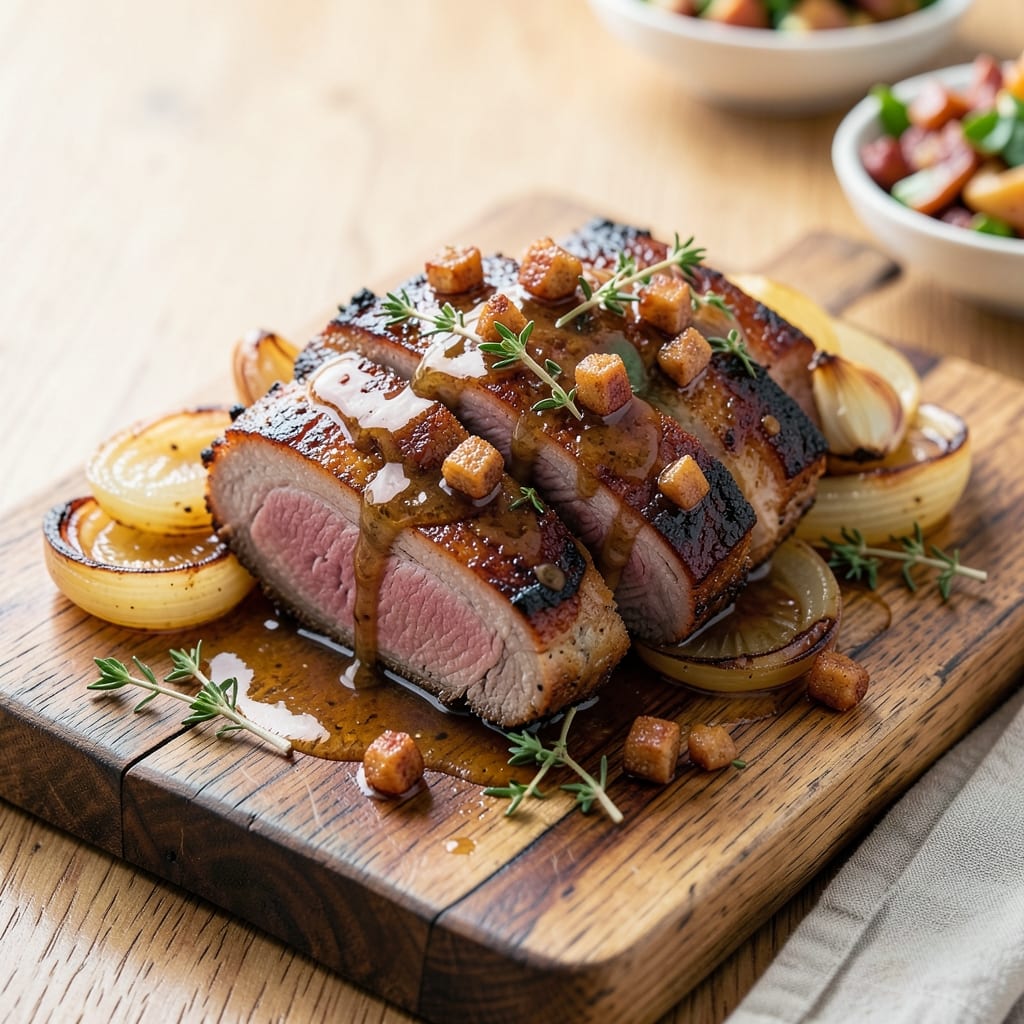
This apple cider pork shoulder recipe transforms tough cuts into melt-in-your-mouth perfection through slow braising. 🔥 I developed it after years of perfecting pork shoulder techniques—where the right balance of apple cider and spices creates a dish that's both comforting and restaurant-worthy. The cider's natural sweetness and acidity tenderize the meat while infusing it with rich, caramelized depth that transforms ordinary pork into something extraordinary.
The secret lies in the slow-cooking process, where the pork shoulder breaks down over hours into tender, juicy slices that practically fall apart at the touch of a fork. This method delivers restaurant-quality results without requiring special equipment—just a Dutch oven and patience. The apple cider isn't just a flavor enhancer; it's the backbone of the dish, creating a sauce that's perfect for serving over the meat or drizzling on the side.
What makes this recipe truly special is its versatility. The tender pork pairs beautifully with classic sides like roasted vegetables, creamy mashed potatoes, or a crisp green salad. The leftovers reheat perfectly, making it ideal for meal prep or feeding a crowd. Whether you're hosting a holiday gathering or simply craving a hearty weeknight meal, this apple cider pork shoulder delivers foolproof satisfaction every time.
I've tested this recipe countless times, adjusting techniques until I achieved the perfect balance of tenderness, flavor, and ease. The result is a dish that feels indulgent yet simple to prepare—exactly what you want when you're spending time with family or treating yourself to a special meal. Let's get started on creating pork shoulder that will impress even the most discerning eaters.
Ingredients for apple cider pork shoulder
Six ingredients transform tough pork into melt-in-your-mouth perfection—no shortcuts needed.
| Ingredient | Amount | Notes |
|---|---|---|
| Pork Shoulder (Bone-In) 🐖 | 5 lb | Well-marbled, 3-4 inches thick |
| Unsalted Butter 🧈 | ½ cup | Cold, cubed for browning |
| Apple Cider (Unfiltered) 🍎 | 2 cups | 100% apple juice, no additives |
| Yellow Onion 🧅 | 1 whole | Large, roughly chopped |
| Garlic Cloves 🧄 | 6 cloves | Peeled, smashed slightly |
| Fresh Thyme 🌿 | ¼ cup | Stems removed, chopped |
| Fresh Rosemary 🌿 | ¼ cup | Needles only, chopped |
| Kosher Salt 🧂 | 1 ½ tbsp | Diamond Crystal preferred |
| Ground Black Pepper 🌶️ | 1 tbsp | Freshly cracked |
| Brown Sugar 🍚 | ½ cup | Packed, light variety |
| Dijon Mustard 🍯 | 1 tbsp | High-quality, no additives |
| Apple Cider Vinegar 🍶 | 1 tbsp | For depth of flavor |
| Fresh Sage Leaves 🌿 | ¼ cup | Chopped, for garnish |
The pork shoulder is your star here. Look for bone-in cuts with good marbling—that fat renders down into flavor. Costco or local butchers usually have the best options, but any grocery store's meat department will work. If you can't find bone-in, bone-out is fine, but plan for an extra 30 minutes of cooking. The apple cider should be unfiltered and 100% apple juice—none of that pre-mixed stuff with preservatives. I always grab mine from Trader Joe's or Whole Foods—their organic ciders have the best balance of sweetness and acidity for this dish. Fresh herbs are non-negotiable—dried just won't cut it for that restaurant-quality depth.
No fresh thyme? Dried works at one-third the amount, but you'll miss that bright aroma. Short on apple cider? Substitute apple juice plus 1 tbsp vinegar—it's not identical, but close. The brown sugar can be swapped for maple syrup if you're avoiding refined sugar, though it'll change the caramelization slightly. For the mustard, Dijon is essential—whole grain mustard won't give you that tangy kick. If you're making this ahead, prep the aromatics (onion, garlic, herbs) in a jar—they'll keep fresh in the fridge for 5 days ready to go when you are.
This dish tastes even better the next day—plan ahead. The pork reheats beautifully in the oven at 300°F until warmed through, about 20 minutes. For storage, wrap tightly in foil and refrigerate for up to 4 days, or freeze portions for 3 months. The sauce reduces even more overnight, so you might want to make extra. I always portion mine into containers with a little sauce on top—lunch sorted for the week. The leftovers keep their tenderness, unlike some pork dishes that turn dry. Trust me, the effort is worth it for that first bite of fork-tender perfection.
Why You'll Love This Recipe
- One-Pan Magic: I swear by this—just toss everything on a sheet pan, walk away, and let the apple cider do the work. The onions caramelize right alongside the pork, and honestly? That’s half the battle won.
- Caramelized Edge: The butter and apple cider create this insane crust on the pork—crispy, sticky, and impossible to resist. Between us, that’s the part everyone fights over at my table.
- Weeknight Hero: This is my go-to when I need something hearty but don’t want to slave over it. Serve it with roasted potatoes or crusty bread, and suddenly, dinner feels like a Sunday supper.
- Budget-Friendly Feast: Pork shoulder stretches for days—leftovers make killer sandwiches or fried rice. Plus, using unfiltered apple cider (not that fancy stuff) keeps it affordable without sacrificing flavor.
Step-by-step instructions for slow-braised apple cider pork shoulder
This method delivers melt-in-your-mouth pork with a caramelized crust and aromatic cider glaze.
🔥 Step 1: Sear the Pork Shoulder for Deep Flavor
Heat a Dutch oven over medium-high heat and add the 0.5 cup unsalted butter. Let it melt completely, then place the 5 lb pork shoulder fat-side down in the pan. Press down gently with a heavy skillet or meat mallet to create even contact—this prevents curling and ensures maximum browning.
Sear for 10-12 minutes until the fat renders out and the exterior develops a deep golden-brown crust. Flip the pork and sear the other side for another 8-10 minutes. The goal is to create a flavorful crust that will form the foundation of your braise. If the butter starts to smoke excessively, reduce heat slightly to medium and let it cook slowly.
🍳 Step 2: Build the Aromatic Base
Remove the pork shoulder and set it aside. In the same Dutch oven, add the 1 whole yellow onion (roughly chopped) and cook for 5 minutes until softened and beginning to caramelize. Add the 6 cloves garlic cloves (smashed slightly) and cook for another 1 minute until fragrant—this step develops the fundamental flavors that will infuse the pork.
Stir in the 0.25 cup fresh thyme, 0.25 cup fresh rosemary, 1.5 tbsp kosher salt, and 1 tbsp ground black pepper. Let these aromatics toast for 30 seconds until the rosemary needles darken slightly and release their piney aroma. This quick toasting enhances their flavor without burning them.
🥘 Step 3: Deglaze and Combine All Ingredients
Pour in the 2 cups apple cider (unfiltered) and scrape up all the browned bits from the bottom of the pan—these contain concentrated flavor. Add the 0.5 cup brown sugar, 1 tbsp Dijon mustard, and 1 tbsp apple cider vinegar. Stir well to combine, then return the pork shoulder to the Dutch oven, fat-side up.
Bring the mixture to a gentle simmer over medium heat, then reduce heat to low. Cover the Dutch oven with a tight-fitting lid and transfer to a 300°F oven. The liquid should come up about halfway up the pork shoulder—if it's too shallow, add a splash of water or broth to help create steam for even cooking.
⏰ Step 4: Braise Until Fork-Tender
Braise the pork shoulder for 4-5 hours, checking periodically to ensure there's always some liquid in the pan. Every 45 minutes, spoon some of the braising liquid over the pork to keep it moist. You'll know it's nearly done when the meat easily pulls apart with two forks and the internal temperature reaches 195-203°F.
Here's the thing—pork shoulder benefits from the "resting phase" after cooking. Once it reaches the proper temperature, transfer it to a cutting board and tent loosely with foil. Let it rest for at least 30 minutes (up to 1 hour if possible). This allows the juices to redistribute, resulting in incredibly tender, moist meat.
🍽️ Step 5: Garnish and Serve
When ready to serve, skim off any excess fat from the surface of the braising liquid. Return the pork to the Dutch oven and warm through for 5 minutes on low heat. Spoon some of the flavorful juices over the top, then garnish with the 0.25 cup fresh sage leaves (chopped) for a pop of color and fresh aroma.
Slice the pork shoulder against the grain into ¼-inch thick slices for maximum tenderness. Serve with the braising liquid reduced by half (simmer uncovered for 10-15 minutes) for a rich, caramelized sauce. This dish pairs beautifully with roasted root vegetables or crusty bread to soak up every last drop of that delicious cider glaze.
Pro Tips For Making Apple Cider Pork Shoulder
- SEAR THE PORK FIRST: I learned this the hard way—skipping the initial sear means flavor gets lost in the sauce. Get that pork shoulder screaming hot in a dry skillet for 5-6 minutes per side until it’s deep golden, then pull it out and let it rest while you build the base. That crust is non-negotiable for pulling apart later.
- USE UNFILTERED CIDER ONLY: Filtered apple cider tastes clean but lacks depth. Unfiltered has sediment that adds body and a subtle tartness—exactly what you want clinging to the pork. Strain it later if you’re squeamish, but don’t skip this step; it’s the difference between good and great.
- DON’T RUSH THE LOW TEMP: Pork shoulder needs patience—slow equals tender. After the initial sear and braising liquid, drop the heat to 275°F (135°C) and let it cook uncovered for 4-5 hours. Yes, it’ll look dry, but that’s how it becomes melt-in-your-mouth. Covering too early traps steam and turns it tough.
- SAVE TIME WITH ONION GARLIC PASTE: Dice onions and mince garlic? Too slow. Blend them into a paste with a splash of apple cider and cook it down first. It caramelizes faster and sticks to the pork like glue—no more burnt bits or uneven flavor. Just 2 minutes in the pot, and you’re golden.
Storing and reheating this dish
Refrigerator Storage
Let your apple cider pork shoulder cool completely before storing—about 2 hours at room temperature. Transfer it to an airtight container with the braising liquid, leaving about ½ inch headspace for expansion. I swear by Glasslock containers for this because they keep everything sealed tight. Store in the fridge for up to 4 days, but honestly? It tastes even better the next day as the flavors meld together. The sauce thickens slightly overnight, making it perfect for reheating. ❄️
Freezer Prep Tips
For longer storage, portion the pork into quart-sized freezer bags with ½ cup sauce per serving. Squeeze out excess air and seal tightly—this prevents freezer burn and keeps the meat tender. Label with the date and freeze for up to 3 months. When ready to eat, thaw overnight in the fridge, then reheat gently. I always freeze extra portions because this dish is that good. 🥶
Oven Reheating
The best way to reheat is in a 300°F oven for 20-25 minutes covered with foil. This gentle heat keeps the meat moist and the sauce rich. Add a splash of water or apple cider if it looks dry. I like to reheat the pork and sauce together so every bite gets that caramelized glaze. For extra crispiness, broil for 2 minutes at the end. 🔥
Slow Cooker Method
If you're short on time, transfer the pork and sauce to a slow cooker on low heat for 3-4 hours. Stir occasionally and add a splash of water if needed. This method works well for leftovers but won't give you that perfect caramelized crust. Still, it's a lifesaver for busy weeknights. Just don't skip the resting time—10 minutes minimum before serving. ⏰
Microwave Shortcut
For a quick fix, place pork and sauce in a microwave-safe dish with a splash of water. Cover with a damp paper towel and heat on 50% power for 3-4 minutes, stirring halfway. This keeps the meat from drying out. It won't be as perfect as oven reheating, but it's better than takeout. I only use this when I'm in a real hurry. 🍽️
Sauce Perfection
If the sauce seems too thin after reheating, simmer it uncovered for 5-10 minutes on the stovetop. For extra richness, whisk in 1 tbsp cold butter at the end. This dish reheats beautifully, so don't hesitate to make extra—it's perfect for sandwiches or tacos later in the week. The key is patience and gentle heat. 💫
Nutrition facts
Frequently asked questions
Can I use apple juice instead of apple cider in this recipe?
You can substitute apple juice, but the flavor will be less complex. Apple cider contains natural spices and sediment that add depth. For best results, use unfiltered apple juice and add 1 tbsp apple cider vinegar to mimic the acidity and richness of cider. The texture will be slightly thinner without the cider's natural body.
How do I know when the pork shoulder is fully cooked?
Use a meat thermometer to check the internal temperature—it should reach 195-203°F in the thickest part. The meat will also pull apart easily with two forks. Pro tip: If you don't have a thermometer, cut into the center—juices should run clear, not pink. Let it rest for 30 minutes before slicing for maximum tenderness.
Can I make this recipe in a slow cooker instead of the oven?
Brown the pork first, then transfer everything to a slow cooker on low for 8-10 hours. The texture will be slightly different (more saucy, less caramelized), but still delicious. For best results, use a splash of apple cider to deglaze after browning. The slow cooker method is perfect for busy weeknights when you can't monitor oven temperatures.
What's the best way to use leftovers?
This dish reheats beautifully! Store in an airtight container for up to 4 days. Reheat in a 300°F oven for 20 minutes covered with foil, or use in sandwiches, tacos, or pasta dishes. The sauce thickens when reheated, making it perfect for drizzling over roasted veggies or mashed potatoes. For extra crispiness, broil for 2 minutes at the end.
Why does my pork shoulder turn out dry?
Overcooking or skipping the resting time are the most common causes. Always let the pork rest for 30-60 minutes after cooking to redistribute juices. If it's still dry, try reheating with a splash of apple cider or broth. For future attempts, use a meat thermometer to avoid overcooking—195-203°F is perfect. Bone-in cuts stay moister than boneless.