
Main Courses
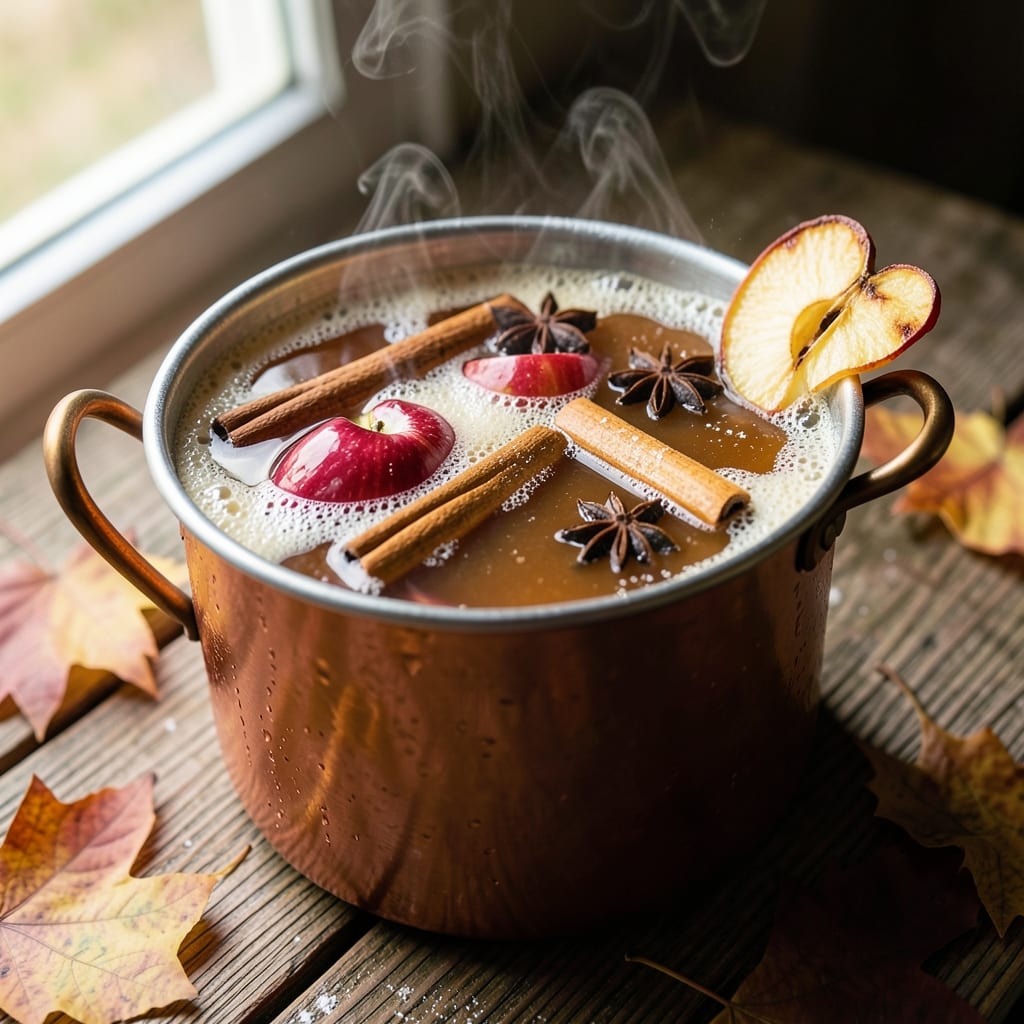
This apple cider recipe using apples transforms ordinary fruit into liquid gold with a spiced simmer that captures autumn's essence. 🍂 The process begins with carefully selected apples—sweet and tart varieties combined—to create a balanced, aromatic base. As the mixture simmers, the natural sugars caramelize, releasing rich flavors that deepen with each passing minute. The magic happens in the slow reduction, where spices like cinnamon and cloves infuse the liquid with warm, comforting notes. This isn't just a drink; it's a versatile foundation for both warm sipping and creative applications, from glazes to cocktails. The result is a deep amber cider with layers of complexity that store-bought versions simply can't match. What makes this recipe special is its adaptability—serve it warm with a cinnamon stick for cozy gatherings or chill it for a refreshing summer treat. The slow simmering process ensures a smooth, clarified finish that's perfect for sipping or using in recipes. Every batch yields a rich, aromatic cider that tastes like harvest season in a glass. With proper storage, this homemade cider keeps beautifully for weeks, making it an excellent project for fall festivities. Whether you're sipping it straight or incorporating it into dishes, the flavor will elevate any occasion. Let's get started on creating your own batch of this timeless classic.
Ingredients for apple cider recipe using apples
Six pounds of apples and twelve aromatic spices transform into rich, amber cider perfect for sipping or cooking.
| Ingredient | Amount | Notes |
|---|---|---|
| Apples (Sweet and Tart Varieties) 🍎 | 4 lb | Peeled, cored, quartered (Fuji and Granny Smith ideal) |
| Water 💧 | 4 cups | Filtered preferred for clarity |
| Granulated Sugar 🍚 | 1 ½ cups | Light brown sugar for depth |
| Cinnamon Sticks 🌿 | 4 whole | Ceylon preferred for subtle flavor |
| Whole Cloves 🌶️ | 8 whole | Lightly crushed for aroma |
| Star Anise 🌟 | 2 whole | Optional, adds complexity |
| Orange Peel (Organic) 🍊 | 1 tbsp | Finely grated, no pith |
| Lemon Juice 🍋 | 2 tbsp | Freshly squeezed |
| Vanilla Bean 🌸 | 1 whole | Split lengthwise for seeds |
| Salt 🧂 | ½ tsp | Diamond Crystal preferred |
| Apple Cider Vinegar 🍶 | 1 tbsp | For acidity balance |
| Honey (Optional) 🍯 | 2 tbsp | For sweetness adjustment |
The apple selection is critical—Fuji and Granny Smith create the perfect sweet-tart balance. Local orchards or specialty grocers often carry ideal varieties like Cortland or Braeburn. Avoid overly soft or bruised apples. For maximum flavor, peel and core the apples immediately before simmering. Organic apples are preferred to minimize wax residue, which can cloud the finished cider. If using conventional apples, give them a thorough rinse and scrub. The cinnamon and cloves should be food-grade quality, preferably from Penzeys Spices or bulk bins at Whole Foods—these spices deliver the most complex aroma profiles.
No Ceylon cinnamon? Regular cassia cinnamon works fine, though it's slightly stronger. Star anise can be omitted if unavailable, but it adds a subtle licorice note that complements the apple beautifully. The orange peel should be organic and washed thoroughly—conventional peels may contain wax or pesticides. For a quicker option, use bottled orange juice concentrate (thawed) at half the amount, though fresh is superior. The vanilla bean adds depth that's hard to replicate with extract—if you must substitute, use high-quality pure vanilla extract at one-fourth the amount. The apple cider vinegar balances sweetness and preserves freshness; if unavailable, lemon juice works in a pinch but may alter the flavor profile slightly.
This cider develops richer flavors with time—3-5 days in the refrigerator allows the spices to fully infuse. For long-term storage, transfer to sterilized glass bottles or jars and refrigerate for up to 3 weeks. Freeze for up to 6 months by leaving headspace in containers. The cider can be strained and reduced further for a thicker consistency, ideal for glazes or sauces. Always store with the cinnamon sticks and spices included for continued flavor infusion. For serving, reheat gently on the stove or chill for a refreshing beverage—either way, the aromatic complexity shines.
Why You'll Love This Recipe
- I’ll be real: you don’t need fancy tools or hours of prep. Just toss peeled apples, water, cinnamon sticks, and cloves into a pot, bring it to a boil, then let it bubble for 20 minutes. That’s it—no peeling stress, no measuring headaches.
- No-Fuss Simmer: I’ll be real: you don’t need fancy tools or hours of prep. Just toss peeled apples, water, cinnamon sticks, and cloves into a pot, bring it to a boil, then let it bubble for 20 minutes. That’s it—no peeling stress, no measuring headaches.
- Warm Spice Magic: The moment those cloves and cinnamon sticks steep into the cider, you’ll taste why this isn’t just apple juice. It’s like autumn in a mug—sweet, tart, and wrapped in cozy warmth that hits different from store-bought versions.
- Crowd-Pleaser Anywhere: Serve it hot at a backyard BBQ, pour it cold over ice for a picnic, or let the kids sip it at their birthday party. The same simple recipe works for brunch, game day, or just because you’re feeling generous with your pantry staples.
Step-by-step instructions for crafting homemade apple cider
Transform fresh apples into rich, aromatic cider with this precise spiced simmer method.
🍳 Step 1: Prepare the Apple Base
In a large, heavy-bottomed pot, combine the 4 lb Apples (Sweet and Tart Varieties) with the 4 cups Water. The apples should be peeled, cored, and quartered—this ensures even cooking and prevents bitterness from the skins. Bring the mixture to a boil over medium-high heat, then immediately reduce to a gentle simmer for 30 minutes. You'll notice the apples soften and begin breaking down into a chunky purée.
This initial simmer extracts the natural sweetness and releases pectin from the apples, which will later contribute to the cider's natural thickening. Stir occasionally to prevent sticking, and watch for the liquid to reduce slightly and develop a deep golden hue. The aroma should become noticeably apple-forward with subtle sweetness.
👨🍳 Step 2: Add Spices and Sweetener
After the initial simmer, add the 1.5 cups Granulated Sugar, 4 whole Cinnamon Sticks, 8 whole Whole Cloves, 2 whole Star Anise, and 1 tbsp Orange Peel (Organic). Stir gently to distribute the spices evenly throughout the mixture. The sugar will begin to dissolve, and the spices will infuse their aromatic oils into the liquid. Simmer for another 20 minutes—this allows the spices to fully steep and develop their flavors.
Here's the thing—don't rush this step. The spices need time to release their essential oils, which will create that warm, complex aroma. You'll know it's working when the kitchen fills with a rich, spiced apple scent. The mixture should reduce slightly, becoming more concentrated and syrupy in texture.
🥘 Step 3: Incorporate Acid and Vanilla
After the spices have steeped, stir in the 2 tbsp Lemon Juice, 1 whole Vanilla Bean (split lengthwise and scraped), and 0.5 tsp Salt. The lemon juice brightens the flavor and balances the sweetness, while the vanilla adds depth and warmth. Simmer for an additional 10 minutes to allow these ingredients to meld with the apple base. The vanilla seeds will release their signature floral notes, and the lemon will enhance the overall brightness.
Taste the mixture at this stage—it should be sweet, aromatic, and well-balanced. If you prefer a slightly deeper sweetness, now's the time to add the 2 tbsp Honey (Optional). Stir well to incorporate, then simmer for another 5 minutes to blend the honey completely. The cider should now have a rich, velvety texture with a perfect balance of sweet, tart, and spiced notes.
⏰ Step 4: Finish with Vinegar and Strain
Remove the pot from heat and stir in the 1 tbsp Apple Cider Vinegar. This final addition enhances the cider's complexity and helps preserve its freshness. Let the mixture sit off the heat for 5 minutes to allow the flavors to fully integrate. The vinegar will add a subtle tang that rounds out the sweetness and spices.
Line a fine-mesh strainer with cheesecloth or a clean kitchen towel and strain the cider into a large bowl or pitcher. Press gently on the solids to extract as much liquid as possible—this ensures you capture all the flavorful juice. Discard the spice solids and apple pulp. Your homemade apple cider is now ready to enjoy immediately or store for later use.
Pro Tips For Making Apple Cider Recipe Using Apples
- Peel Apples First: I learned this the hard way—peeling before chopping saves you from scrubbing sticky apple pulp off your cutting board later. Use a vegetable peeler for speed, and skip the seeds (they’re bitter and ruin the flavor).
- Simmer Low and Slow: Crank the heat to boil first, then drop it to a gentle simmer—around 180°F (82°C)—or you’ll end up with a thin, overly sweet syrup. A steady simmer for 45-60 minutes extracts the best flavor without burning.
- Balance Sugar Early: Taste the cider before adding all the sugar. Start with half the recipe’s amount, simmer, then adjust—you can always add more, but you can’t take it out. Sweet and tart apples need different sugar amounts; taste as you go.
- Strain Twice for Clarity: Use a fine-mesh sieve for the first strain, then a cheesecloth for the second pass—this catches the last of the pulp and makes your cider smoother. (Yes, it’s extra work, but the difference is noticeable.)
Flavor customization for this recipe
Spice Variations
Swap the classic cinnamon and cloves for warm Mexican flavors by adding 2 tsp ground cumin and 1 tsp smoked paprika—this creates a bold, earthy profile perfect for sipping with spicy foods. For a holiday twist, infuse with ½ tsp ground nutmeg and 1 tsp allspice for a deeper, almost "mulled wine" complexity. I love using Penzeys Spices for these blends—their pre-ground spices are consistent and potent. 🌶️
Fruit Infusions
Brighten your cider with pear slices (add 2 ripe pears during simmering) for a floral, honeyed note. For a tropical vibe, stir in 1 tbsp grated ginger and 1 tbsp lime zest—this works surprisingly well with the apple base. If you prefer citrus-forward, add 1 tbsp grated lemon peel (in addition to the juice) for a zesty kick. The key is balancing the new flavors with the existing spices.
Herbal Enhancements
Add 2 sprigs of fresh rosemary while simmering for a piney, herbal depth that pairs beautifully with roasted meats. For a cooler, minty twist, steep 3-4 fresh mint leaves (remove before straining) to complement summer sipping. I’ve also experimented with thyme—use 1 tsp fresh thyme leaves for an earthy, slightly medicinal note that works well in savory dishes. Always add herbs late in the simmer to preserve their delicate flavors.
Sweetness Adjustments
Reduce the sugar to 1 cup if using very sweet apples like Gala or Honeycrisp, then compensate with 1 tbsp maple syrup for a caramel-like richness. For a less sweet option, omit the honey entirely and balance with an extra 1 tbsp lemon juice—this sharpens the apple’s natural tartness. If your cider tastes flat, a splash of 1 tsp vanilla extract (instead of the bean) adds sweetness without overpowering. Taste as you go—flavor evolves with simmering!
Smoky Depth
For a campfire-inspired cider, simmer 1 chip of smoked salt (like Maldon) or add ½ tsp liquid smoke at the end—just a whisper enhances the apple’s natural sweetness. Char 1 cinnamon stick lightly over a gas flame before adding for a subtle smokiness. This works especially well with tart apples like Granny Smith. Pair with smoked gouda or crispy bacon for a cozy contrast. 🔥
Seasonal Adaptations
In summer, lighten the cider by reducing spices to 2 cinnamon sticks and 4 cloves, then add 1 tbsp elderflower syrup for a floral, refreshing twist. For winter, boost warmth with ½ tsp ground cardamom and 1 star anise pod—these spices add complexity that stands up to chilly weather. I also like adding 1 tsp bourbon (per 4 cups cider) when serving warm for a spiked holiday version. Adjust sweetness based on the season’s apple harvest!
Nutrition facts
Frequently asked questions
Can I use frozen apples instead of fresh?
Frozen apples work in a pinch, but fresh is ideal for the best texture and flavor. Thaw them completely first, then drain excess liquid to avoid diluting your cider. For maximum quality, use organic frozen apples without added sugars or preservatives. The flavor won't be quite as vibrant as fresh, but it's better than skipping the recipe entirely!
How do I adjust the sweetness if my apples are extra tart?
Start with the full 1.5 cups sugar and taste after simmering. For tart apples like Granny Smith, you can add up to ½ cup extra honey or maple syrup at the end. If you prefer less sweetness, reduce sugar to 1 cup and enhance tartness with an extra 1 tbsp lemon juice. Always taste as you go—flavor evolves during simmering!
Can I make this cider without alcohol?
This recipe is naturally non-alcoholic unless you add spirits like bourbon. For a fermented version, you'd need to add yeast and let it sit for 1-2 weeks—but that's a different process. The spiced simmer method here creates a delicious, alcohol-free beverage perfect for all ages. The apple cider vinegar adds subtle tang without alcohol.
What's the best way to store homemade apple cider?
Store in sterilized glass bottles or jars in the fridge for up to 3 weeks. For longer storage, freeze for up to 6 months (leave 1-inch headspace to prevent expansion). Keep the cinnamon sticks in the bottles—they continue infusing flavor. When ready to use, thaw in the fridge overnight. The cider's flavor actually improves with time as spices steep!
Can I use this cider in cooking instead of drinking?
Yes! This cider is perfect for glazes, sauces, and braising liquids. Reduce it by half on the stove to make a thick apple syrup for roasted meats or desserts. Use it to deglaze pans after cooking pork or chicken—it adds incredible depth. For baking, substitute equal amounts for water in recipes like muffins or quick breads. The spices add wonderful warmth to savory dishes too!