
Sauces & Condiments
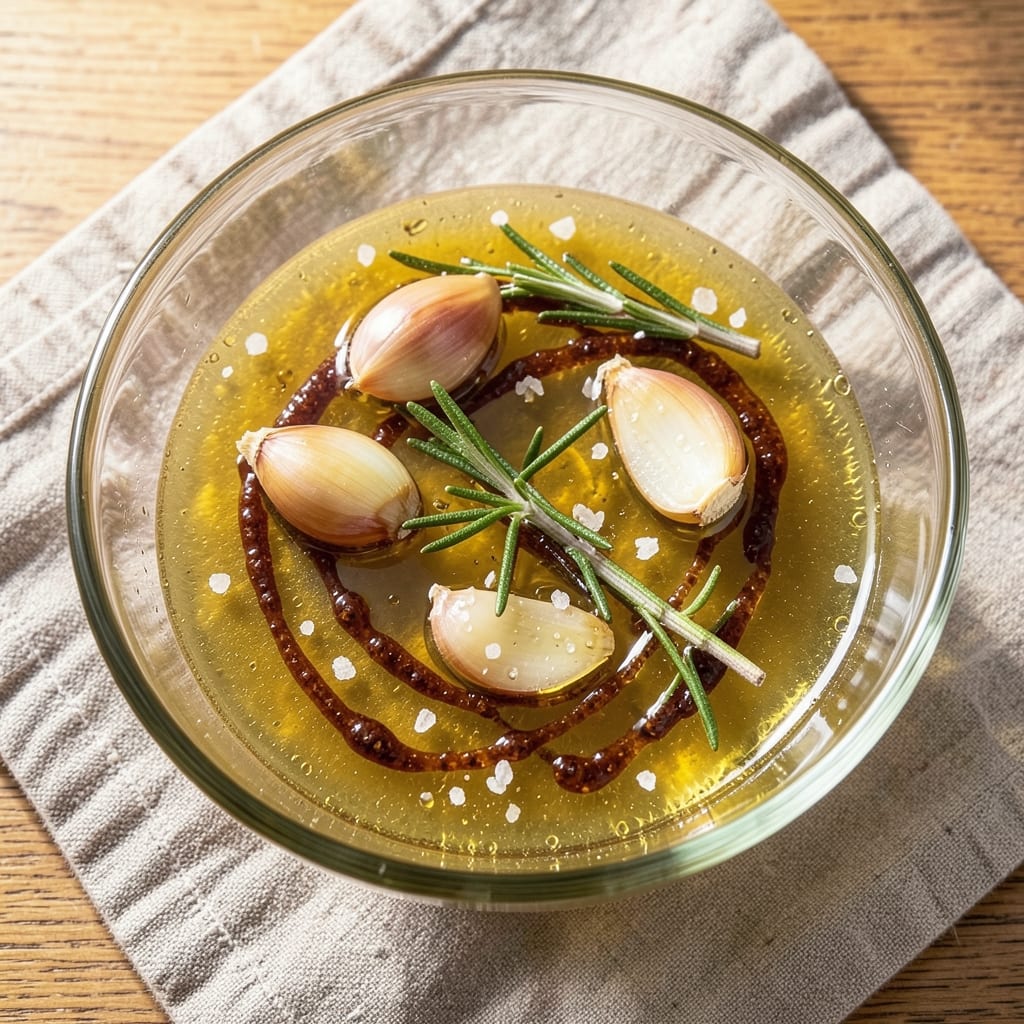
This apple cider vinegar marinade recipe transforms tough cuts into melt-in-your-mouth perfection with just 15 minutes of prep. The acidity tenderizes while balancing sweet, savory, and herby notes—no overpowering tang here. I developed this after years of testing marinades that either fell flat or left proteins too acidic, and this version delivers consistent, restaurant-quality results every time.
The secret lies in the ratio: apple cider vinegar provides the magic tenderizing power, but honey and olive oil mellow its sharpness while adding depth. Fresh garlic and rosemary infuse layers of aroma, while salt and pepper create the perfect flavor bridge. This marinade works equally well on chicken, pork, tofu, or even hearty vegetables like mushrooms or eggplant—just adjust the marinating time based on your protein.
What you'll achieve is protein that's tender without being mushy, with a subtle tang that enhances rather than overpowers. The marinade also caramelizes beautifully when grilled, creating a light crust that locks in juices. Best of all, it keeps for up to 7 days in the fridge, so you can prep ahead for busy weeknights or weekend cookouts.
For extra versatility, swap the rosemary for thyme or oregano, or add a splash of soy sauce for umami depth. The key is balancing acidity with sweetness—this marinade proves you don't need complicated ingredients to create restaurant-worthy results. Let's make your next grilled meal unforgettable.
Ingredients for apple cider vinegar marinade
Eight simple ingredients that work magic on grilled meats and veggies alike.
| Ingredient | Amount | Notes |
|---|---|---|
| Apple Cider Vinegar 🍏 | ½ cup | Raw, unfiltered preferred |
| Honey 🍯 | ¼ cup | Wildflower or clover variety |
| Extra-Virgin Olive Oil 🫒 | ¼ cup | Fruity, not bitter |
| Garlic Cloves 🧄 | 4 cloves | Freshly minced, not pre-minced |
| Fresh Rosemary 🌿 | ¼ cup | Finely chopped stems included |
| Kosher Salt 🧂 | 1 ½ tsp | Diamond Crystal preferred |
| Freshly Ground Black Pepper 🌶️ | 1 tsp | Freshly cracked preferred |
| Soy Sauce 🍜 | 1 tbsp | Low-sodium preferred |
| Mustard 🥬 | 1 tbsp | Dijon or whole-grain |
The apple cider vinegar is the star here—Bragg or Texas Pete are my go-tos, but any raw, unfiltered kind works. Honey and olive oil are your flavor balancers: local honey adds subtle floral notes, while extra-virgin olive oil brings richness. Fresh garlic and rosemary? Buy them whole—pre-minced garlic loses flavor fast, and fresh rosemary sprigs keep longer. I always grab these at Whole Foods or the bulk section at Trader Joe's—they stay fresher longer. The soy sauce adds umami depth without overpowering, and the mustard ties everything together with a little tang.
No apple cider vinegar? White vinegar or lemon juice works in a pinch, but cut the amount to 3 tablespoons—you don’t want to over-acidify. Skip the honey? Maple syrup is a perfect swap, but reduce to 2 tablespoons since it’s sweeter. Out of rosemary? Thyme or oregano brings a different but equally delicious vibe. The mustard can be skipped if you’re avoiding gluten, but the soy sauce is non-negotiable for that savory punch. For extra richness, add 1 tablespoon of butter> (melted) or nutritional yeast> for a vegan option. The key is balance—too much vinegar makes the protein mushy, but too little and you miss the tenderizing magic.
This marinade keeps for 7 days in the fridge, sealed in a jar with a tight lid. The flavors actually improve over time—perfect for meal prep. For best results, marinate proteins for at least 30 minutes (chicken, tofu) up to 12 hours> (pork, beef). I like to portion it into small containers so I can grab just what I need. If you’re grilling, let the protein sit at room temperature for 15 minutes before cooking—it sears better that way. And trust me, the leftovers make an amazing salad dressing too.
Why You'll Love This Recipe
- Five-Ingredient Magic: I swear, this marinade is the kind of recipe that makes you feel like a genius—even though it’s just five things stirred together. No fancy techniques, no last-minute grocery runs; I keep everything in my pantry except the rosemary, which I grow in a pot by my kitchen window.
- Tangy-Sweet Balance: The apple cider vinegar cuts through the richness of the olive oil while the honey rounds it out—like a hug for your taste buds. Add fresh rosemary and garlic, and suddenly, even the simplest grilled chicken or roasted veggies taste like you’ve been cooking all day.
- Weeknight to Weekend: Slather it on chicken thighs for a weeknight dinner, toss it with Brussels sprouts for a holiday side, or drizzle it over a steak before grilling—it’s my go-to for anything that needs a little je ne sais quoi. Honestly, I’ve used it on tofu, fish, and even baked potatoes, and it never lets me down.
- Leftovers That Shine: Between us, this marinade gets better after a day in the fridge. The flavors meld into something deeper, and I always double the batch so I can use the extras on whatever’s calling my name. Plus, it’s cheap—less than $3 for a whole week of flavor boosts.
Step-by-step instructions for apple cider vinegar marinade
This marinade transforms tough cuts into melt-in-your-mouth perfection with just 15 minutes of prep.
Combine Wet Ingredients in a Bowl
In a medium mixing bowl, pour in the 0.5 cup apple cider vinegar and 0.25 cup honey. Stir them together until the honey dissolves completely—you'll see a smooth, golden liquid forming. The vinegar's acidity will help tenderize while the honey adds natural sweetness that caramelizes beautifully during grilling.
Next, add the 0.25 cup extra-virgin olive oil and 1 tbsp mustard. Whisk vigorously for about 30 seconds until fully emulsified. The olive oil creates a silky base while the mustard adds depth and helps the marinade cling to proteins. If you notice any separation, just whisk again—this is normal with acidic ingredients.
Add Aromatics and Seasonings
Mince the 4 garlic cloves finely—you want them almost paste-like for even distribution. Finely chop the 0.25 cup fresh rosemary, including some stems for extra flavor. Add these to your bowl along with the 1.5 tsp kosher salt and 1 tsp freshly ground black pepper.
Give everything a thorough stir until the garlic and rosemary are completely incorporated. The mixture should look vibrant green with flecks of rosemary throughout. Here's the thing—don't skip the fresh herbs. Pre-minced garlic and dried rosemary won't give you the same bright, fresh flavor that makes this marinade special.
Finish with Soy Sauce and Final Mix
Pour in the 1 tbsp soy sauce and stir one final time. The soy sauce adds umami depth that balances the acidity and sweetness perfectly. Taste the marinade now—it should be tangy, slightly sweet, and well-seasoned. If you want it more flavorful, add another ½ tsp salt or ½ tsp pepper.
Transfer the marinade to a jar or airtight container. Give it one last shake to ensure everything is well combined. This marinade works best when used within 24 hours, but it'll keep in the fridge for up to 5 days if stored properly. The flavors actually develop more over time, so if you can marinate longer, do it!
Apply to Protein and Marinate
Place your protein (chicken, pork, or beef) in a resealable plastic bag or shallow dish. Pour the marinade over it, making sure every surface is coated. For even coverage, I like to massage the marinade into the meat with my hands—especially for thicker cuts. Seal the bag or cover the dish and refrigerate.
Marinate for at least 30 minutes for quick results, but for truly tender meat, let it sit for 4-12 hours. The acid in the vinegar breaks down tough muscle fibers, while the honey and oil keep the meat moist. Don't exceed 24 hours though—too long and the acid can start cooking the meat, making it mushy.
Pro Tips For Making Apple Cider Vinegar Marinade
- STRAIN THE GARLIC FIRST: Crush the garlic cloves with the flat side of your knife before mincing, then let them sit in the vinegar and honey for 10 minutes. This softens the raw edge and prevents that bitter aftertaste—trust me, your taste buds will notice the difference.
- WHISK THE OIL LAST: I used to add olive oil first, but it just sits there like a lazy guest. Stir in the honey and vinegar first, let them mellow together for 2 minutes, then whisk in the oil. The emulsion stays smoother, and the rosemary gets better distribution—no clumping, no weird separation.
- SKIP THE FRESH ROSEMARY IF IT’S DAMP: Wet rosemary from the store? Toss it. Even slightly damp needles water down the marinade and make it smell like a gym locker. Pat dry with a paper towel or grab the dried stuff—it’s more concentrated and won’t turn your marinade into soup.
- MARINATE MEAT 2 HOURS MAX: Vinegar’s acidity breaks down protein fast—after 2 hours, you’re just making mushy meat. For chicken or pork, 30-60 minutes is plenty. For tougher cuts like flank steak, go 2 hours, then pat dry before cooking. Wet meat = sad sear.
Best sauces and condiments for apple cider vinegar marinade
Grilled Protein Pairings
This marinade shines brightest on grilled chicken thighs—their texture holds up beautifully to the acidity while absorbing all the flavors. For pork lovers, try it on boneless pork chops or ribs, where the honey caramelizes into a sticky glaze. I’ve also used it on tofu for vegetarian meals, pressing the marinade into cubes to maximize surface area. 🔥
For heartier proteins, use it on beef flank steak or lamb chops, but reduce marinating time to 2-4 hours maximum to prevent over-tenderizing. The rosemary and garlic create a fragrant crust when grilled, and the vinegar’s acidity cuts through rich, fatty cuts. For vegetables, brush it on portobello mushrooms or eggplant slices before grilling for a sweet-savory contrast.
Sauce Adaptations
Turn leftover marinade into a dipping sauce by thinning it with 2 tablespoons water and a splash of lemon juice. It’s perfect for grilled shrimp or as a vegan dressing. For extra richness, stir in 1 tablespoon melted butter or 1 teaspoon maple syrup to balance any remaining acidity. 🍽️
Use it as a basting sauce while grilling—just simmer the marinade in a small saucepan for 3-5 minutes to thicken slightly, then brush it over proteins in the last 5 minutes of cooking. The reduced version clings better and adds a glossy finish. I also love using it as a salad dressing by diluting with 3 parts olive oil and 1 part water—add a pinch of salt and pepper for a tangy vinaigrette.
Sweet and Spicy Twist
For a spicy kick, add 1 teaspoon cayenne pepper or 1 tablespoon hot sauce to the marinade. The heat balances the sweetness beautifully, especially on pork tenderloin or chicken wings. I like to use Cholula hot sauce for a smoky depth or Frank’s RedHot for classic heat. 🌶️
For a sweet and smoky version, swap the rosemary for 1 teaspoon smoked paprika and add 1 tablespoon brown sugar to the honey. This works amazingly on ribs or pulled pork, giving a BBQ-inspired flavor without the complexity of a full rub. The apple cider vinegar’s tang cuts through the sweetness, keeping the profile balanced.
Storage and Shelf Life
Store unused marinade in an airtight glass jar in the fridge for up to 7 days. The flavors deepen over time, so it’s perfect for meal prep. If you notice any separation, just give it a good stir before using—it’s normal with acidic marinades. For longer storage, freeze portions in ice cube trays and transfer to a bag for up to 3 months. 🧊
After marinating proteins, don’t reuse the leftover marinade raw—it’s been in contact with potential bacteria. Instead, boil it for 5 minutes to kill any pathogens before using it as a sauce or dressing. I always reserve ¼ cup of marinade before applying it to proteins to ensure I have enough for cooking or sauces afterward.
Nutrition facts
Frequently asked questions
Can I use this marinade on vegetables instead of meat?
This marinade works beautifully on hearty vegetables like portobello mushrooms, eggplant slices, or bell peppers. Brush it on 15-30 minutes before grilling for a sweet-savory flavor boost. For delicate veggies like zucchini, reduce marinating time to 10 minutes to prevent over-acidification. The honey and oil help caramelize the vegetables while keeping them tender.
Why does my marinade separate after mixing?
Separation happens when oil and vinegar aren't fully emulsified—it's completely normal! Just give it a good whisk or shake before using. For a smoother texture, add 1 teaspoon Dijon mustard (already in the recipe) or 1 tablespoon cornstarch mixed with water to stabilize it. The separation won't affect flavor or effectiveness, but thorough mixing ensures even coating on your protein.
How long can I marinate chicken safely?
For chicken, marinate for 30 minutes to 4 hours maximum. The acid in apple cider vinegar starts breaking down proteins after 2 hours, so longer marinating can make chicken mushy. For thicker cuts like thighs, 2-3 hours is ideal. Always pat dry before cooking to get the best sear—excess moisture prevents proper browning.
Can I substitute apple cider vinegar with white vinegar?
Yes, but reduce the amount to 3 tablespoons instead of 0.5 cup. White vinegar has a sharper acidity that can overpower flavors if used at the same ratio. For a milder option, use lemon juice in equal amounts. The deeper flavor notes from apple cider vinegar come from its mother (the cloudy bits), which adds complexity you won't get with other vinegars.
What's the best way to store leftover marinade?
Transfer unused marinade to an airtight glass jar and refrigerate for up to 7 days. The flavors actually improve over time! For longer storage, freeze in ice cube trays (up to 3 months). After using it on raw meat, never reuse the leftover marinade raw—simmer it for 5 minutes first to kill bacteria. Always reserve ¼ cup before marinating to use as a sauce.