
Beverages
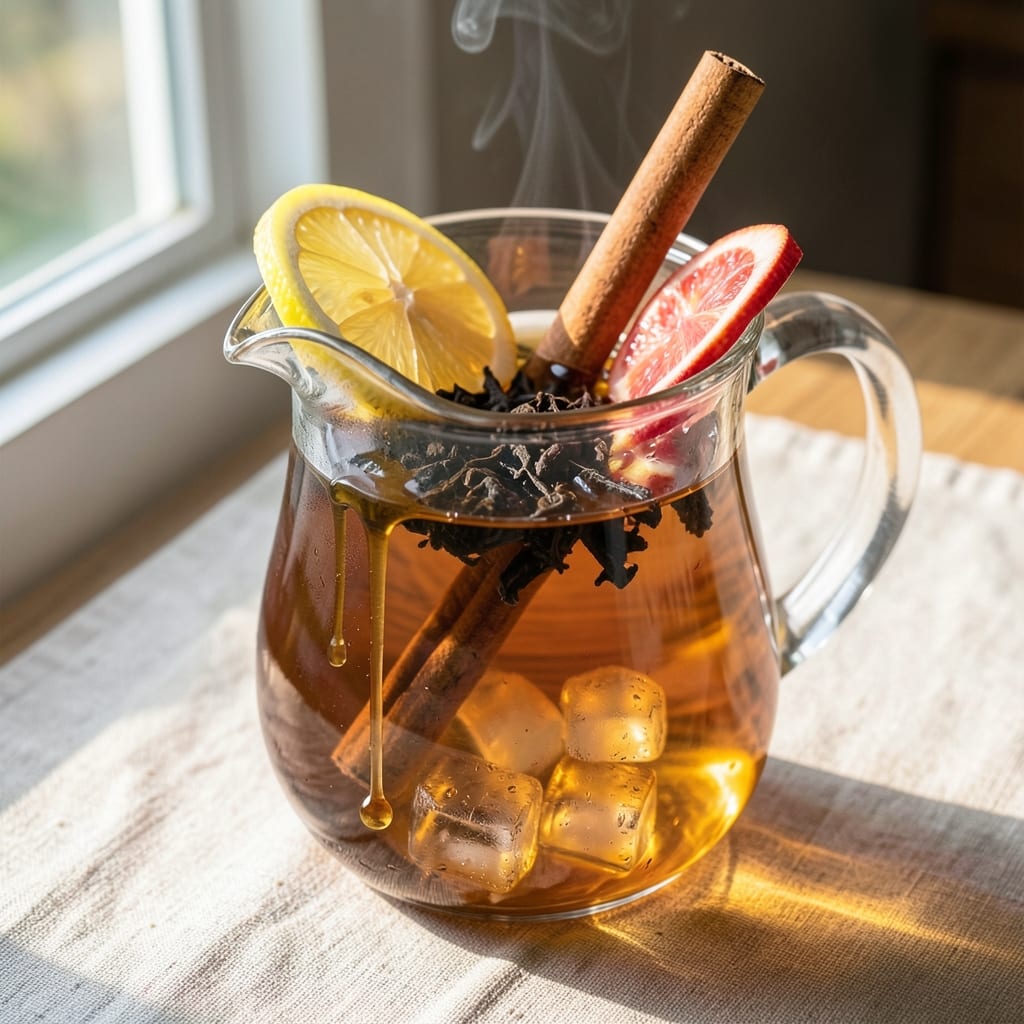
This apple cider vinegar and honey tea recipe delivers instant gut-soothing warmth with just five minutes of prep—no fancy equipment needed. The tangy sharpness of apple cider vinegar balances honey’s sweetness, creating a drink that’s both refreshing and deeply nourishing. I first discovered this combination during a busy workweek when I needed something quick that would settle my stomach while keeping me energized.
The beauty of this tea lies in its simplicity: hot or cold, it adapts to any moment. Apple cider vinegar provides probiotic support and aids digestion, while raw honey adds natural sweetness and antimicrobial properties. For an extra boost, I often add a pinch of cinnamon or fresh ginger, which enhances the tea’s anti-inflammatory benefits without overpowering its clean, bright flavor.
What you’ll end up with is a golden-hued, aromatic tea that’s perfect for morning hydration, post-meal digestion, or winding down in the evening. The vinegar’s tang cuts through the honey’s richness, creating a harmonious balance that’s surprisingly smooth. Serve it over ice for a refreshing summer sipper or warm it gently for a cozy winter treat.
This recipe works as a standalone drink or pairs beautifully with light meals like salads, grilled fish, or fresh fruit. The best part? It’s customizable—adjust the honey-to-vinegar ratio to suit your taste, or experiment with herbal teas like chamomile or peppermint for added depth. Let’s get started with a drink that’s as good for you as it is delicious.
Ingredients for apple cider vinegar and honey tea
Five ingredients transform into gut-soothing golden tea in minutes.
| Ingredient | Amount | Notes |
|---|---|---|
| Apple Cider Vinegar 🍏 | ¼ cup | Raw, unfiltered preferred for probiotics |
| Raw Honey 🍯 | ¼ cup | Local, unprocessed for maximum benefits |
| Filtered Water 💧 | 2 cups | Room temperature for best infusion |
| Fresh Lemon Juice 🍋 | 1 tbsp | Brightens flavor, optional but recommended |
| Fresh Ginger 🌿 | 1 tsp | Grated, for anti-inflammatory kick |
| Cinnamon Sticks 🍃 | 1 whole | For aromatic depth, optional |
| Black Tea Bags ☕ | 2 whole | Or loose-leaf equivalent |
| Ice Cubes ❄️ | ½ cup | For cold version, optional |
| Sea Salt 🧂 | ¼ tsp | Enhances flavor balance |
| Fresh Chamomile Flowers 🌼 | ¼ tsp | Optional calming addition |
The apple cider vinegar is the star—Bragg or Texas Champagne brands are my go-to for their raw, unfiltered quality. Look for labels that specify 'with the mother' for maximum probiotic benefits. Raw honey should be local and unprocessed—check the grocery store's organic section or farmers' markets for the best options. I always grab extra because it keeps forever and doubles as a sweetener for other recipes. The ginger? Freshly grated makes all the difference—pre-grated loses its zing quickly. For cinnamon, Ceylon cinnamon is gentler on the stomach if you're sensitive to regular cassia.
No fresh ginger? Ground ginger at half the amount works in a pinch, though it lacks the same depth. Swap black tea for chamomile or peppermint tea bags if you prefer floral or minty notes. The lemon juice can be bottled, but freshly squeezed adds a brightness that store-bought can't match. If you're avoiding caffeine, herbal tea blends or decaf black tea work perfectly. For a caffeine boost, green tea adds a refreshing twist. Remember to adjust honey to taste—some brands are sweeter than others, so start with less and add more if needed.
Store raw honey in a cool, dark place for up to 2 years—it never spoils. Apple cider vinegar keeps indefinitely once opened, but the 'mother' culture weakens over time, so use it within 6 months for best results. Fresh ginger lasts 2 weeks in the fridge, grated. For convenience, make a big batch and store in the fridge for up to 5 days—just give it a good stir before drinking. Freeze extra honey tea in ice cube trays for quick cold drinks later.
Why You'll Love This Recipe
- Five-Ingredient Magic: The pantry’s already stocked—no shopping lists, no extra trips. Just grab the ACV, honey, lemon, ginger, and water, and you’re done. I’ve made this in my kitchen while waiting for coffee to brew, and it still tastes like I put in effort.
- Tangy-Sweet Balance: That first sip? Sharp apple cider vinegar cuts through the honey’s richness, while the ginger adds a warm kick. The lemon ties it all together—bright, refreshing, and impossible to drink just one cup of.
- Morning to Midnight Fix: Sip it cold in the morning to kickstart digestion, or warm it up with extra ginger for a cozy nightcap. Honestly, I’ve handed this to my kids when they’re under the weather, and they’ve asked for seconds every time.
- Zero-Waste, Zero-Fuss: Make a big batch—it keeps in the fridge for days, and the ingredients cost pennies. Between us, I’ve used up leftover ginger from stir-fries and lemon peels from salads in this tea. Practical, cheap, and no guilt.
Step-by-step instructions for apple cider vinegar and honey tea
Here's how to craft this gut-soothing elixir with perfect balance every time.
Steep the Tea Base
Place the 2 whole black tea bags in a heatproof pitcher or teapot. Pour the 2 cups of room temperature filtered water over them and let steep for 5-7 minutes. You'll notice the water turning a rich amber color as the tannins release. This steeping time is crucial—too short and the tea will be weak, too long and it becomes bitter.
While steeping, use a fine grater to zest the 1 tsp of fresh ginger into the water. The aromatic oils will infuse immediately, adding a subtle warmth. Add the 1 whole cinnamon stick and let it steep alongside the tea bags. The cinnamon contributes depth without overpowering, especially when combined with the vinegar's tang later.
Infuse with Vinegar and Honey
After removing the tea bags and cinnamon stick, stir in the 0.25 cup of raw honey while the tea is still warm. The honey will dissolve completely, creating a natural sweetener that balances the vinegar's acidity. Add the 0.25 cup of apple cider vinegar next—this is where the magic happens. Stir gently to combine without creating foam.
Here's the thing—adding the vinegar to warm tea (not boiling) preserves its beneficial enzymes. The mixture should smell vibrant and complex, with notes of caramel from the honey and the sharp tang of the vinegar cutting through. Let it sit for 2 minutes to allow the flavors to meld completely.
Finish with Aromatics and Seasoning
Squeeze in the 1 tbsp of fresh lemon juice, adding brightness that elevates all the other flavors. Sprinkle in the 0.25 tsp of sea salt and 0.25 tsp of fresh chamomile flowers, stirring gently. The salt enhances the honey's sweetness while the chamomile adds a delicate floral note that soothes the palate. If you're making the cold version, add the 0.5 cup of ice cubes now and stir until fully melted.
Taste and adjust the balance—you might want to add a touch more honey if the vinegar's acidity feels too sharp, or a splash more lemon for brightness. The ideal ratio should feel tangy yet sweet, with herbal complexity from the chamomile and ginger. This is your flavor checkpoint before serving.
Serve Immediately for Maximum Benefits
Pour the finished tea into glasses over ice if serving cold, or serve warm straight from the pitcher. The warm version is particularly soothing for digestion, while the cold version makes a refreshing afternoon pick-me-up. Each serving delivers probiotics from the raw honey and apple cider vinegar, along with the anti-inflammatory benefits of ginger and chamomile.
I like to garnish with a thin lemon wheel and a sprinkle of additional chamomile flowers—it makes the presentation feel special while adding another layer of aroma. The tea keeps well in the refrigerator for up to 3 days, though I find it's best enjoyed fresh when all the flavors are at their peak.
Pro Tips For Making Apple Cider Vinegar And Honey Tea
- STRAIN THE GINGER: I learned this the hard way—grating ginger directly into hot water releases bitter compounds that overpower the tea. Instead, steep a thin slice (about 1/8-inch thick) in warm water for 10 minutes, then remove it. Your tea will stay bright and zesty without that harsh aftertaste.
- DILUTE THE VINEGAR FIRST: Pouring straight apple cider vinegar into hot water creates a harsh, acidic punch that can burn your throat. Mix 1 tablespoon of vinegar with 1 tablespoon of honey in your cup first, then add hot water. This smooths out the sharpness and lets the flavors meld faster—no more wincing mid-sip.
- USE COLD WATER FOR HONEY: Raw honey crystallizes when heated, turning your golden tea into a murky mess. Add honey to cold or lukewarm water first, stir until fully dissolved, then pour over hot water. If you’re impatient, microwave the honey for 10 seconds to loosen it first—just don’t overdo it.
- PEEL THE GINGER LAST: Fresh ginger’s oils mellow when exposed to air, so peel it right before steeping. If you prep it ahead, store it unpeeled in a sealed container with a paper towel to absorb moisture. The difference in flavor is noticeable—your tea won’t taste like it’s been sitting in the drawer for days.
Creative variations of apple cider vinegar and honey tea
Herbal Tea Blends
Swap the black tea for chamomile to amplify calming effects—perfect for bedtime. I love adding peppermint tea for a refreshing twist that still supports digestion. For a tropical vibe, try hibiscus tea (steep longer for deeper color) with a splash of pineapple juice instead of lemon. Each herbal base changes the flavor profile completely while keeping the apple cider vinegar and honey core. 🌿
Seasonal Twists
In winter, add cinnamon sticks and star anise while simmering the tea base for extra warmth. For spring, infuse with lavender buds and a touch of vanilla extract for floral sweetness. Summer calls for fresh mint leaves and a splash of coconut water to keep it light. Adjust honey to taste—seasonal ingredients often need more sweetening. 🍂
Sweetness Variations
For less sweetness, reduce honey to 2 tablespoons and add 1 extra tablespoon of lemon juice to balance. If you prefer extra sweet, increase honey to 3 tablespoons and add ½ teaspoon of maple syrup for depth. For a caramelized touch, lightly toast 1 teaspoon of brown sugar with the cinnamon stick before removing it. 🍯
Spiced Adaptations
Add ½ teaspoon of ground turmeric for anti-inflammatory benefits—it pairs beautifully with ginger. A pinch of cayenne adds subtle heat that complements the honey’s sweetness. For a holiday twist, include cloves and allspice during the initial steeping. These spices deepen the tea’s complexity without overpowering the vinegar’s tang. 🌶️
Cold Brew Method
For a cold version, steep the tea base in 4 cups of cold water overnight in the fridge. Strain, then mix with ¼ cup honey and ¼ cup apple cider vinegar. Add ½ cup ice and 1 tablespoon lemon juice before serving. This method creates a smoother, less acidic drink perfect for hot days. 💧
Probiotic Boosters
Add 1 teaspoon of coconut kefir powder (or 1 tablespoon of plain kefir) for extra probiotics. A dash of molasses adds iron while keeping the tea’s natural sweetness. For a tropical probiotic boost, stir in ½ teaspoon of turmeric and a pinch of black pepper (the pepper enhances turmeric absorption). These additions make the tea even more gut-friendly. 💪
Nutrition facts
Frequently asked questions
Can I make this tea without black tea?
Swap black tea for herbal options like chamomile, peppermint, or hibiscus—each brings unique benefits. Chamomile enhances relaxation, while peppermint aids digestion. For caffeine lovers, try green tea or matcha. The key is using 2 tea bags or 1 tablespoon of loose-leaf to maintain flavor balance.
How does apple cider vinegar help digestion?
Apple cider vinegar contains acetic acid and natural probiotics that support gut health by promoting beneficial bacteria. The acidity also stimulates stomach acid production, aiding protein digestion. For best results, use raw, unfiltered vinegar with "the mother" for maximum benefits.
Can I make this tea with powdered honey?
Not ideal—powdered honey lacks the natural enzymes and probiotics of raw honey. Raw honey's unprocessed quality preserves its antimicrobial properties and deeper flavor. If you must use powdered, increase to 3 tablespoons to compensate for reduced sweetness and texture. For best results, always opt for local, unfiltered honey.
Why does my tea taste too sour?
This usually happens when the apple cider vinegar overpowers the honey. Balance it by adding 1 extra tablespoon of honey or ½ teaspoon of maple syrup. For a smoother taste, reduce vinegar to 2 tablespoons and add 1 extra tablespoon of lemon juice to brighten the flavor. Always taste as you go!
Is this tea safe for diabetics?
While apple cider vinegar is generally safe, the honey makes this tea high in natural sugars. Diabetics should use sugar-free honey substitute (like monk fruit sweetener) and reduce to 1 tablespoon. Monitor blood sugar levels, as individual responses vary. Always consult a healthcare provider before making dietary changes.