
Beverages
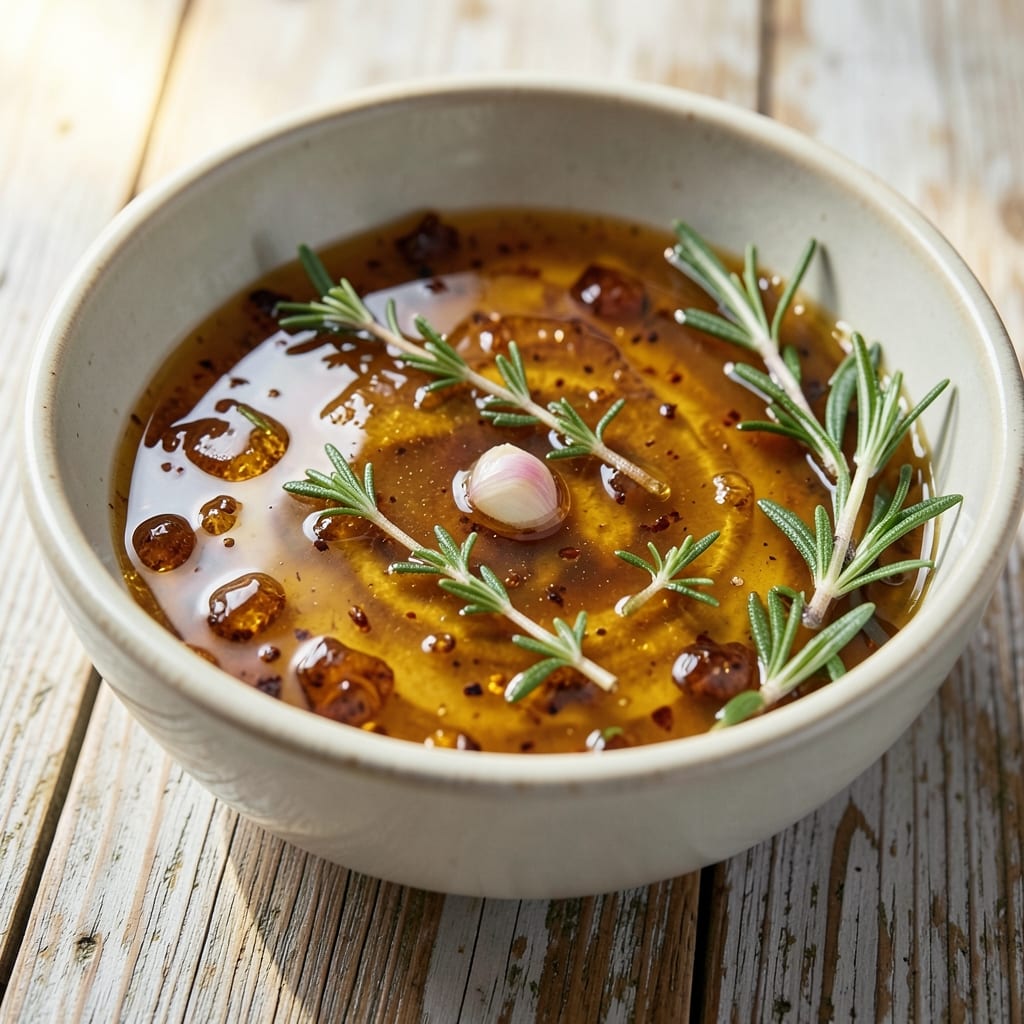
This apple cider vinegar ed recipe transforms simple pantry staples into a tangy, health-boosting elixir that elevates everything from salads to marinades. The perfect balance of sharp vinegar, sweet honey, and aromatic herbs creates a versatile condiment that supports digestion and immunity while adding depth to meals. I developed this recipe after realizing how much better homemade versions taste compared to store-bought substitutes.
The foundation is a simple 5-ingredient blend that comes together in minutes—apple cider vinegar as the base, raw honey for natural sweetness, Dijon mustard for tangy complexity, and fresh herbs like thyme or rosemary for aromatic depth. What makes this recipe special is its adaptability: use it as a salad dressing, meat marinade, or even a glaze for roasted vegetables. The acidity tenderizes proteins while the honey adds subtle sweetness that balances heat.
What you'll end up with is a bright, zesty elixir that enhances any dish it touches. The vinegar's probiotic properties make it great for digestion, while the honey provides natural sweetness and potential immune support. This isn't just another vinegar-based condiment—it's a multi-purpose ingredient that transforms ordinary meals into something extraordinary. The best part? It keeps well in the refrigerator for up to two weeks, making it perfect for meal prep.
Whether you're drizzling it over greens, using it to marinate chicken, or brushing it on roasted carrots, this apple cider vinegar blend delivers restaurant-quality flavor with minimal effort. The recipe scales easily, so you can make a small batch for immediate use or double it for future meals. Here's how to create this versatile condiment that will become a staple in your kitchen.
Ingredients for apple cider vinegar ed
Five simple ingredients transform into a zesty elixir that boosts digestion and elevates every dish.
| Ingredient | Amount | Notes |
|---|---|---|
| Raw Honey 🍯 | ½ cup | Local preferred for floral notes |
| Apple Cider Vinegar 🍏 | 1 ½ cups | Unfiltered, organic preferred |
| Dijon Mustard 🧄 | 2 tbsp | High-quality for tangy depth |
| Fresh Thyme Leaves 🌿 | ¼ cup | Or 1 tbsp dried thyme |
| Fresh Rosemary Sprigs 🌿 | ⅛ cup | Finely chopped for aroma |
| Sea Salt 🧂 | ½ tsp | Fine grain preferred |
| Black Peppercorns 🌶️ | ¼ tsp | Freshly cracked for heat |
| Garlic Cloves 🧄 | 2 cloves | Minced for subtle depth |
| Extra-Virgin Olive Oil 🫒 | ¼ cup | For richness and balance |
The apple cider vinegar is the heart of this blend—look for unfiltered, organic brands like Bragg or Texas Charm for maximum probiotic benefits and rich flavor. Fresh herbs are non-negotiable here; farmers market thyme and rosemary pack the most aromatic punch, but grocery store bundles work in a pinch. The honey should be raw and local if possible—Manuka or clover varieties add subtle floral notes that elevate the tangy-sweet balance. For the mustard, Maille or whole-grain Dijon delivers that signature tang without overpowering. Don't skimp on quality here: these are the flavors that make this elixir shine.
No fresh rosemary? Dried works at half the amount, but toast it first for deeper aroma. Short on thyme? Fresh oregano or basil can step in, though the flavor profile shifts slightly. Running low on honey? Maple syrup or agave are decent substitutes, though they lack the floral complexity. The olive oil is optional but worth adding—it rounds out the acidity beautifully. For a spicier kick, add a pinch of cayenne or red pepper flakes. This blend is endlessly adaptable: use it as a salad dressing, marinade, or even a glaze for roasted vegetables. The garlic cloves can be omitted if you prefer a milder flavor, but I always include them for that subtle depth.
Store this vibrant elixir in a clean glass jar with a tight-sealing lid in the fridge for up to two weeks. The flavors meld beautifully over time, so it actually tastes better after a day or two. For longer storage, transfer to an airtight container and freeze for up to three months—just thaw in the fridge before using. I make a double batch every time: one jar for immediate use and another to stash in the freezer. This keeps my pantry stocked for quick meal upgrades all season long.
Why You'll Love This Recipe
- No-Chop Needed: I swear, this dressing comes together with zero prep—just crack open the honey, pour the vinegar, and toss in those whole sprigs of rosemary and thyme. The herbs steep right in the jar, so you’re not even dicing anything. Honestly, it’s the kind of recipe that makes me feel like a lazy genius.
- Tangy-Sweet Magic: That raw honey and apple cider vinegar combo? It’s like a flavor hug for your salads, roasted veggies, or even drizzled over grilled chicken. The Dijon mustard adds a little kick, but the herbs soften it into something rich and layered—not sharp, not bland, just right. I’ll be real: I’ve caught myself sneaking bites straight from the jar.
- Weeknight to Dinner Party: This stuff works everywhere. Drizzle it on a quick grain bowl for lunch, toss it with roasted Brussels sprouts for a fancier dinner, or even use it as a marinade for pork tenderloin. Between us, I’ve served it at both my I’m too tired to cook nights and my I’m hosting my in-laws dinners—and no one ever asked how little effort it took.
- Lasts All Week: A small jar keeps in the fridge for ages—I’m talking at least two weeks—so it’s my go-to for meal prep. No sad, wilted greens here; the vinegar keeps everything crisp, and the honey prevents it from turning bitter. Plus, it’s cheap to make—just a few bucks’ worth of pantry staples—and I’ve never once thrown out leftovers.
Step-by-step instructions for crafting your apple cider vinegar elixir
This vibrant blend transforms simple ingredients into a digestive powerhouse with immune-boosting depth.
Infuse the Herbs and Garlic
In a small saucepan, combine the 1.5 cups apple cider vinegar, 0.25 cup fresh thyme leaves, 0.125 cup finely chopped fresh rosemary sprigs, 2 minced garlic cloves, 0.5 tsp sea salt, and 0.25 tsp freshly cracked black peppercorns. Bring to a gentle simmer over medium-low heat, then immediately reduce to the lowest setting. Let this aromatic mixture steep for 15 minutes—you'll notice the herbs release their vibrant green oils and the garlic softens just enough to release its subtle sweetness without burning.
I like to use a fine-mesh strainer here because the herbs need to release their essence completely. The vinegar should take on a rich, herbal hue and carry the distinct aroma of Mediterranean herbs. If you're using dried thyme instead, reduce the steeping time to 10 minutes—dried herbs release more quickly and can become bitter if oversteeped.
Incorporate the Dijon Mustard
Remove the saucepan from heat and let the infused vinegar cool for 5 minutes. While it cools, whisk together the 2 tbsp Dijon mustard in a separate bowl. The mustard adds a beautiful tangy depth that balances the vinegar's sharpness. Once the vinegar has cooled to room temperature, slowly pour it into the mustard while whisking continuously to create a smooth emulsion. This step prevents the mustard from clumping and ensures an even distribution of flavor throughout the final elixir.
The mixture should look like a thick, velvety dressing at this stage. If you notice any separation, simply whisk vigorously for another 30 seconds—the acidity in the vinegar will help stabilize the emulsion. This is where the magic happens: the mustard's umami richness begins to meld with the herbal vinegar base, creating a complex flavor profile that's far more sophisticated than either ingredient alone.
Sweeten and Emulsify with Olive Oil
Gradually add the 0.25 cup extra-virgin olive oil to the vinegar-mustard mixture while whisking continuously. The oil should be at room temperature to ensure proper emulsification. After adding the oil, whisk in the 0.5 cup raw honey in a slow, steady stream. The honey not only sweetens but also helps bind the emulsion, creating a luxurious texture that coats the throat beautifully. Continue whisking for 2-3 minutes until the mixture becomes thick and glossy, with a ribbon-like consistency when drizzled.
Here's the thing—patience is key at this stage. If you rush the whisking, you'll end up with a separated dressing. I like to use a hand mixer for this step because it creates more air incorporation, giving the final elixir a lighter texture. The perfect blend should have a balance of sweet, tangy, herbal, and slightly peppery notes that dance on your palate with every sip.
Rest and Refrigerate for Maximum Flavor
Transfer the completed elixir to a clean glass jar with an airtight lid. Let it sit at room temperature for 10 minutes to allow the flavors to meld completely. Then, refrigerate for at least 4 hours—overnight is even better if you can wait. This resting period allows all the components to fully integrate, resulting in a harmonious blend where no single ingredient overpowers the others. The cold temperature also helps stabilize the emulsion, preventing any separation over time.
When you're ready to use it, give the jar a gentle shake before each serving. The elixir should have a beautiful layered appearance with the olive oil floating on top of the vinegar base, which is completely normal and indicates a proper emulsion. This digestive tonic keeps well in the refrigerator for up to 2 weeks, though I find it's best enjoyed within the first 5-7 days when the flavors are at their peak intensity.
Pro Tips For Making Apple Cider Vinegar Ed
- STRAIN THE HERBS: Fresh thyme and rosemary sprigs add flavor, but they’re not meant to be chewed. After infusing your apple cider vinegar and honey mixture, strain through a fine-mesh sieve—no need to press the herbs, just let them release their oils. I learned this the hard way when I ended up with a mouthful of woody bits instead of smooth dressing.
- WHISK THE MUSTARD FIRST: Dijon mustard loves to clump, and nothing ruins a dressing faster than lumps in the final mix. Before adding any liquid, whisk the mustard with a splash of raw honey (about 1 teaspoon) until it’s completely smooth. This pre-emulsion keeps your dressing silky, not grainy.
- WARM THE VINEGAR: Cold apple cider vinegar and honey blend like oil and water—thick and stubborn. Gently warm the vinegar (just until it steams, no boiling) before adding honey. The honey dissolves effortlessly, and the flavors meld faster. Sounds counterintuitive, but it’s the thing that matters most for a cohesive dressing.
- LET IT REST: Impatience is the enemy of flavor. After combining everything, let the dressing sit for at least 10 minutes before using it. The raw honey and Dijon mustard need time to marry with the vinegar’s acidity, and the herbs release their full aroma. I know, I know—you want to eat now—but trust the process. The wait guarantees depth.
Common mistakes when making this recipe
Over-Steeping Herbs
I’ve seen this happen more times than I can count—herbs steeped too long turn bitter and overpower the delicate balance of flavors. The 15-minute steep for fresh herbs is ideal, but if you exceed 20 minutes, the rosemary and thyme release bitter compounds that dominate the elixir. For dried herbs, 10 minutes max is crucial—they extract faster and become harsh if left too long. Always taste as you go: the vinegar should smell aromatic, not medicinal. 🌿
Skipping the Cooling Step
Rushing to mix in the mustard while the vinegar is still hot is a recipe for disaster. The heat causes the mustard to curdle, creating an unappetizing, lumpy texture that won’t emulsify properly. Let the infused vinegar cool to room temperature before combining—this ensures the Dijon mustard blends smoothly. I’ve learned this the hard way after a particularly impatient batch turned into a science experiment. Patience here pays off with a silky-smooth finish. 🧄
Adding Oil Too Quickly
The olive oil needs to be incorporated slowly to create a stable emulsion. Dumping it all in at once causes separation, leaving you with a dressing that looks like a science experiment gone wrong. Add the oil in a slow, steady stream while whisking vigorously. If you see oil pooling on top, whisk for another 30 seconds—the acidity in the vinegar will eventually bind it. A hand mixer makes this step easier, but even a fork works if you’re patient. 🫒
Ignoring the Resting Time
Skipping the 4-hour (or overnight) rest in the fridge is the fastest way to miss out on the full flavor potential. The ingredients need time to meld and stabilize the emulsion. Without resting, the dressing may separate or taste disjointed. I’ve tasted versions straight from the jar only to cringe at the lack of harmony. Trust the process—your taste buds will thank you later. ⏳
Using Low-Quality Ingredients
This elixir shines when made with the best ingredients, but I’ve seen people cut corners that ruin the final product. Cheap vinegar lacks depth, while store-brand honey can taste artificial. Stick with unfiltered apple cider vinegar (like Bragg) and raw honey for the best results. The herbs should be fresh, and the olive oil must be extra-virgin. These aren’t optional—they’re the soul of the recipe. 🍯
Not Adjusting Seasoning
Taste as you go! Some batches need more honey for sweetness or a pinch of salt to balance acidity. I’ve had versions where the mustard was too strong, requiring a splash of vinegar to dial it back. Trust your palate—this elixir is meant to be customized. Start with the recipe, then tweak until it sings. Every kitchen is different, and so should your seasoning be. 🎵
Nutrition facts
Frequently asked questions
Can I make this elixir without honey? Yes, but the flavor profile will change significantly. Honey balances the vinegar's acidity while adding natural sweetness. For a substitute, try maple syrup or agave nectar (use 1:1 ratio), though they lack the floral complexity. If you omit it entirely, you'll need to increase the Dijon mustard to 3 tbsp for depth—just
How can I use this beyond salad dressing?
This versatile elixir works as a marinade for chicken or pork, a glaze for roasted vegetables, or even a cocktail mixer! For marinades, use 1/3 cup per pound of meat. For glazes, simmer 1/4 cup with 1 tbsp butter until slightly reduced. The possibilities are endless—try it on grilled shrimp or drizzled over avocado toast!
Why does my mixture separate after refrigeration?
Separation happens when the emulsion isn't properly stabilized. The fix is simple: give the jar a vigorous shake before using. For future batches, ensure your olive oil is room temperature, whisk continuously when adding it, and don't skip the 4-hour resting period. A hand mixer helps create a more stable emulsion if you're concerned about separation.
Can I make this with white vinegar instead?
While possible, I don't recommend it for this recipe. Apple cider vinegar's complex flavor and probiotic benefits make it essential here. White vinegar lacks the depth and sweetness that apple cider provides. If you're set on using it, you'll need to add 1 extra tbsp honey and 1/2 tsp cinnamon to compensate for the missing flavor notes.
How do I know when the herbs are properly infused?
The vinegar should have a rich herbal aroma and take on a vibrant green hue from the thyme and rosemary. Taste a small amount—it should be aromatic without being bitter. Fresh herbs need 15 minutes of steeping, while dried herbs only require 10 minutes. If it tastes medicinal, you've oversteeped!