
Beverages
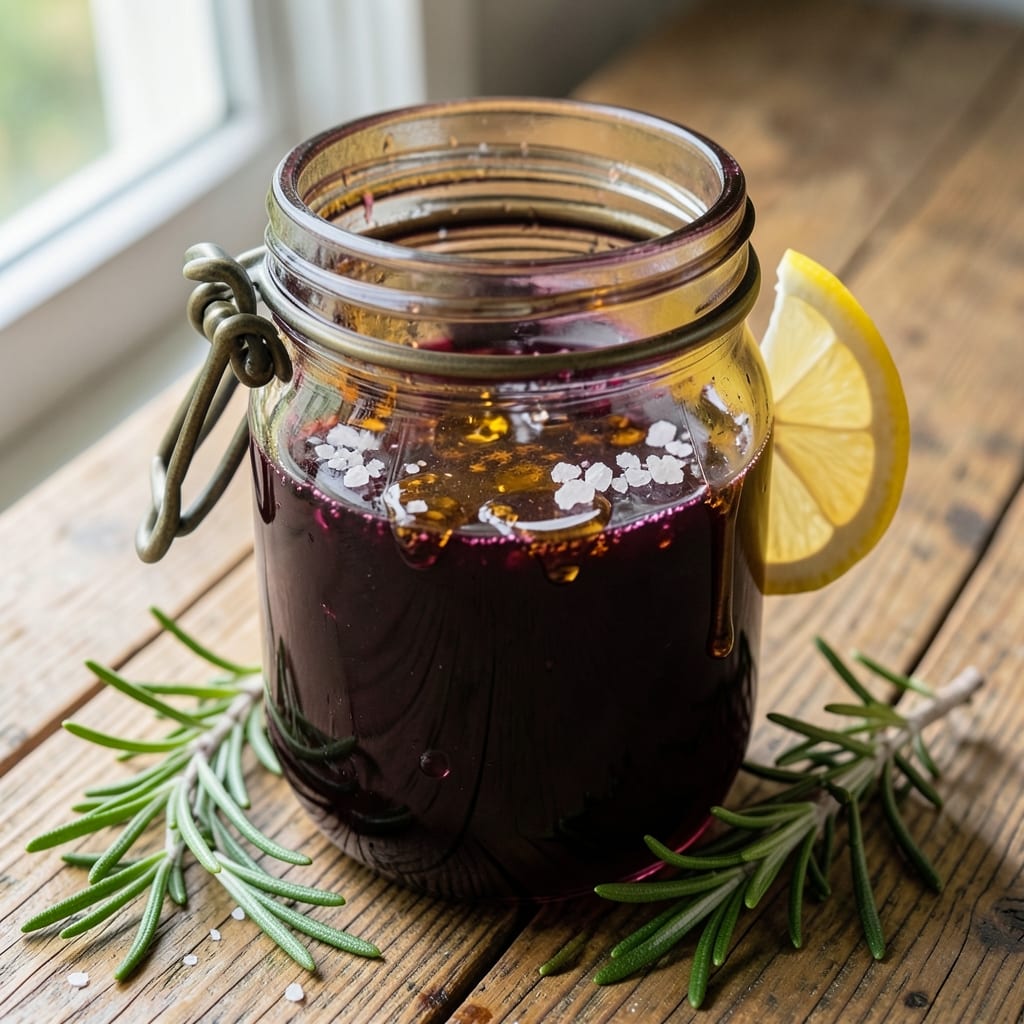
This apple cider vinegar and grape juice recipe transforms simple pantry staples into a probiotic-rich elixir that brightens salads, marinades, and even cocktails. The tangy-sweet balance comes together in 10 minutes with just four ingredients—no cooking required. I developed this blend after discovering how grape juice’s natural sweetness mellows vinegar’s sharpness while preserving its gut-friendly benefits. The result? A versatile liquid that adds depth to dishes without overpowering flavors.
The magic lies in the ratio: three parts grape juice to one part apple cider vinegar, with optional honey or maple syrup to adjust sweetness. This combination isn’t just about taste—it’s a functional ingredient with probiotics from the vinegar and antioxidants from the grape juice. Use it as a salad dressing, marinade for grilled meats, or even a fermented beverage base. The simplicity makes it perfect for meal prep or last-minute flavor boosts.
What you’ll achieve is a bright, balanced liquid that enhances everything it touches. The vinegar’s acidity tenderizes proteins in marinades while adding complexity to dressings, while the grape juice rounds out the sharpness. Store it in the fridge for up to two weeks, or extend shelf life by adding a pinch of salt or a splash of lemon juice. This isn’t just a condiment—it’s a flavor multiplier that elevates ordinary meals.
Whether you’re drizzling it over greens or using it to baste roasted vegetables, this blend delivers restaurant-quality zing with minimal effort. The best part? You can customize it with herbs, spices, or citrus zest to match your taste. Let’s create this probiotic-packed elixir that’s as functional as it is delicious.
Ingredients for apple cider vinegar and grape juice
Four core ingredients—plus optional boosters—create this probiotic elixir in minutes.
| Ingredient | Amount | Notes |
|---|---|---|
| Unfiltered Apple Cider Vinegar 🍏 | 1 cup | Raw, organic preferred for probiotics |
| Concord Grape Juice 🍇 | 3 cups | 100% pure, no added sugar |
| Raw Honey 🍯 | 2 tbsp | Optional, for sweetness adjustment |
| Sea Salt 🧂 | ¼ tsp | Fine grain, for preservation |
| Fresh Lemon Juice 🍋 | 1 tbsp | Optional, for brightness |
| Fresh Rosemary 🌿 | 1 tbsp | Chopped, optional for depth |
The vinegar is non-negotiable—Bragg or Raw Organic brands are my go-tos for that tangy, probiotic punch. Concord grape juice is key for that deep, fruity sweetness, and Trader Joe's or Welch's make it easy to grab. For honey, local raw honey adds subtle floral notes, but any variety works. If you're using this as a marinade, the rosemary becomes essential—it pairs beautifully with the vinegar's acidity. Skip the pre-made grape juice concentrate; it's full of additives that throw off the balance.
No honey? Maple syrup or agave nectar work in a pinch, though honey's floral depth is ideal. Running low on grape juice? Pomegranate juice at a 2:1 ratio gives a similar tart-sweet profile. The lemon juice is optional but worth it—it brightens the whole blend, especially if you're using this as a salad dressing. For extra preservation, add a pinch of black pepper or a splash of brandy (just 1 tsp). And if you're making a big batch, sterilized glass jars keep it fresh for weeks in the fridge.
This blend keeps beautifully—up to 3 weeks in the fridge if you add the lemon juice and salt. For longer storage, freeze in ice cube trays and transfer to a bag. I always make a double batch: one for dressings, one for marinades. The vinegar's acidity makes it perfect for tenderizing proteins—just let it sit for 30 minutes before grilling. And if you're fermenting it further, add a pinch of sea salt and let it sit for 24 hours before using.
Why You'll Love This Recipe
- Five-Ingredient Magic: I swear by this one—just stir, taste, adjust. No fancy tools, no waiting, and honestly? The ratio of effort to reward is unmatched. That tangy vinegar meets sweet grape juice like a hug from your favorite fall memory.
- Sweet-Tart Balance: Between us, the honey and lemon cut through the vinegar’s bite just right. It’s like biting into a crisp apple—bright, complex, and impossible to sip just one glass of. (Yes, even on a Tuesday night.)
- Weeknight & Brunch: This stuff works as a salad dressing, a marinade, or a fancy sipper. Pour it over greens for a zingy kick, drizzle it on grilled chicken, or serve it chilled with ice for a grown-up mocktail. My go-to for when I’m too tired to plan.
- Lasts All Week: Make a big batch—it keeps for ages in the fridge. The flavors actually deepen over time, so you’re not stuck with leftovers you’ll forget. Plus, Concord grape juice is cheaper than you’d think, so you’re not breaking the bank for a pantry staple that’s always useful.
Step-by-step instructions for probiotic-packed grape vinegar drink
This bright, tangy elixir comes together faster than you can say "probiotics."
Combine the Base Ingredients
In a medium glass jar with a tight-fitting lid, pour in the 3 cups of Concord Grape Juice. The deep purple color should look almost opaque—this is your flavor foundation. Add the 1 cup of Unfiltered Apple Cider Vinegar next, giving it a gentle swirl to begin integrating the sharp tang with the grape's sweetness.
Here's the thing—unfiltered apple cider vinegar contains the "mother" culture, those cobwebby strands that pack serious probiotic power. That's why we use it raw and organic. Let the mixture sit for 2-3 minutes at room temperature while you prepare the remaining ingredients. You'll notice tiny bubbles forming as the probiotics start their work.
Add Sweetness and Seasoning
Stir in the 2 tablespoons of Raw Honey using a clean silicone spatula. The honey should dissolve completely into the grape juice, creating a syrupy consistency. If you're using the optional 1 tablespoon of Fresh Lemon Juice, add it now along with the 0.25 teaspoon of Sea Salt. The salt might seem minimal, but it's crucial for enhancing flavor and helping preserve the drink.
Give everything another thorough stir, making sure the honey is fully incorporated. The mixture should now have a balanced sweet-tart profile. If you're adding the 1 tablespoon of chopped Fresh Rosemary, sprinkle it in now and stir gently—just enough to infuse the aroma without making it taste like a herb garden. Rosemary adds an earthy depth that pairs beautifully with the grape's fruitiness.
Seal and Rest for Maximum Benefits
Close the jar tightly and give it one final shake to ensure all ingredients are evenly distributed. Place the sealed jar in the refrigerator and let it rest for at least 4 hours, though overnight is ideal. This resting period allows the flavors to meld completely and the probiotics to activate fully.
I know it's tempting to drink it immediately, but patience here is key. The longer it chills, the more complex the flavor becomes. You'll notice the color deepens slightly as the grape juice and vinegar marry together. The probiotics also have time to work their magic during this period, making this more than just a refreshing drink—it's a functional elixir.
Serve Chilled and Enjoy
Once properly chilled, give the jar another shake before serving. Pour into glasses over ice for a refreshing presentation. The drink should have a vibrant purple hue with a beautiful effervescence from the activated probiotics. Taste it and adjust sweetness if needed—you can add a touch more honey if it's too tart for your preference.
This probiotic-packed drink keeps well in the refrigerator for up to 5 days, making it perfect for meal prep. The grape juice provides natural sweetness, the apple cider vinegar contributes digestive benefits, and the honey adds a touch of luxury. It's the kind of drink that tastes like a treat but actually does your body good.
Pro Tips For Making Apple Cider Vinegar And Grape Juice
- Stir Before Measuring: That unfiltered apple cider vinegar has sediment—don’t ignore it. Give the bottle a good shake (or stir if it’s too thick) right before pouring, or you’ll end up with a cloudy, uneven mix that tastes off. I learned this the hard way when my first batch looked like swamp water instead of a drink.
- Use Cold Grape Juice: Concord grape juice is sweeter and more vibrant when cold. If you’re mixing this with vinegar and honey, chill the juice first—it balances the acidity better and keeps the flavors crisp. (Yes, even if you’re impatient like me, skip the room-temperature shortcut.)
- Salt in Stages: Taste as you go. Add half the sea salt first, then adjust—grape juice and vinegar are sneaky with saltiness. I used to dump it all in and end up with something that tasted like a pickle bomb. Start light, then fine-tune.
- Lemon Juice Last: Fresh lemon juice brightens the drink, but add it at the very end—it oxidizes fast and dulls the flavor if mixed too early. Wait until you’ve tasted the vinegar-honey-grape base, then squeeze it in just before serving. (Your future self will notice the difference.)
Regional styles of these flavors
Southern U.S. Style
Down South, this blend gets a smoky twist by adding 1 teaspoon of smoked paprika and a ½ teaspoon of cayenne pepper to the base recipe. The result? A tangy, slightly spicy marinade perfect for pulled pork or grilled chicken. I’ve seen Southern cooks use this as a base for their famous vinegar-based coleslaw dressings, too—just thin it with a little olive oil. 🌶️
The key here is balance: the grape juice’s sweetness mellows the vinegar’s sharpness, while the smoked paprika adds depth without overpowering. For extra authenticity, serve it chilled over ice with a sprinkle of crushed red pepper—it’s a staple at Southern BBQ joints during summer months.
Pacific Northwest Twist
Up in the Pacific Northwest, where fresh berries abound, this recipe often incorporates ½ cup of blackberry or raspberry juice instead of Concord grape juice. The berries add a brighter acidity that pairs beautifully with the vinegar’s tang. I like to finish it with a pinch of cracked black pepper and a sprig of fresh thyme for a rustic touch.
This version works wonders as a glaze for salmon or as a marinade for grilled vegetables. The region’s love for bold flavors makes this a go-to for everything from summer salads to hearty stews. The thyme adds an earthy note that complements the vinegar’s sharpness perfectly.
Midwest Farmhouse Style
In the heartland, this blend gets a homestyle touch with the addition of 1 teaspoon of ground cinnamon and a ½ teaspoon of ground cloves. It’s a nod to the region’s love of spiced drinks, and it works surprisingly well as a syrup for pancakes or a glaze for roasted meats. The cinnamon and cloves add warmth that balances the vinegar’s acidity.
This version is often made in larger batches and stored in canning jars for easy access. It’s a staple in Midwest kitchens, especially during harvest season, where it’s used to tenderize tough cuts of beef or as a base for homemade BBQ sauces.
Mediterranean-Inspired
For a Mediterranean flair, swap the Concord grape juice for ½ cup of pomegranate juice and add 1 tablespoon of extra virgin olive oil. Finish with 1 teaspoon of dried oregano and a zest of 1 lemon. This version is perfect as a salad dressing or a marinade for grilled lamb or chicken.
The olive oil adds richness that rounds out the vinegar’s sharpness, while the oregano and lemon zest bring a bright, herby freshness. It’s a great way to incorporate Mediterranean flavors into your cooking while keeping the probiotic benefits of the apple cider vinegar.
Nutrition facts
Frequently asked questions
Can I use white grape juice instead of Concord?
Yes, but the flavor will be lighter and less complex. Concord grape juice provides that deep, rich purple hue and robust fruitiness that balances the vinegar perfectly. White grape juice works in a pinch, though—just expect a more delicate, almost floral profile. For best results, stick with Concord for the classic tangy-sweet combination.
How long should I let the mixture ferment before using it?
For optimal probiotic benefits, let it sit for 24 hours before using. The longer it ferments (up to 3 days in the fridge), the more active cultures develop, but the flavor will become slightly sharper. If you're using it as a marinade, 4-6 hours is plenty—just don't exceed 24 hours for food safety.
What's the best way to store this blend?
Transfer to a clean glass jar with a tight lid and store in the fridge for up to 3 weeks. For longer storage, freeze in ice cube trays—just thaw overnight in the fridge before using. The acidity from the vinegar helps preserve it naturally, but adding the optional lemon juice and salt extends freshness even further.
Can I make this without honey?
Swap the honey for 2 tablespoons of maple syrup or agave nectar for a vegan option. If you prefer it tart, you can omit the sweetener entirely—just adjust the grape juice to vinegar ratio to 4:1 instead of 3:1. Taste as you go, especially if using it as a dressing or marinade.
Is this safe to drink straight or only as a condiment?
Both! The probiotic benefits make it great as a refreshing drink, but the acidity can be strong for some. Dilute with sparkling water or herbal tea if drinking it straight. As a condiment, it's perfect for drizzling over salads, basting grilled meats, or even mixing into cocktails. The grape juice's sweetness mellows the vinegar, making it more approachable than plain ACV.