
Beverages
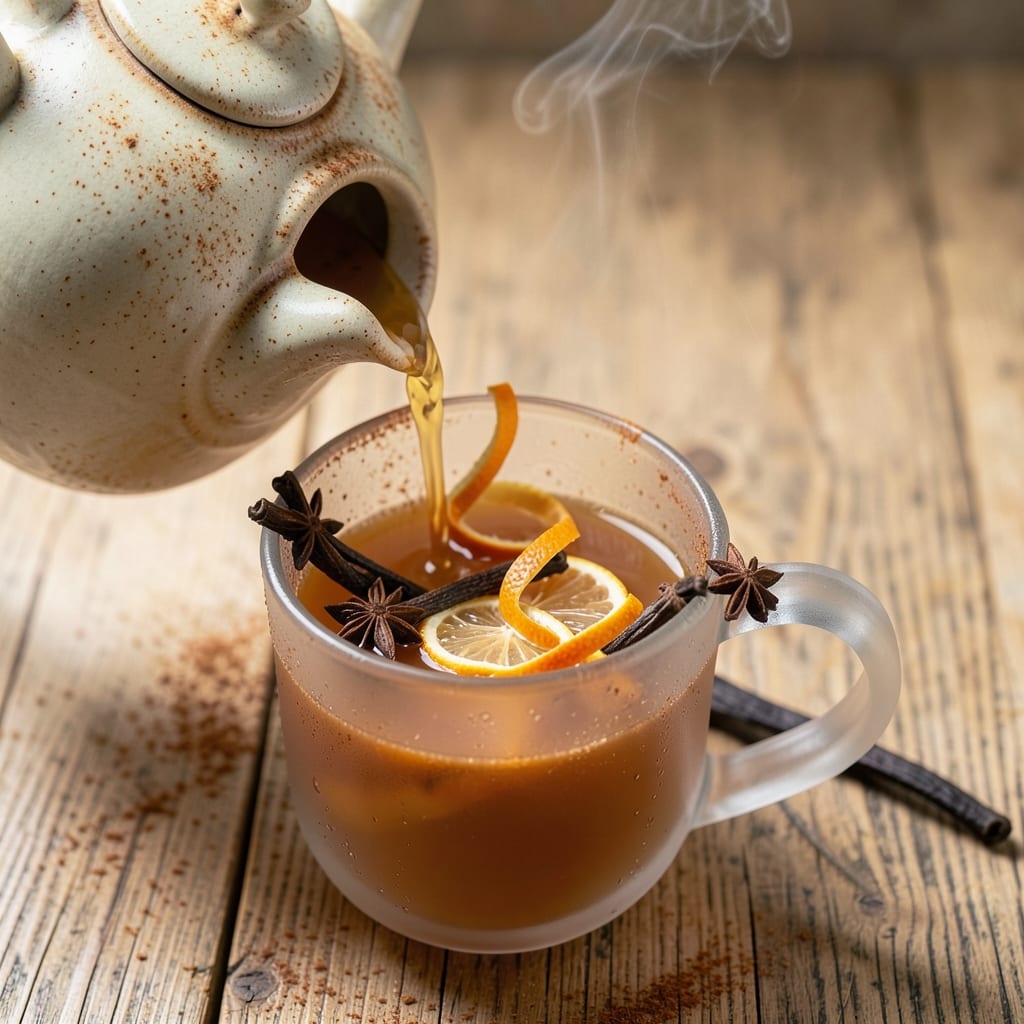
This apple cider ginger tea recipe transforms ordinary cider into a cozy, spiced elixir that’s perfect for chilly evenings. The combination of warm apple cider, fresh ginger, and aromatic spices creates a drink that’s both comforting and invigorating—ideal for autumn and winter sipping. I developed this recipe after craving something heartier than plain tea but lighter than mulled wine, and it’s become a staple in my seasonal rotation.
The beauty of this recipe lies in its simplicity: just a few ingredients—apple cider, ginger, cinnamon, and cloves—simmered together to create a fragrant, zesty brew. The ginger adds a bold kick, while the spices deepen the flavor without overpowering the natural sweetness of the cider. It’s a foolproof method that yields a drink so rich and aromatic, it’ll fill your home with warmth the moment it starts simmering.
By the time you’re done, you’ll have a spiced simmer that’s creamy, slightly tangy, and packed with autumnal flavors. Serve it steaming hot in a mug, garnished with a cinnamon stick or orange slice, and watch it disappear in no time. It’s equally at home as a standalone drink or paired with baked apples, spiced cookies, or even a charcuterie board.
For those who prefer it vegan, simply skip the honey and enjoy the natural sweetness of the cider. The recipe also scales effortlessly—double the batch for gatherings or freeze leftovers in ice cube trays for quick, ready-to-use servings later. Here’s how to make it perfectly every time.
Ingredients for apple cider ginger tea
Just eight ingredients transform simple cider into a warming, aromatic elixir perfect for autumn evenings.
| Ingredient | Amount | Notes |
|---|---|---|
| Unfiltered Apple Cider 🍎 | 4 cups | Unsweetened, preferably organic |
| Fresh Ginger Root 🌿 | ½ cup | Peeled, thinly sliced (about 3 oz) |
| Ground Cinnamon 🍃 | 1 tsp | Freshly ground preferred |
| Whole Cloves 🌶️ | 4 whole | Lightly crushed |
| Star Anise 🌟 | 2 whole | Optional but adds depth |
| Orange Peel 🍊 | 1 strip | From 1 organic orange, no pith |
| Pure Maple Syrup 🍯 | 2 tbsp | Vegan alternative to honey |
| Black Peppercorns 🌶️ | 4 whole | Lightly crushed |
| Vanilla Bean 🌸 | 1 whole | Split lengthwise, seeds scraped |
| Filtered Water 💧 | 1 cup | For thinning if needed |
The apple cider is the foundation—unfiltered and unsweetened is key for authentic flavor. Local orchard cider or brands like Woodchuck work beautifully, but any quality cider will do. Fresh ginger is non-negotiable here; the peeled, thinly sliced pieces release their zing when simmered. For extra convenience, pre-peeled organic ginger from Whole Foods or Trader Joe's saves time without sacrificing quality. Star anise and vanilla bean might seem like splurges, but they elevate the drink from ordinary to extraordinary—Penzeys Spices carries both at reasonable prices for small quantities.
No star anise? Skip it entirely—the other spices still shine. Fresh ginger too spicy? Reduce to 0.25 cup or swap for 1 tbsp fresh ginger juice. Running low on maple syrup? Agave nectar or date syrup work in a pinch, though maple's depth is unmatched. The orange peel can be dried and saved for future batches—simply pat it dry and store in an airtight container. For a caffeine boost, add 1 tsp loose-leaf chamomile tea to the simmering pot. And if you're using a slow cooker, double the spices and let it steep on low for 2-3 hours for deeper flavor infusion.
This tea keeps beautifully in the fridge for 5-7 days—simply reheat gently on the stove or microwave. For individual servings, freeze in ice cube trays with a bit of water, then transfer cubes to a freezer bag. Thaw as needed and dilute with hot water. The spices can be pre-mixed in a small jar for up to 3 months if stored in a dark, cool place. Garnish with an extra cinnamon stick or orange slice for presentation—the aroma alone will make your kitchen feel like a cozy autumn café. Leftovers make excellent iced tea too—just chill and serve over ice.
Why You'll Love This Recipe
- Five-Minute Simmer: I swear by this—just peel a thumb-sized ginger knob, slice it thin, toss in whole spices, and pour on the cider. No measuring cups, no fuss. The hardest part is waiting for the aroma to fill your kitchen.
- Spice-Perfect Balance: That first sip? Warm cider with ginger’s kick, cinnamon’s cozy hug, and star anise whispering in the background. It’s like autumn in a mug—no sugar needed, just pure, layered flavor that lingers.
- Cold or Hot Flex: Make a big batch and keep it in the fridge for iced tea that’s still rich and spiced. Or reheat it on chilly days with a splash of water. My kids ask for it year-round, even when I forget to buy juice.
- Pantry Magic: Honestly, you’re using spices you already own. The only splurge is unfiltered cider, but one bottle lasts me weeks. Plus, the leftovers? Pour them into ice cube trays and freeze for instant tea boosts later.
Step-by-step instructions for apple cider ginger tea
This method delivers a rich, aromatic blend with perfect balance of spice and sweetness.
Prepare the Spice Base
In a medium saucepan, combine the 4 cups unfiltered apple cider, 0.5 cup sliced fresh ginger root, 4 lightly crushed whole cloves, 2 whole star anise, 1 strip orange peel, 4 lightly crushed whole black peppercorns, and the scraped seeds from 1 whole vanilla bean. I like to use a wooden spoon to gently stir these ingredients together for about 30 seconds, ensuring all the spices are fully submerged in the cider.
This step is crucial for extracting maximum flavor from the spices. The ginger should be thinly sliced to infuse properly without becoming bitter. Bring the mixture to a gentle simmer over medium heat, then reduce the heat to maintain a steady, low bubble. Let it simmer uncovered for 10 minutes to allow the spices to release their aromatic oils into the liquid.
Add Sweetener and Simmer
After the initial 10 minutes of simmering, stir in the 2 tablespoons pure maple syrup. This is where the sweetness comes into play, balancing the zesty kick from the ginger. I like to taste the mixture at this point to gauge the flavor profile—it should be noticeably spiced but not overly strong. If you prefer a sweeter tea, you can add a bit more maple syrup now, but remember that the flavors will continue to meld as it cooks.
Continue simmering the mixture for an additional 15 minutes. You'll notice the liquid reduces slightly and the aroma becomes more intense. The tea should develop a rich amber color and a complex fragrance that combines the warmth of cinnamon, the freshness of ginger, and the citrus brightness from the orange peel. The vanilla bean adds a subtle floral note that rounds out the flavor profile beautifully.
Strain and Adjust Consistency
Remove the saucepan from heat and let the tea steep for an additional 5 minutes off the stove. This resting period allows the flavors to fully meld together. Then, strain the tea through a fine-mesh sieve or cheesecloth into a clean pitcher or serving vessel. I press gently on the ginger slices and spices to extract every last bit of flavor without releasing any sediment into the tea.
If the tea is too thick for your preference, you can thin it with the 1 cup filtered water, adding it gradually while stirring. The tea should have a syrupy consistency but still be pourable. Taste again and adjust the sweetness if needed—you can add a touch more maple syrup if desired, but the original amount should provide a perfect balance.
Serve Warm or Chill for Refreshing Variety
Serve the apple cider ginger tea immediately while warm, or allow it to cool to room temperature before refrigerating. The tea tastes equally delicious hot or cold, making it perfect for any season. When serving warm, I like to garnish each cup with a thin slice of fresh ginger and a sprinkle of ground cinnamon for an elegant touch that enhances the aroma.
For an extra special presentation, you can also add a small cinnamon stick or a few whole cloves to each serving. The tea keeps well in the refrigerator for up to 5 days, and you can reheat it gently on the stove or in the microwave. The flavors continue to develop over time, making this tea even more complex with each day it's stored.
Pro Tips For Making Apple Cider Ginger Tea
- PEEL GINGER THINLY: Fresh ginger loses its bite when grated too finely, so use a knife to slice off paper-thin shards instead of mincing. I learned this the hard way—over-grating turns your tea into a ginger-flavored smoothie instead of a bright, zesty sip.
- SIMMER LOW AND SLOW: This isn’t a race—keep the heat at a gentle boil (small bubbles, barely breaking the surface) for 15-20 minutes. I used to crank the heat and ended up with a bitter, over-extracted mess. Low heat lets the spices infuse without turning the cider into syrup.
- STRAIN TWICE: First pass with a fine-mesh strainer catches the obvious bits, but the real magic happens when you pour the liquid through a coffee filter or cheesecloth. This removes the last of the sediment, leaving your tea silky smooth—no one likes a mouthful of clove dust.
- TOAST WHOLE SPICES: Lightly dry-toast the cloves and star anise in a dry pan for 30 seconds before adding them to the cider. This deepens their aroma and prevents them from floating like dull, flavorless pebbles. (Yes, it’s an extra step, but your tea will taste like it came from a spice merchant’s stall, not a grocery store.)
Regional styles of these flavors
New England Cozy
In New England, this tea becomes a seasonal staple, often called "Apple Cider Spice Tea" at local orchards. The region’s love for unfiltered cider and fresh ginger makes this drink a must during harvest season. I’ve seen vendors at Massachusetts orchards like Cider Hill Farm sell similar versions with extra black pepper for a sharper kick. Try adding 1 tsp apple cider vinegar at the end for a tangy twist that locals swear by. 🍎
Southern Comfort Style
Southern cooks elevate this tea by adding a splash of bourbon (about 1 oz per serving) and a pinch of smoked paprika for depth. It’s a popular holiday sipper in states like Georgia and Tennessee, where it’s called "Spiced Cider Bourbon Tea." I once made a batch for a Thanksgiving gathering and used Woodford Reserve—the caramel notes paired beautifully with the vanilla. Serve in mason jars with a cinnamon stick for rustic charm.
Pacific Northwest Twist
Out West, the focus shifts to local honey (if not vegan) and dried apples for texture. In Washington State, you’ll find versions with crushed pear slices and a dash of cardamom, inspired by Scandinavian influences. I’ve made this variation using Wildflower honey from Bee Local—it adds a floral note that complements the ginger perfectly. For a modern touch, blend in 1 tsp apple butter after straining for a thicker, spreadable consistency.
Midwest Orchard Classic
The Midwest’s apple orchard culture makes this tea a harvest-season favorite, often served at pumpkin patches and farmers' markets. Here, it’s common to see extra cloves (up to 6-8) and a star anise pod for warmth. I’ve watched vendors at Michigan’s Orchard Country double the spices for a bold, rustic flavor. For a true Midwestern touch, add 1 tsp apple pie spice (a pre-mixed blend of cinnamon, nutmeg, and allspice) at the start of simmering.
Urban Café Adaptation
Cities like New York and Portland have turned this tea into a trendy café drink, often served with edible flowers or a ginger foam on top. I’ve sipped versions at Stumptown Coffee in Portland with matcha powder swirled in for an earthy twist. For a home version, blend 1 tsp fresh ginger juice with 1 tbsp coconut milk and froth it lightly before pouring over the tea. Garnish with toasted coconut flakes for a tropical vibe.
Nutrition facts
Frequently asked questions
Can I make this tea without fresh ginger?
Yes, but the flavor will be less vibrant. Use 1 tablespoon of fresh ginger juice or 1 teaspoon ground ginger as a substitute. For extra depth, add ½ teaspoon of ginger powder at the start of simmering. The fresh ginger's zesty kick is hard to replicate, but these alternatives work in a pinch.
How strong should the ginger flavor be?
The recipe balances bold ginger with sweet cider and warm spices. For a milder taste, reduce ginger to 0.25 cup or simmer it for only 8 minutes instead of 10. If you love ginger's heat, add ½ teaspoon of red pepper flakes or an extra ¼ cup of fresh ginger. Taste as you go—adjust to your preference!
Can I use store-bought apple cider vinegar instead of cider?
No, apple cider vinegar lacks the sweetness and depth of fresh cider. The recipe relies on the natural sugars and fruit flavors in cider for balance. If you're out of cider, try unsweetened apple juice (though it won't have the same rich mouthfeel) or a mix of ½ cup apple juice + ½ cup water with 1 extra tablespoon of maple syrup.
How do I make this tea caffeine-free?
This recipe is naturally caffeine-free since it uses apple cider instead of tea leaves. For extra relaxation, add 1 chamomile tea bag while simmering or infuse with ½ cup dried hibiscus flowers for a tart, floral twist. Both options enhance the cozy vibe without adding caffeine.
What's the best way to reheat leftover tea?
Gently reheat in a saucepan over low heat with 1 tablespoon of water to restore thickness. Avoid microwaving—it can make the ginger taste sharper. For individual servings, freeze tea in ice cube trays, then thaw and dilute with hot water. The flavors actually improve after 2-3 days of refrigeration!