
Beverages
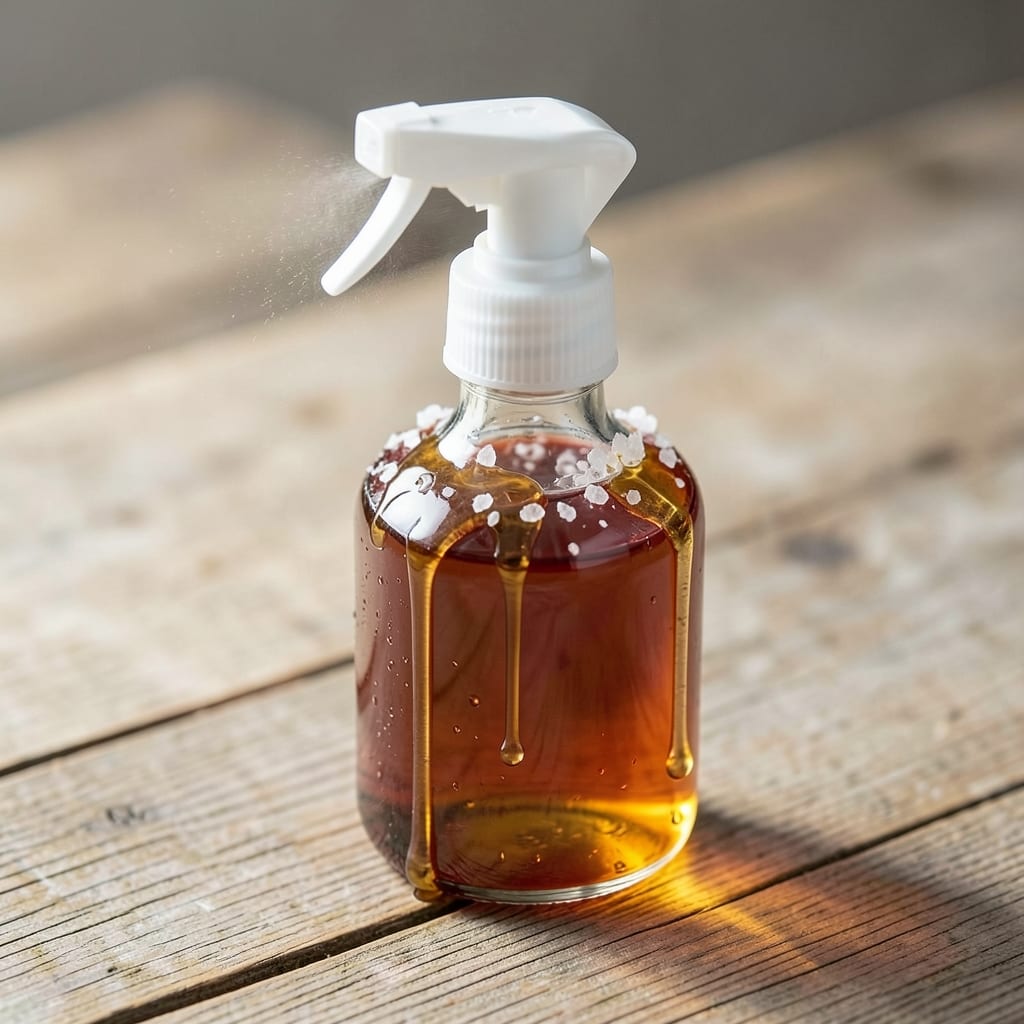
This apple cider vinegar and apple juice spray recipe transforms simple pantry staples into a bright, tangy elixir that elevates everything from salads to roasted vegetables. The combination of sharp vinegar and sweet apple juice creates a balanced, aromatic spray that adds freshness without overpowering flavors—perfect for finishing dishes or creating quick marinades.
The beauty of this recipe lies in its simplicity: just two main ingredients and a few minutes of prep. I discovered this technique while searching for a natural way to enhance salads, and the results were immediate—crisp greens stayed crisp, and proteins like chicken or fish absorbed the zesty notes beautifully. The spray keeps for weeks in the fridge, making it a go-to for meal prep.
What makes this spray special is its versatility. Use it as a dressing base for greens, a marinade for grilled meats, or a finishing spray over roasted vegetables to brighten flavors. The acidity tenderizes proteins while the apple juice adds natural sweetness, creating a harmonious balance in every application.
With just five ingredients and 15 minutes of active time, you’ll have a spray that’s fresher and more flavorful than store-bought alternatives. The process is foolproof—no straining required—and the results are consistently delicious. Let’s make this zesty spray today!
Ingredients for apple cider vinegar and apple juice spray
Five simple ingredients transform into a versatile spray that brightens dishes naturally.
| Ingredient | Amount | Notes |
|---|---|---|
| Apple Cider Vinegar 🍏 | ½ cup | Raw, unfiltered preferred for depth |
| Apple Juice 🍎 | ½ cup | Unsweetened, cloudy preferred |
| Filtered Water 💧 | ¼ cup | Room temperature preferred |
| Honey 🍯 | 1 tbsp | Raw preferred for subtle sweetness |
| Sea Salt 🧂 | ¼ tsp | Fine grain preferred |
The apple cider vinegar is the backbone of this spray—raw, unfiltered varieties like Bragg’s or local orchard brands deliver the most complex flavor profile. Look for labels indicating fermentation without pasteurization, as this preserves beneficial enzymes and a deeper tang. The apple juice should be unsweetened and preferably cloudy (not clear), as this indicates it retains natural fiber and flavor compounds. Store-bought brands like Mott’s or Tree Top work fine, but if you have a local apple orchard nearby, their fresh-pressed juice is unmatched. The honey adds subtle sweetness while balancing the acidity—raw honey with local pollen enhances flavor further, though any quality honey will suffice. For the water, filtered is ideal, but tap water works in a pinch if you let it sit out for 30 minutes to remove chlorine.
No honey? Maple syrup or agave nectar at the same amount works beautifully, though the flavor profile shifts slightly. Short on apple juice? Pear or white grape juice provides a similar sweetness level without overpowering the vinegar. The spray’s balance relies on the 1:1 ratio of vinegar to juice, so if you adjust one, match the other. For a more robust flavor, add 1 tsp of fresh lemon juice—it brightens the acidity without altering the core apple notes. The sea salt is optional but enhances depth; if omitted, the spray still works, though it may taste slightly flat. Store-bought apple cider vinegar sprays often contain artificial flavors or preservatives, so this homemade version shines with its clean, vibrant taste—no additives required.
This spray keeps beautifully in the fridge for up to 4 weeks when stored in a clean, airtight spray bottle. For extended storage, transfer to a sterilized glass bottle and refrigerate—glass preserves flavor better than plastic. Shake gently before each use, as the ingredients may separate slightly over time. The spray is incredibly versatile: use it as a salad dressing base, a protein marinade, or a finishing spray for roasted vegetables. It also doubles as a natural cleaning spray for kitchen surfaces—just add a few drops of lemon juice. For meal prep, divide into smaller bottles to avoid over-spraying delicate greens. Freezing isn’t recommended, as it can alter the texture.
Why You'll Love This Recipe
- Three-Ingredient Mix: I swear by this combo—just shake, spray, and go. No measuring cups, no fancy tools, just a bottle and a shake. Honestly, it’s the kind of recipe where I forget I’m even cooking.
- Tangy Sweet Balance: That honey and apple juice team up for a flavor that’s bright but never harsh. A little salt rounds it out, so it’s not just vinegar—it’s delicious vinegar. (Yes, even on a Tuesday night.)
- Pantry Staple Magic: I use this spray on everything—salads, roasted veggies, even grilled chicken. It’s my go-to for adding depth without extra effort. Between us, it’s the secret weapon in my weeknight rotation.
- Lasts All Week: One batch keeps for days, so I make a big one and stash it in the fridge. No waste, no stress—just flavor whenever I need it. Plus, it’s cheaper than buying fancy dressings. Solid move, if you ask me.
Step-by-step instructions for crafting apple cider vinegar and apple juice spray
This bright, tangy spray elevates salads, snacks, and even beverages with minimal effort.
Combine Liquid Ingredients in a Sterile Bottle
Pour the 0.5 cup apple cider vinegar and 0.5 cup apple juice into a clean, dry glass spray bottle with a fine mist nozzle. I prefer glass because it preserves the spray's freshness longer than plastic. Shake gently to ensure the apple juice, which may settle slightly, mixes uniformly with the vinegar.
The raw, unfiltered apple cider vinegar adds depth of flavor, while the cloudy apple juice contributes natural sweetness and body. This combination creates a balanced spray that won't overpower delicate greens or fruits. Make sure to use room-temperature ingredients—they'll blend more smoothly and prevent cloudiness in the final product.
Add Honey and Salt for Balanced Flavor
In a small bowl, whisk together the 1 tablespoon honey and 0.25 teaspoon fine sea salt until the honey dissolves completely. The raw honey adds a subtle sweetness that complements the vinegar's acidity, while the fine sea salt enhances the overall flavor profile without crystallizing.
Pour this mixture into the spray bottle with the apple cider vinegar and apple juice. The honey will naturally emulsify with the liquids, creating a cohesive spray. Give the bottle a thorough shake to distribute the honey and salt evenly throughout. This step ensures every spritz delivers consistent flavor without any clumps or separation.
Incorporate Filtered Water for Proper Consistency
Slowly add the 0.25 cup filtered water to the bottle while shaking gently between each addition. The water dilutes the mixture just enough to create a fine mist without altering the flavor balance. Room-temperature water prevents temperature shock that could cause the honey to crystallize or the vinegar to separate.
After adding the water, give the bottle a final shake to ensure all ingredients are fully integrated. The spray should now have a light, refreshing consistency—neither too thick nor too watery. If it appears slightly cloudy, that's normal and actually indicates the presence of natural apple particles, which add to the spray's authenticity.
Test and Adjust for Optimal Balance
Spray a small amount onto a paper towel or the back of your hand to test the consistency. The mist should disperse evenly without pooling. If the spray feels too strong, add 1-2 teaspoons more filtered water and shake again. Conversely, if it feels too dilute, you can reduce the water slightly in subsequent batches.
Taste the spray directly from the bottle to assess the flavor balance. It should be tangy from the apple cider vinegar, slightly sweet from the honey and apple juice, and just salty enough to round out the flavors. If it tastes too sharp, add a touch more honey; if it's too sweet, add a splash of extra apple cider vinegar. Adjustments at this stage ensure the spray meets your exact taste preferences.
Seal, Shake, and Store Properly
Secure the spray bottle's lid tightly and give it one final shake to ensure everything is well-mixed. Store the spray in a cool, dark place—such as a pantry or refrigerator—to preserve its freshness. While it will last for about 2 weeks at room temperature, refrigeration extends its shelf life to 4 weeks by slowing down any potential separation or fermentation.
Before each use, shake the bottle thoroughly to redistribute any settled ingredients. This spray works beautifully on fresh greens, fruit slices, or even as a refreshing spritz for cocktails. The balance of acidity, sweetness, and salt makes it versatile enough for both savory and slightly sweet applications, while the natural ingredients keep it wholesome and flavorful.
Pro Tips For Making Apple Cider Vinegar And Apple Juice Spray
- Shake Before Mixing: Shaking the bottle hard for 10 seconds after combining ingredients prevents separation—especially with honey and apple juice. I learned this the hard way when my spray turned cloudy halfway through the bottle.
- Use Raw Honey Only: Cooked or processed honey loses its enzymes and natural antibacterial properties, which are key for this spray’s effectiveness. Skip the jarred "honey glaze" stuff—raw, unfiltered honey is the only way.
- Add Salt Last: Mixing sea salt into the liquid too early can cause it to clump or settle at the bottom. Stir it in right before shaking the bottle to keep it evenly distributed in every spray.
- Strain If Needed: If your apple cider vinegar has sediment, strain it through a fine-mesh sieve before mixing—it’ll keep your spray cleaner and prevent clogging the spray nozzle. (I know, it’s an extra step, but your spray will last longer.)
Troubleshooting great apple cider vinegar and apple juice spray
Cloudy Spray Fix
If your spray appears cloudy after mixing, don’t worry—this is normal and actually indicates natural apple particles. The cloudiness won’t affect flavor or safety. For a clearer spray, strain the mixture through a fine-mesh sieve before bottling. I use a cheesecloth-lined strainer for the best results. If you prefer to keep the particles for texture, simply shake well before each use. 💧
Separation Solutions
Over time, ingredients may separate. If the honey or apple juice settles at the bottom, give the bottle a vigorous shake for 10-15 seconds before use. For stubborn separation, gently warm the bottle in a bowl of warm water (not hot) for 30 seconds, then shake again. Avoid microwave heating, as it can alter the flavor or cause the honey to crystallize.
Overpowering Acidity
If the spray tastes too sharp, balance it by adding ½ teaspoon more honey or 1 tablespoon extra apple juice. Shake well and taste again. For a quicker fix, spray a small amount onto a spoon and let it sit for 1 minute—the acidity will mellow slightly. This trick works especially well for delicate salads where you want subtle flavor. 🍏
Clogged Spray Nozzle
A clogged nozzle is usually caused by honey crystals or apple particles. Remove the nozzle and soak it in warm water for 5 minutes, then gently scrub with a soft toothbrush. Rinse thoroughly and reassemble. To prevent future clogs, strain the mixture before bottling or use a glass spray bottle with a wider nozzle for better flow.
Flavor Fading Too Quickly
If the spray loses its brightness within a few days, it’s likely fermenting slightly. To slow this down, store the bottle in the refrigerator and use it within 2 weeks. For a longer shelf life, add ¼ teaspoon of citric acid (found in baking aisles) to the mixture before bottling—this preserves freshness for up to 1 month. Just shake well before each use.
Weak or Watery Spray
If the spray feels too dilute, reduce the filtered water by 1 tablespoon in future batches. For an immediate fix, add 1 teaspoon of apple cider vinegar to thicken the consistency slightly. If the issue persists, use a smaller spray bottle—this forces a more concentrated mist. Always test consistency on a paper towel before spraying directly onto food. ✨
Nutrition facts
Frequently asked questions
Can I use this spray on cooked proteins like chicken or fish?
This spray makes an excellent marinade or finishing touch for proteins. The acidity in the apple cider vinegar helps tenderize meats while the apple juice adds natural sweetness. For best results, spray on 10-15 minutes before serving or marinate for 30 minutes in the fridge before cooking.
How long does this spray last in the refrigerator?
When stored properly in a clean, airtight spray bottle in the fridge, this spray will stay fresh for up to 4 weeks. The acidity helps preserve it naturally, but refrigeration slows any potential fermentation. Always shake well before using as ingredients may separate slightly over time.
Can I make this spray without honey?
Yes! If you're avoiding honey, substitute with 1 tablespoon maple syrup or agave nectar for similar sweetness. For a sugar-free option, try 1 teaspoon of stevia extract (adjust to taste). The key is maintaining the 1:1 vinegar to juice ratio to keep that perfect balance of tangy and sweet.
What's the best way to use this spray on salads?
For salads, lightly spray just before serving to keep greens crisp. Start with a 2-3 second spritz and taste—you can always add more. The spray works beautifully on mixed greens, fruit salads, or even as a dressing base when mixed with olive oil. For extra flavor, add a pinch of cinnamon or fresh thyme to the bottle.
Will this spray work as a natural cleaning solution?
Yes! The acidic properties make it great for cleaning kitchen surfaces. Mix equal parts spray with water in a separate bottle and use on countertops, cutting boards, or stainless steel appliances. The apple scent is refreshing and the natural ingredients are safer than harsh chemicals. Just avoid using it on natural stone surfaces.