
Beverages
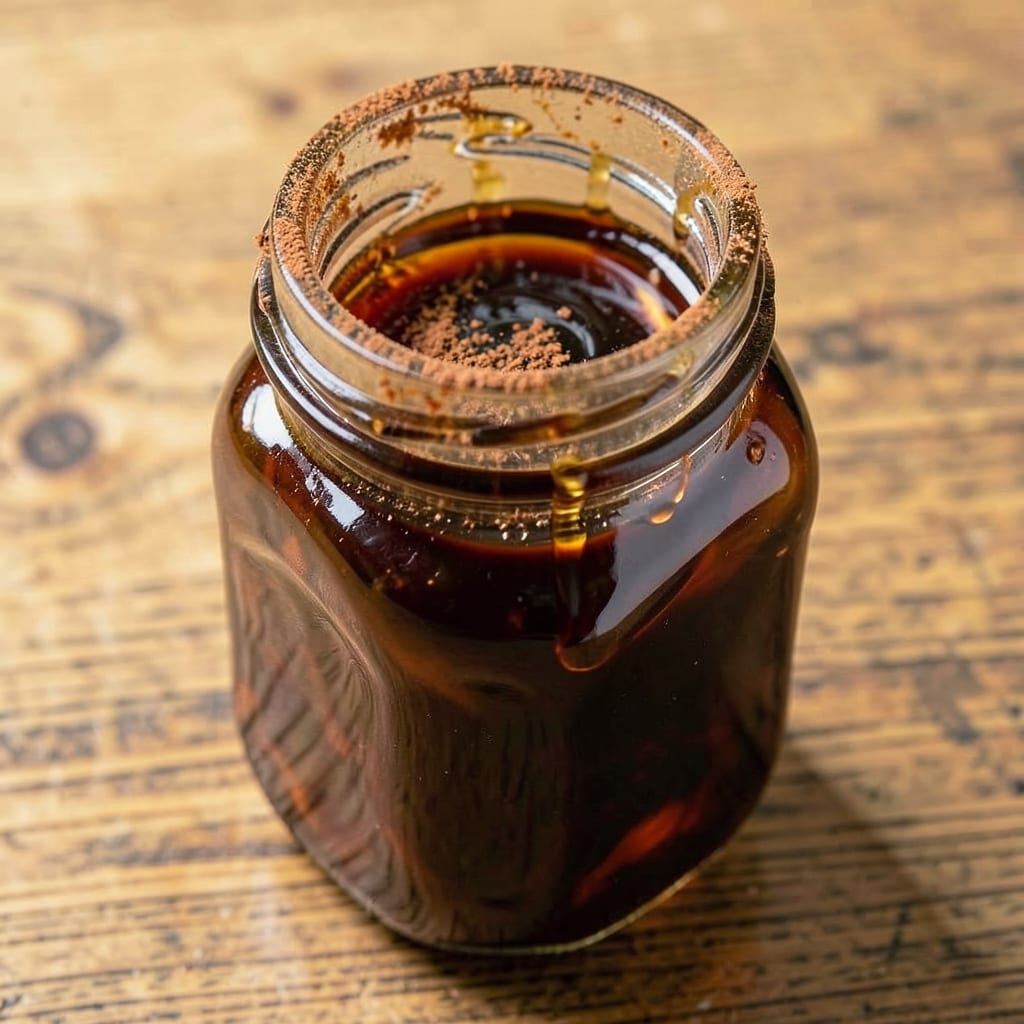
This apple cider coffee syrup transforms your morning brew into a rich, caramelized masterpiece with just 15 minutes of simmering. The perfect balance of spiced apple cider and bold coffee creates a syrup that adds depth to coffee, cocktails, and even pancakes—without overpowering the original flavors. I developed this recipe after craving a drink that felt like autumn in a cup, and it quickly became my go-to for elevating everyday beverages.
The secret lies in the slow reduction of apple cider and coffee, which develops a natural caramelization that deepens the syrup’s complexity. A touch of vanilla and cinnamon enhances the warmth, while a splash of bourbon (optional) adds a smoky dimension that pairs beautifully with espresso or whiskey. The result is a smooth, aromatic syrup that’s versatile enough for both sweet and savory applications.
What makes this syrup stand out is its ability to enhance rather than dominate. Pour it into your morning coffee for a spiced, caramelized twist, drizzle it over vanilla ice cream for a boozy dessert, or use it as a glaze for roasted meats. The syrup keeps well in the refrigerator for up to two weeks, making it a perfect pantry staple for fall and winter.
Whether you’re a coffee enthusiast or a cocktail creator, this syrup will become your secret weapon for adding caramelized depth to any drink. Let’s get started—your taste buds will thank you.
Ingredients for apple cider coffee syrup
Seven simple ingredients for a syrup that feels like autumn in every sip.
| Ingredient | Amount | Notes |
|---|---|---|
| Apple Cider 🍎 | 2 cups | Unfiltered, preferably organic |
| Strong Brewed Coffee ☕ | 1 cup | Cold or room temperature |
| Granulated Sugar 🍚 | ½ cup | Light brown preferred |
| Vanilla Extract 🌿 | 1 tsp | Pure, high-quality |
| Ground Cinnamon 🌶️ | ½ tsp | Freshly ground preferred |
| Bourbon (optional) 🥃 | ¼ cup | Good quality, aged |
| Unsalted Butter 🧈 | 1 tbsp | Cold, cut into pieces |
Apple cider is the heart of this syrup—unfiltered, organic cider has the best flavor, but any good-quality cider works. I grab mine from Trader Joe's or the local farm market in season. For the coffee, cold brew concentrate works best since it’s already strong, but regular brewed coffee is fine if you make it extra bold. The sugar is key here—light brown sugar adds a subtle caramel note, but white sugar works too if that’s what you’ve got. Vanilla extract should be pure, nothing with alcohol fillers. NutpodsMcCormick are my go-tos for quality.
No bourbon? Dark rum or even extra coffee adds depth without the alcohol. Short on vanilla? Vanilla bean paste gives you those little specks—worth it if you’ve got one. The cinnamon can be swapped for cinnamon sticks if you’re making a big batch—just steep them in the cider first. Butter might sound weird, but it’s what creates that silky texture. European-style butter like Plugrá melts beautifully, but any unsalted butter works. If you’re avoiding dairy, coconut oil works in a pinch, though the flavor will be different.
This syrup thickens as it cools—shake it up before each use. Keeps in the fridge for 2 weeks, but I usually finish it in days. Freeze extras in ice cube trays for single-serving portions. The bourbon, if used, adds a nice kick to cocktails—try it in a spiced whiskey sour. For pancakes, a drizzle plus a pinch of cinnamon turns breakfast into dessert.
Why You'll Love This Recipe
- No-Simmer Struggle: I just toss apple cider and coffee into a pot with sugar—no fancy techniques, no waiting for hours. The vanilla and cinnamon melt right in while it simmers, and honestly? It’s done before my morning podcast finishes.
- Fall in One Sip: That first taste of warm coffee with caramelized apple notes? It’s like autumn in a bottle. The cinnamon lingers just enough to make your coffee feel like a cozy hug, and the vanilla ties it all together without overpowering.
- Weekend Brunch Hero: Drizzle it over pancakes or yogurt—suddenly, your weekend breakfast feels like a café treat. I’ll be real: my go-to is pouring it into cold brew for an iced coffee that tastes like a fall festival.
- Pantry Goldmine: Use up that leftover apple cider instead of tossing it. A single batch stretches across coffee, cocktails, or even glazes for roasted nuts. And since it’s just sugar, spices, and pantry staples? Your wallet stays happy too.
Step-by-step instructions for apple cider coffee syrup
Let's create a rich, caramelized syrup that transforms ordinary coffee into something extraordinary.
Combine Liquids and Sugar in a Saucepan
In a medium saucepan, combine the 2 cups apple cider, 1 cup strong brewed coffee, and 0.5 cup granulated sugar. I like to use a heavy-bottomed pan for even heating—this prevents scorching when the sugar starts to caramelize. Stir gently with a wooden spoon until the sugar dissolves completely, which should take about 2-3 minutes over medium heat. You'll see the mixture become clear and slightly syrupy in texture.
This initial combination is where all the flavors begin to meld. The apple cider's natural sweetness and acidity will balance the bitterness of the coffee, creating a perfect foundation. Keep the heat at medium—too high and you risk burning the sugar before it fully integrates.
Simmer Until Reduced and Thickened
Once the sugar is fully dissolved, increase the heat to medium-high and bring the mixture to a gentle boil. Let it simmer uncovered for 15-20 minutes, stirring occasionally to prevent sticking. You're looking for the syrup to reduce by about one-third, until it coats the back of a spoon and has a syrupy consistency.
Here's where the magic happens: the liquid will darken slightly and develop a rich, caramelized aroma. If you notice any bits sticking to the bottom, gently scrape them up with a wooden spoon—they're packed with flavor. The syrup should reduce to about 1½ cups total, with a thick, glossy appearance. If it reduces too quickly, lower the heat slightly to maintain control.
Add Butter and Spices for Depth
Reduce the heat to low and stir in the 1 tablespoon cold unsalted butter, cut into small pieces. Let it melt completely, which should take about 1-2 minutes. The butter will add a luxurious smoothness and help balance the acidity of the apple cider. Next, add the 1 teaspoon vanilla extract and 0.5 teaspoon ground cinnamon, stirring until fully incorporated.
If you're using the 0.25 cup bourbon, add it now and stir gently. The bourbon will deepen the flavor profile with its warm, oaky notes. Let the mixture simmer for another 3-5 minutes to allow the spices to infuse fully. You'll notice the syrup becomes even more aromatic—this is your cue that the flavors are blending beautifully.
Strain and Cool the Syrup
Remove the saucepan from heat and let the syrup cool slightly for 5 minutes. Then, strain it through a fine-mesh sieve into a clean glass jar or bowl to remove any sediment or butter bits. This step ensures your final syrup is smooth and professional-looking. Let it cool completely at room temperature before storing.
The syrup will thicken further as it cools, achieving a perfect consistency for drizzling over coffee or lattes. If you plan to store it, transfer it to an airtight container and keep it refrigerated for up to 2 weeks. For best results, use it within 1 week to enjoy the freshest flavor. The caramelized notes will deepen over time, but the syrup will remain vibrant and delicious.
Pro Tips For Making Apple Cider Coffee Syrup
- Simmer Slow and Steady: I learned this the hard way—rushing the simmer turns your syrup into a sad, thin glaze instead of a rich, syrupy sauce. Keep it at a gentle bubble (around 200°F/93°C) for 15-20 minutes, stirring occasionally so the sugar dissolves evenly and the coffee flavor doesn’t get bitter.
- Use Reduced Apple Cider: Store-bought apple cider is often watered down, which dilutes your syrup. Reduce 1 cup of cider in a saucepan first—just until it’s syrupy and smells concentrated—before mixing it with the coffee. The flavor will be deeper, and you’ll need less sugar to balance it.
- Strain Out the Sediment: Apple cider vinegar and coffee grounds are sneaky little flavor killers. After simmering, strain the mixture through a fine-mesh sieve or cheesecloth to catch any bits of sediment. Your syrup will look clearer and taste smoother—no one wants a mouthful of grit with their coffee.
- Balance the Sugar Early: Adding all the sugar at once can make the syrup clump or turn grainy. Start with half the sugar, stir until fully dissolved, then taste and adjust. If it’s too sweet, add a splash of coffee or cider; if it’s too sharp, sprinkle in a pinch more sugar. Trust your palate—there’s no undoing this step.
Regional styles of this dish
New England Autumn Twist
In New England, apple cider coffee syrup takes on a cozy, spiced character that feels like a warm hug. Locals often add 1 cinnamon stick and 2 star anise pods to the simmering cider for deeper warmth. I like to use unfiltered apple cider from a local orchard—the cloudiness adds natural sweetness and body. For an extra touch, finish with ½ tsp maple extract to honor the region’s maple syrup tradition. 🍁
Southern Bourbon Infusion
Southern kitchens elevate this syrup with a heavy hand of bourbon—I’ve seen recipes call for up to ½ cup instead of just ¼ cup. Add 1 tsp smoked paprika for a subtle BBQ note that pairs perfectly with whiskey. For a true Southern touch, serve it over hot buttermilk pancakes or in a bourbon-spiked hot toddy. The key is using a high-quality bourbon like Maker’s Mark—it adds richness without overpowering the apple cider’s brightness.
Pacific Northwest Coffee Forward
Out West, coffee takes center stage. Locals often use cold brew concentrate instead of regular coffee for a smoother, bolder base. I’ve seen versions with 1 tsp espresso powder added during simmering for an extra caffeine kick. Pair it with local honey (like Wildflower Honey from Washington) to balance the acidity. The syrup works beautifully in latte art or as a glaze for cinnamon rolls—a must-try for coffee lovers in Seattle or Portland. ☕
Midwest Apple Orchard Style
The Midwest leans into fresh apple varieties like Honeycrisp or Fuji for the cider base. Here, the syrup often includes ½ tsp nutmeg and 1 tsp apple pie spice for a nostalgic taste of fall. I’ve made it with apple cider from a roadside stand—the freshness makes all the difference. Serve it over vanilla ice cream or in apple cider donuts for a true Midwest treat. The syrup’s caramelized depth makes it feel like a slice of apple pie in every sip. 🍎
Urban Cocktail Innovation
In cities like New York or Chicago, this syrup becomes a cocktail game-changer. Bartenders add 1 tsp black pepper for a subtle kick or ½ tsp cardamom for an exotic twist. I’ve seen it used in spiked apple cider cocktails or as a sweetener for espresso martinis. For a modern take, mix 1 oz syrup with 1 oz bourbon, ½ oz lemon juice, and 2 oz ginger beer—it’s like autumn in a glass. The syrup’s versatility makes it a staple in trendy cocktail menus. 🍹
Nutrition facts
Frequently asked questions
Can I make this syrup without bourbon?
The bourbon adds depth but isn't essential. For a non-alcoholic version, replace it with ¼ cup extra apple cider or 2 tablespoons dark rum for a different flavor profile. The syrup will still taste rich and caramelized—just slightly less complex. If you omit it entirely, add ½ teaspoon extra vanilla extract to enhance the warm spices.
How do I adjust the sweetness level?
The recipe balances natural sweetness from apple cider and coffee, but you can tweak it. For less sweetness, reduce the sugar to ¼ cup and extend simmering by 5 minutes to concentrate flavors. For extra sweetness, add 1-2 tablespoons honey at the end (after straining). Taste as you go—the syrup should complement, not overpower, your coffee or cocktails.
Can I use this syrup in savory dishes?
While it's designed for sweet applications, this syrup shines in savory dishes too! Try drizzling it over roasted pork tenderloin or caramelized onions for a sweet-savory glaze. The apple cider's acidity cuts through richness, and the coffee adds depth to meats. For extra savory contrast, pair with balsamic vinegar or black pepper. Start with 1-2 teaspoons to test the flavor balance.
Why did my syrup crystallize in the fridge?
Crystallization happens when sugar separates during cooling—it's normal but easy to fix! Gently warm the syrup in a saucepan over low heat while stirring until smooth. If it's too thick, add 1 teaspoon hot water per ½ cup syrup. To prevent it next time, let the syrup cool completely at room temperature before refrigerating, and store it in a clean, dry jar.
What's the best way to use this syrup in cocktails?
This syrup is a cocktail game-changer! For a signature drink, mix 1 oz syrup with 1 oz bourbon, ½ oz lemon juice, and 2 oz ginger beer over ice. For coffee cocktails, stir 1 oz syrup into a hot espresso with 1 oz vodka and a dash of cinnamon. The syrup also works beautifully in apple cider mules—replace the lime syrup with this spiced version for autumnal flair.