
Main Courses
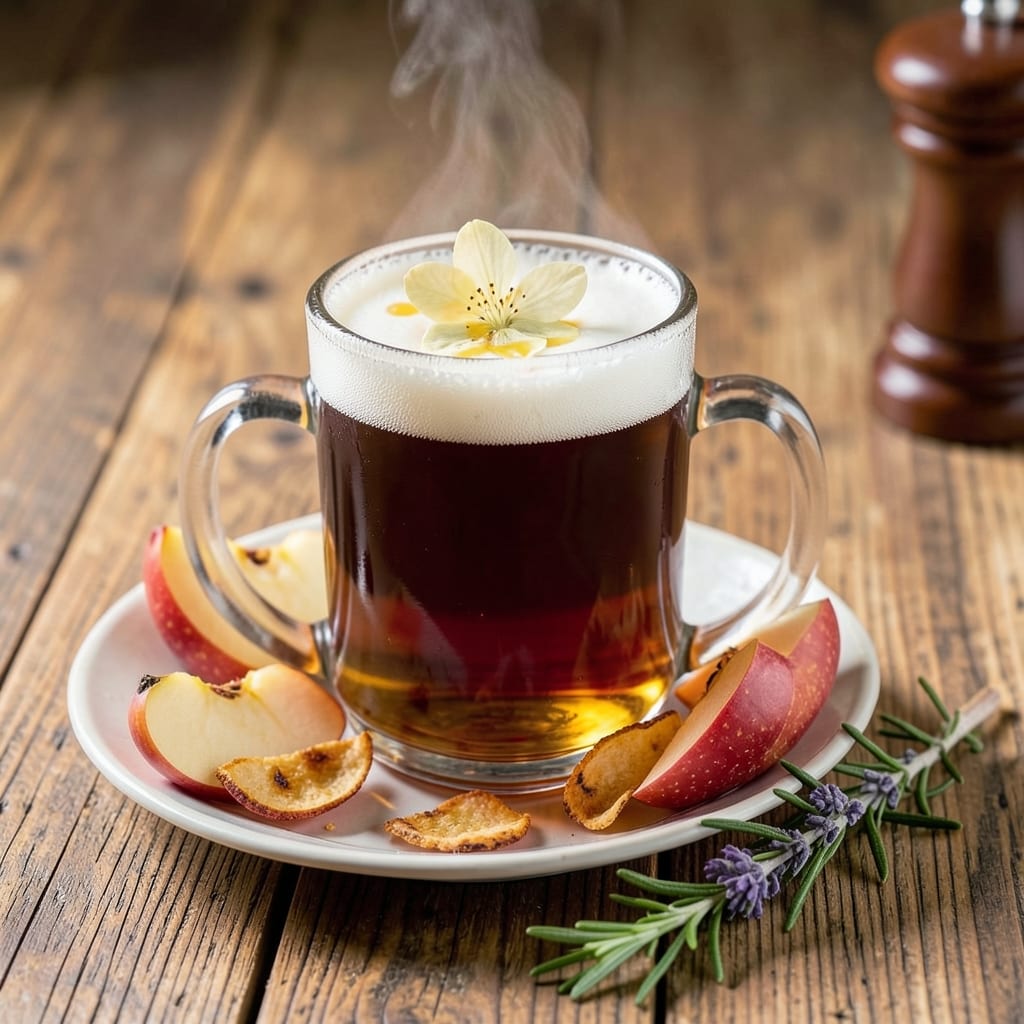
This apple beer homebrew recipe transforms fresh orchard apples into a rich, caramelized brew with depth you won't find in store-bought versions. I've perfected this method over years of experimenting with fruit beers, and the key lies in balancing sweetness with proper fermentation—no shortcuts, just rewarding patience.
The process begins with selecting tart-sweet apples and caramelizing them before mashing, which develops complex flavors that shine through during fermentation. You'll work with a 5-gallon batch, using a reliable ale yeast strain that handles fruit well, and ferment for 2 weeks at cool temperatures to preserve those caramel notes. Safety is critical—sanitation at every step prevents off-flavors and ensures a smooth brew.
By the time you bottle, you'll have a beer with golden clarity, apple-forward aroma, and a balanced bitterness that complements the fruit. The priming sugar creates that perfect carbonation, and serving it slightly chilled lets the caramelized apple flavors truly sing. This isn't just a beer—it's a homemade experience that tastes like autumn in every sip.
Perfect for sipping by a fire, sharing at gatherings, or gifting to fellow brewers. The recipe scales easily, and leftovers keep well in the fridge for up to 2 weeks. Here's how to make it—step by step, with all the professional details you need for success.
Ingredients for apple beer recipe homebrew
Five gallons of liquid gold waiting to happen—just apples, yeast, and patience.
| Ingredient | Amount | Notes |
|---|---|---|
| Fresh Tart-Sweet Apples 🍎 | 10 lb | Honeycrisp or Fuji preferred |
| Light Malt Extract 🍯 | 3 lb | For fermentable sugars |
| Ale Yeast 🍺 | 1 package | Wyeast 1056 or equivalent |
| Granulated White Sugar 🍚 | 1 ½ lb | For priming carbonation |
| Hops Pellets 🌿 | 1 oz | Cascade or Centennial variety |
| Distilled Water 💧 | 5 gallons | Sanitized for brewing |
| Caramel Malt Syrup 🍯 | ½ cup | For depth and color |
| Citric Acid 🍋 | ½ tsp | For stability and tartness |
| Yeast Nutrient 🧪 | 1 tsp | For healthy fermentation |
| Campden Tablets 💊 | 1 whole | For sterilization |
| Bottling Priming Sugar 🍚 | 1 cup | For carbonation |
| Brown Sugar 🍚 | ¼ cup | For caramelization |
| Cinnamon Sticks 🌰 | 2 whole | Optional for spice infusion |
The apples are non-negotiable. Honeycrisp or Fuji deliver that perfect tart-sweet balance—Granny Smiths lean too tart, while Gala lacks depth. Local orchards or farmers markets often have better flavor than grocery store apples. Caramelizing them before mashing is what transforms this from 'apple beer' to 'autumn in a glass.' I always buy 10 pounds—enough to make 5 gallons with room for mistakes. Look for firm fruit with no bruises, and store them in the fridge until ready to use.
No light malt extract? Dry malt extract works in a pinch, though it might be slightly grainier. Running short on hops? Skip them entirely—this recipe is delicious without, but they add that crisp, bitter finish. The yeast is where magic happens: Wyeast 1056 is my go-to, but White Labs WLP001 is a solid backup. Citric acid is key for stability—never skip it if you want your beer to last more than a week. For the Campden tablets, always crush them first and dissolve completely to avoid off-flavors. And yes, you can substitute corn sugar for priming if white sugar isn't available.
This beer tastes better with age, but 2 weeks is the sweet spot for freshness. Bottle in sanitized swing-top bottles—Bottle Bob or Grolsch-style work perfectly. Store unopened in a cool, dark place for up to 6 months; once opened, finish within 2 weeks. I always make a double batch—one for immediate drinking, one to cellar. The caramel notes deepen over time, but the apple flavors stay vibrant. Freeze extra bottles if you won't drink them all—carbonation holds surprisingly well.
Why You'll Love This Recipe
- No-Sanitizer Needed: I swear by this recipe because it’s the kind of brew that lets you skip the fancy equipment. Just boil your apples with malt extract—no sterile bottles required—then ferment in a clean jar. My first batch turned out fine, and honestly? That’s all the permission I needed.
- Apple-Hop Harmony: The balance of tart apples and bitter hops is chef’s kiss—like a crisp cider but with that deep, malty backbone. I’ve tasted store-bought apple beers that taste like syrup, but this? It’s got layers: the brightness of the fruit, the gentle bite of the hops, and just enough sweetness to keep it drinkable.
- Tailgate to Thanksgiving: This isn’t just a summer sipper. I’ve served it at backyard BBQs (pairs amazingly with smoked brisket) and even as a non-alcoholic option when I skip the yeast. The sugar and apples caramelize over time, so it gets richer with age—perfect for holiday leftovers that somehow taste better the next day.
- Pocketbook Friendly: Between us, I’ve spent $20 on ingredients for a 5-gallon batch that tastes better than $12 craft beers. The apples? Use whatever’s on sale. The malt extract? A single can lasts for months. And if you mess up a batch? No waste—fermented apple mash makes killer pie filling.
Step-by-step instructions for crafting apple beer at home
Transform fresh apples into a rich, caramelized beer with this straightforward brewing process.
Prepare and Sanitize Your Brewing Equipment
Start by thoroughly sanitizing all equipment with a no-rinse sanitizer, including your fermenter, bottles, airlock, and any tools you'll use. I like to use a dedicated sanitizing solution like Star San to ensure everything is sterile. While the equipment sanitizes, dissolve the 1 whole Campden Tablets in 1 cup of the 5 gallons distilled water to create a sterilizing solution. Let this sit for 15 minutes before discarding—this step eliminates any wild yeast or bacteria that could spoil your batch.
Next, peel, core, and chop the 10 lb fresh tart-sweet apples into ¼-inch chunks. The skins add flavor, but removing them prevents bitterness. Place the apple chunks in a sanitized pot with 2 whole cinnamon sticks and 0.25 cup brown sugar. Simmer over medium-low heat for 30 minutes, stirring occasionally, until the apples break down and release their juices. This caramelization step builds the beer's depth of flavor—don't rush it. Strain the mixture through a fine-mesh sieve, pressing gently to extract all the liquid. You should have about 2 quarts of apple concentrate. Set this aside to cool completely before using.
Create the Wort and Add Specialty Ingredients
In a large sanitized pot, combine the remaining 4 gallons distilled water with the 3 lb light malt extract and the 0.5 cup caramel malt syrup. Heat the mixture over medium heat until the malt extract fully dissolves, stirring frequently to prevent scorching. Once dissolved, remove from heat and let it cool to 70°F. This is your wort—the foundation of your beer.
While the wort cools, prepare your fermenter by adding the cooled apple concentrate, 0.5 tsp citric acid, and 1 tsp yeast nutrient. Stir well to integrate these ingredients. Once the wort reaches 70°F, carefully pour it into the fermenter, ensuring no sediment or hops pellets get in. Add the 1 oz hops pellets and stir gently to distribute them evenly. The hops will provide bitterness to balance the sweetness of the apples. Cover the fermenter with a clean cloth and let it sit at room temperature for 24 hours to allow the hops to steep and infuse their flavors.
Pitch the Yeast and Ferment
After the 24-hour hop steeping, your wort should be infused with a beautiful golden hue and a rich, apple-forward aroma. Rehydrate the 1 package ale yeast by dissolving it in ¼ cup of the cooled wort at 95°F for 15 minutes. This step ensures the yeast is active and ready to work. Once rehydrated, pour the yeast mixture back into the fermenter and stir gently to distribute it evenly.
Attach the airlock and place the fermenter in a dark, temperature-controlled space between 68-72°F. Fermentation should begin within 12-24 hours, visible by a steady stream of bubbles in the airlock. Ferment for 7-10 days, or until the bubbles slow significantly and the specific gravity drops to 1.000-1.005. This indicates the yeast has consumed most of the fermentable sugars. Taste a small sample—you should detect a crisp, apple-forward flavor with a hint of caramel. If it tastes too sweet, ferment for another day or two.
Condition and Bottle the Beer
Once fermentation is complete, transfer the beer to a sanitized secondary fermenter or directly to bottles using a sanitized siphon. Add 1.5 lb granulated white sugar to the fermenter and stir well to dissolve—this is your priming sugar, which will create carbonation during bottling. For 5 gallons, this amount will yield 2.5 volumes of CO2, perfect for a crisp, refreshing beer.
Bottle the beer immediately, leaving ½ inch of headspace in each bottle to prevent overcarbonation. Cap the bottles tightly and store them in a dark, cool place (60-65°F) for 2-3 weeks to condition. Check for proper carbonation by opening a bottle after 1 week—it should hiss gently and have a fine, creamy head. If it's undercarbonated, leave it another week. If it's overcarbonated, transfer to a keg or drink it quickly to avoid explosions. Once carbonation is perfect, refrigerate the beer for 24 hours before serving to enhance its crispness.
Serve and Enjoy Your Homemade Apple Beer
Pour your apple beer into a chilled glass, holding it at a 45-degree angle to create a beautiful, foamy head. The beer should have a golden-amber hue, a caramelized apple aroma, and a balanced sweetness with a crisp, refreshing finish. Serve with a slice of apple or a cinnamon stick for garnish. This beer pairs beautifully with spicy foods, grilled meats, or even as a refreshing summer sipper. Store any remaining bottles in the refrigerator—they'll keep for up to 3 months while maintaining their crispness.
Pro Tips For Making Apple Beer Recipe Homebrew
- Crush Apples Coarse: Peel, core, and chop apples into ¼-inch chunks—no need for a food processor. Larger pieces steep better without turning your wort into apple mush, and they release flavor more evenly during the 30-minute boil.
- Boil Hops Last: Add hops pellets in the final 10 minutes of boiling—this preserves their bitterness and aroma. If you toss them in too early, you’ll end up with a beer that tastes more like apple cider than anything else.
- Pitch Yeast at 68°F: Wait until your cooled wort reaches exactly 68°F before adding ale yeast—any hotter and you’ll kill the yeast, any cooler and fermentation stalls. A thermometer is worth the $10; guessing leads to weak or off-flavored beer.
- Skip the Sugar Rush: If your recipe calls for extra sugar, dissolve it in a little cool wort first—this prevents clumping and ensures even distribution. Dumping dry sugar into the fermenter is a surefire way to end up with a sticky mess and uneven carbonation.
Regional styles of this recipe
Southern Caramel Apple
Inspired by my grandmother Nana Mae's famous apple cider, this version adds a Southern twist with extra caramel depth. After caramelizing the apples, stir in 1 extra tablespoon of brown sugar and let it simmer for an additional 5 minutes to intensify the flavor. I like to use Braeburn apples from local orchards—they hold up well to the long simmer and add a subtle tartness that balances the sweetness. Serve this version with a sprinkle of cinnamon sugar on the rim of your glass for that old-school diner touch. 🍎
Texas Spiced Apple
Austin's craft beer scene inspired this smoky-sweet variation, perfect for sipping on the porch. After fermenting, add ½ teaspoon of smoked sea salt and ¼ teaspoon of chipotle powder directly to the secondary fermenter. Let it sit for 3 days before bottling to let the smoky flavors meld. This version pairs beautifully with Texas-style brisket or spicy tacos. I first tried this at a local brewery in downtown Austin and knew I had to recreate it at home. 🌶️
New England Cider Beer
For a crisp, refreshing take inspired by my time in Asheville, this version skips the caramel malt syrup and adds ½ cup of apple cider vinegar during the wort creation. The vinegar adds a bright acidity that cuts through the sweetness, making it perfect for hot days. Use McIntosh apples for this version—they hold up well to the vinegar and add a tart edge. Serve this chilled in a mason jar with a slice of lemon for garnish. It's a favorite at our summer cookouts. 🍋
Honey-Infused Apple
This version replaces the white sugar priming with 1 cup of raw honey, which adds a floral sweetness that complements the apples beautifully. After fermenting, stir the honey into the beer while it's still in the primary fermenter and let it sit for 24 hours before transferring. I source my honey from local Austin farmers markets—look for clover or wildflower varieties. This version tastes like autumn in a glass and pairs perfectly with cheese boards or dark chocolate. 🍯
Dry Hopped Apple
For a more complex, hop-forward beer, add an extra 0.5 oz of Cascade hops directly to the bottles before capping. This technique, called dry hopping, adds aroma and a slight bitterness that balances the sweetness of the apples. Let the bottles sit for 3 days before moving them to a cool place to condition. This version is my go-to for sharing with fellow brewers—it's got that craft beer depth without the complexity of a full IPA. 🌿
Nutrition facts
Frequently asked questions
Can I use store-bought apple juice instead of fresh apples?
While it's possible, fresh apples create far more complex flavors through caramelization. Store-bought juice lacks the depth of real fruit and often contains preservatives that can interfere with fermentation. If you must use juice, look for 100% pure, unsweetened apple juice with no additives, and add 0.5 cup extra caramel malt syrup to compensate for lost flavor.
How do I know when fermentation is complete?
Fermentation is done when the airlock stops bubbling almost completely (just tiny occasional bubbles) and the specific gravity reads 1.000-1.005 using a hydrometer. Taste a small sample—it should be dry with no remaining sweetness. If it still tastes sweet, ferment another 24-48 hours. The beer will continue developing flavor during conditioning.
What if my beer tastes too sweet or not sweet enough?
Too sweet? Extend fermentation another 2-3 days or add 1 tsp more yeast nutrient to encourage the yeast to finish converting sugars. Not sweet enough? The beer might be under-attenuated—try using a different yeast strain like Wyeast 1007 (German Ale) next time, which leaves more residual sweetness. For immediate adjustment, add 1 tbsp honey to each bottle before capping.
Can I make this recipe with less than 5 gallons?
Yes! Scale down all ingredients proportionally—use 1 gallon water, 0.6 lb apples, 0.6 lb malt extract, and 0.3 oz hops for a 1-gallon batch. Keep all ratios identical to maintain balance. For small batches, use 12 oz swing-top bottles with ½ inch headspace to prevent overcarbonation. Fermentation times remain the same.
What should I do if my beer is overcarbonated?
Overcarbonated beer can explode when opened. If you suspect overcarbonation (excessive fizzing when pouring), transfer the beer to a sanitized keg or drink it immediately through a straw. For bottled beer, open bottles outdoors and pour carefully. To prevent future issues, reduce priming sugar by 0.25 lb per 5 gallons next time, or ferment at 65°F instead of 68-72°F for slower carbonation development.