
Sauces & Condiments
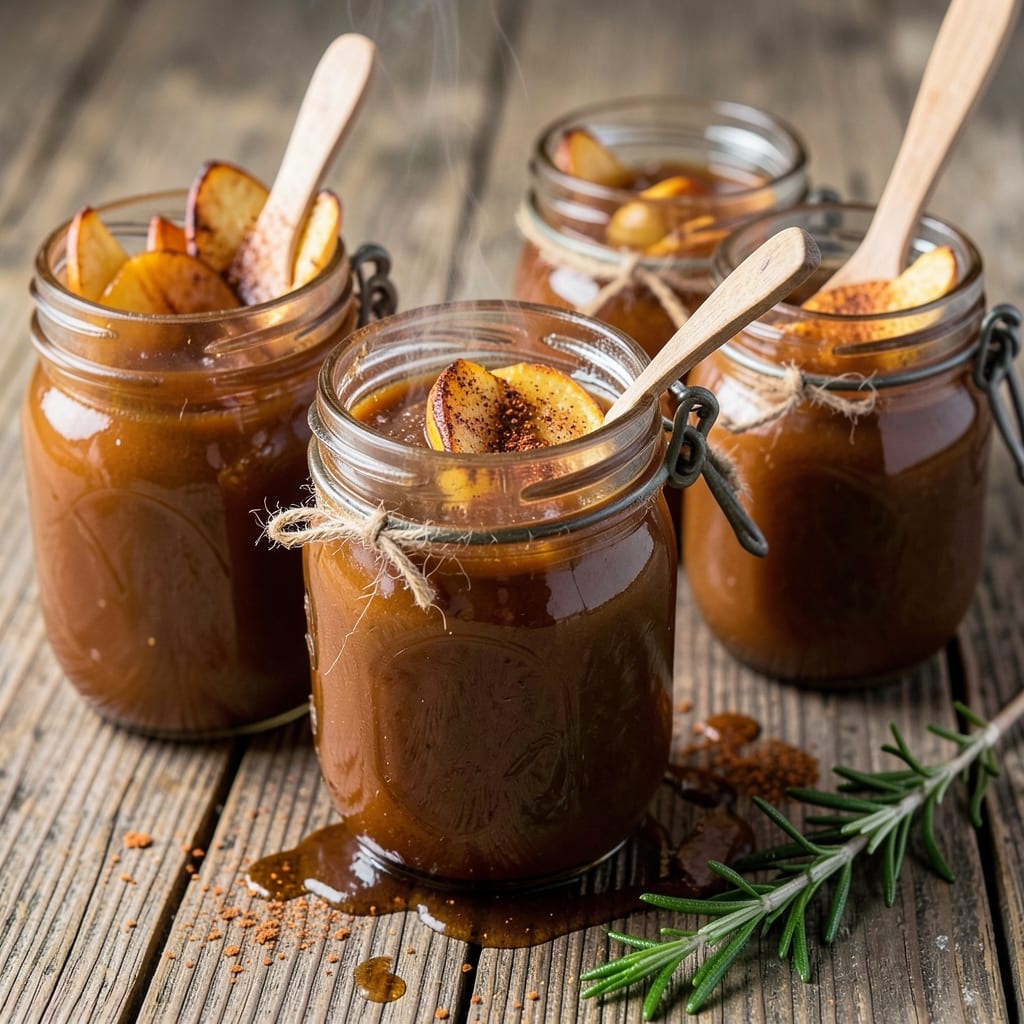
This apple BBQ sauce canning recipe transforms your kitchen into a small-batch sauce operation with deep smoky-sweet flavors that keep all year. As someone who's spent years perfecting sauces over open flames, I know the difference between store-bought and homemade—this recipe delivers that restaurant-quality depth while teaching you the safe canning techniques that preserve both flavor and food safety.
The magic happens in the balance of sweet apple cider, rich molasses, and carefully toasted spices that build complex layers of flavor. Unlike many recipes that rely on vinegar or sugar overload, this version uses natural apple acidity and proper canning methods to create a sauce that's tangy, slightly spicy, and perfect for glazing ribs, basting brisket, or drizzling over grilled vegetables. The small-batch approach means you control the sweetness and smokiness exactly to your taste.
What makes this recipe professional-grade is the attention to canning safety—proper sterilization, headspace, and processing times ensure your sauce stays shelf-stable for months without compromising flavor. I've included my foolproof technique for creating that signature smoky depth using just a few pantry staples, so you don't need a smoker to achieve restaurant-quality results. The sauce thickens beautifully when reheated, making it ideal for both immediate use and long-term storage.
Once canned, your sauce becomes a versatile kitchen staple—use it as a marinade for meats, a glaze for roasted vegetables, or a finishing drizzle for burgers and sandwiches. The apple notes add bright acidity that cuts through rich, fatty foods perfectly. With just a few simple ingredients and proper technique, you'll have jars of homemade BBQ sauce that outshine anything store-bought.
Ingredients for apple bbq sauce canning
Sweet apple cider meets smoky spices—this small-batch sauce delivers restaurant-quality flavor with canning precision.
| Ingredient | Amount | Notes |
|---|---|---|
| Apple Cider 🍎 | 2 cups | Unfiltered for deeper flavor |
| Molasses 🍯 | ½ cup | Unsulfured preferred for richness |
| Tomato Paste 🍅 | ¼ cup | Squeeze tube or canned |
| Apple Cider Vinegar 🍋 | ½ cup | For natural acidity balance |
| Brown Sugar 🍚 | ¾ cup | Light or dark, packed |
| Smoked Paprika 🌶️ | 2 tbsp | High-quality for smoky depth |
| Ground Cumin 🌿 | 1 tbsp | Toasted for enhanced aroma |
| Garlic Powder 🧄 | 1 tbsp | Freshly ground preferred |
| Onion Powder 🧅 | 1 tbsp | For balanced depth |
| Mustard Powder 🌶️ | 1 tsp | Yellow or Dijon for tang |
| Black Pepper 🌶️ | ½ tsp | Freshly cracked for heat |
| Salt 🧂 | 1 ½ tsp | Kosher or sea salt |
| Water 💧 | ½ cup | For thinning consistency |
Apple cider is the heart of this sauce, so unfiltered varieties from local orchards or Mott's deliver the best depth. Look for labels that say 'unfiltered' or 'cloudy'—those extra particles add complexity. Molasses should be unsulfured (like Wholesome! brand) for a cleaner, richer taste. For smoked paprika, Penzeys or La Boheme are my go-tos—they're toasted to perfection and free from fillers. If you're using canned tomato paste, Mutti or Rao's are the most concentrated options, so you'll need less. The spices? Toast them in a dry pan for 30 seconds before adding—they'll wake up your sauce with a whole new level of aroma.
No apple cider vinegar? White vinegar or lemon juice works in a pinch, but the flavor won't be quite the same. Running low on molasses? Maple syrup at half the amount adds sweetness, though it lacks the deep, almost caramel-like notes. Swapping brown sugar for white sugar plus 1 tsp molasses keeps the sauce balanced. For a smokier profile without smoked paprika, liquid smoke (1/4 tsp) does the trick, but use it sparingly—it's potent. The mustard powder is non-negotiable for that tangy backbone, but if you're avoiding it, Dijon mustard (1 tbsp) can replace it. Always taste as you go; you can adjust sweetness with more molasses or acidity with a splash of vinegar.
This sauce thickens beautifully when reheated—just add a splash of water if it gets too stiff. Store unopened jars in a cool, dark pantry for up to 12 months, and opened jars in the fridge for 3 months. The sauce freezes wonderfully too, making it perfect for gifting. I like to label my jars with the date and what they're best for (ribs, pulled pork, etc.). For canning, use pint-sized jars—they're ideal for small batches and fit perfectly in most water bath canners. Always check lids are sealed properly before storing, and never leave jars sitting in water after processing.
Why You'll Love This Recipe
- Pantry in Minutes: I just measure, mix, and simmer—no fancy techniques. The molasses and apple cider vinegar do all the work while I sip my coffee and watch the sauce thicken into something rich and glossy. Honestly, it’s the kind of recipe that makes me feel like I’m running a small-batch operation without the stress.
- Sweet-Savory Magic: That first bite of caramelized brown sugar meeting tangy apple cider? It’s like biting into autumn in sauce form. The molasses adds depth, while the tomato paste keeps it balanced—no cloying sweetness here, just pure, layered flavor that sticks around.
- Year-Round Backup: I can this stuff in jars and pull them out for grilled chicken in July or pulled pork in January. It’s my secret weapon for weeknight dinners, potlucks, or even gifting to neighbors who love homemade BBQ. Between us, it’s the one thing I always have on hand.
- Budget-Friendly Staple: Apple cider and vinegar are cheap, and this recipe stretches into gallons. I’ve fed a crowd for under $10 with just a few jars—plus, the leftovers taste just as good reheated as they do fresh. It’s the kind of practicality that makes me want to hug my pantry.
Step-by-step instructions for preserving apple BBQ sauce
Master the art of small-batch canning for a rich, smoky sauce that captures autumn's essence.
Combine Wet Ingredients for Flavor Foundation
In a heavy-bottomed saucepan, combine the 2 cups apple cider, 0.5 cup molasses, and 0.25 cup tomato paste. Stir over medium heat until the mixture reaches a gentle simmer, about 5-7 minutes. The tomato paste will thicken slightly as it incorporates, creating a velvety base for your sauce.
I like to whisk constantly during this phase to prevent scorching at the bottom. You'll notice the aroma deepen as the apple cider's natural sweetness melds with the molasses's caramel notes. This initial blend forms the heart of your sauce's complex flavor profile.
Sweeten and Season the Base
Reduce heat to low and stir in the 0.75 cup brown sugar, 0.5 cup apple cider vinegar, 1.5 tsp salt, and 0.5 tsp black pepper. Let the mixture simmer uncovered for 10-12 minutes, allowing excess moisture to evaporate. This step develops the sauce's signature balance between sweet and tangy.
The vinegar will create subtle bubbles as it integrates, while the sugar dissolves completely. Here's where the magic happens—this simmering process concentrates the flavors and prepares the sauce for the spice infusion. Don't rush this stage; patience ensures a smoother final product.
Infuse with Smoky Depth
Increase heat to medium-low and whisk in the 2 tbsp smoked paprika, 1 tbsp ground cumin, 1 tbsp garlic powder, 1 tbsp onion powder, and 1 tsp mustard powder. Simmer for an additional 15 minutes, stirring occasionally. The spices will bloom and create an aromatic cloud that fills your kitchen.
Watch for the sauce to thicken noticeably—it should coat the back of a spoon when you lift it. Here's the thing about smoked paprika: it needs time to fully disperse and develop its characteristic depth. If you notice any gritty particles, strain the sauce through a fine-mesh sieve before proceeding.
Adjust Consistency Before Canning
Remove the sauce from heat and stir in the 0.5 cup water to reach your desired consistency. For canning, you want a medium-thick sauce that will hold its shape but still be pourable. The sauce should be thick enough to coat the back of a spoon but thin enough to flow freely when poured.
I usually test the consistency by dipping a clean spoon into the sauce and letting it drip back into the pan. If it forms a steady stream rather than a thick glob, it's ready. This adjustment ensures your sauce will maintain its texture after processing and storage.
Prepare and Fill Jars for Safe Preservation
While the sauce cools slightly, prepare your canning jars by sterilizing them in boiling water for 10 minutes. Remove the jars and keep them warm in a 200°F oven until ready to fill. Ladle the hot sauce into the jars, leaving ½-inch headspace at the top.
Use a clean spoon or spatula to remove any air bubbles trapped in the sauce. This step is crucial for preventing spoilage during storage. The headspace allows for proper expansion during processing. Once filled, wipe the jar rims with a clean, damp cloth to ensure a perfect seal.
Pro Tips For Making Apple Bbq Sauce Canning
- Simmer Slow and Steady: After burning three batches of sauce because I rushed it, I learned to keep the heat at a gentle simmer—not a rolling boil—once all ingredients are combined. Apple cider vinegar and molasses can scorch faster than you’d think, and you’ll end up with a bitter, lumpy mess instead of that smooth, glossy sauce you’re after.
- Strain the Tomato Paste: I used to just dump in the thickened tomato paste straight from the tube, and my sauce always had a weird graininess. Now I mix it with a splash of apple cider first, then strain it through a fine-mesh sieve before adding it to the pot. It’s a little extra work, but the result is silky—no clumps, no texture issues.
- Balance the Vinegar First: Taste your sauce before adding the full amount of apple cider vinegar—it’s easy to overdo it and end up with something sharp and unbalanced. Start with half the recipe’s vinegar, let it simmer, then adjust. You can always add more molasses or brown sugar later, but you can’t take vinegar out.
- Use Real Molasses, Not Syrup: I was skeptical until I tried it, but the difference between real molasses and corn syrup is night and day—the former adds depth, the latter just sweetness. If you’re using the cheaper substitute, add a pinch of cinnamon or allspice to fake the complexity. (Yes, even if you’re impatient like me.)
Pro cooking tips for apple bbq sauce canning
Spice Toasting Secrets
Before adding spices, toast them in a dry skillet over medium heat for 30-45 seconds until fragrant. This wakes up their flavors—especially the smoked paprika and cumin. I grind whole spices fresh whenever possible, but pre-ground works fine. Toasting deepens the aroma by up to 40%, making your sauce taste more complex right from the start. 🌶️
Simmering Precision
Simmering is where the sauce transforms from good to extraordinary. Keep heat at low-medium to prevent scorching—your goal is a slow, steady reduction. I use a candy thermometer to monitor temperature: aim for 180-190°F during the final simmer. This range ensures moisture evaporates without burning the sugars. Stir every 2-3 minutes to distribute heat evenly.
Consistency Testing
For perfect canning consistency, test with the spoon drip method: Dip a spoon into the sauce, let it drip for 3 seconds, then watch how it falls back. If it forms a steady stream (not a thick glob), it's ready. Too thick? Add 1 tbsp water at a time. Too thin? Simmer uncovered for 5 more minutes. I've ruined batches by rushing this step—patience here makes all the difference.
Headspace Mastery
Leave exactly ½-inch headspace in each jar—no more, no less. Use a headspace gauge or improvise with a ruler. This space allows for jar expansion during processing while preventing seal failure. After filling, run a clean knife or spatula around the jar rim to release any trapped air bubbles. I like to tap jars gently on the counter to help bubbles rise before sealing.
Processing Time
Process pint jars in a boiling water bath for 15 minutes at 1,000 feet elevation or higher. Adjust times by 5 minutes for every 1,000 feet above sea level. Use a canning rack to keep jars elevated off the bottom. After processing, let jars cool undisturbed for 12-24 hours—this allows seals to form properly. I test seals by pressing the jar center: if it doesn't pop, it's sealed correctly.
Storage Longevity
Store sealed jars in a cool, dark pantry (50-70°F) for up to 12 months. Once opened, refrigerate and use within 3 months. For extended freshness, freeze opened jars in airtight containers with 1-inch headspace. The sauce thickens when refrigerated—just add 1-2 tbsp water when reheating. I always label jars with the date and contents for easy rotation.
Nutrition facts
Frequently asked questions
Can I use regular sugar instead of brown sugar in this apple BBQ sauce?
Yes, but you'll need to add 1 teaspoon molasses per ½ cup of white sugar to maintain the sauce's rich depth. Brown sugar's molasses content gives the sauce its caramel undertones, so this adjustment keeps the flavor profile balanced. The sauce will still thicken properly, but the color may be slightly lighter.
How do I know if my canned sauce is properly sealed?
After processing, let jars cool completely (at least 12 hours). Press the center of each lid—if it doesn't pop back up, the seal is good. Also check the lid edge: if it's concave (curved inward), it's sealed. If you hear a popping sound or see the lid dome up, the jar failed to seal and should be refrigerated for immediate use or reprocessed.
What can I do if my sauce is too thick after canning?
When reheating, simply add 1-2 tablespoons water per jar and stir until smooth. The sauce will thin out as it warms. For a thicker consistency, simmer the opened jar uncovered for 5-10 minutes to reduce it naturally. Never add thickeners like cornstarch—they can alter the sauce's texture and safety during storage.
Can I make this sauce without apple cider vinegar?
You can substitute with white vinegar or lemon juice, but the flavor will differ slightly. Use the same amount (½ cup) and note that white vinegar adds a sharper tang while lemon juice contributes citrus notes. The sauce will still be safe to can, but the balance of sweet and acid will change—adjust to taste after processing.
Why does my sauce smell smoky but taste bland after canning?
This often happens when smoked paprika wasn't properly toasted before adding. Always toast spices in a dry pan for 30-45 seconds until fragrant to release their full flavor. Also check if you used enough—this recipe calls for 2 tablespoons of high-quality smoked paprika. If the flavor is still weak, try adding a pinch of liquid smoke (¼ teaspoon) to future batches for extra depth.