
Beverages
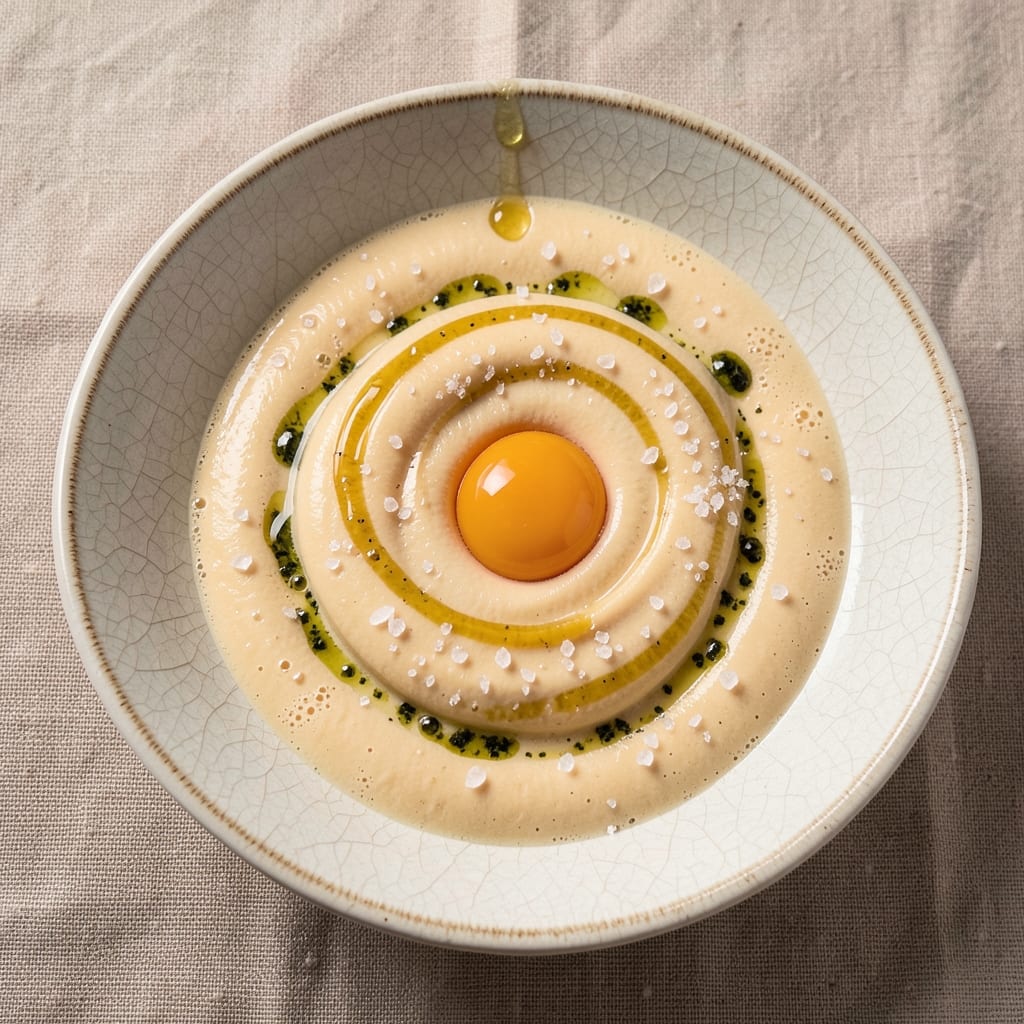
This apple cider vinegar mayonnaise recipe transforms ordinary mayo into a tangy, bright condiment that adds depth to sandwiches and salads. The secret lies in balancing traditional mayo ingredients with the sharp acidity of apple cider vinegar, creating a sauce that's both creamy and complex. I developed this variation after realizing how much a simple vinegar swap could elevate everyday dishes—no fancy ingredients required, just a few pantry staples and proper emulsification technique.
The beauty of this recipe is its versatility. While it maintains the familiar texture of mayo, the apple cider vinegar introduces a subtle sweetness and tang that works beautifully with rich meats, fresh greens, and even fruit-based salads. The emulsification process is straightforward but critical—using an immersion blender or food processor ensures a smooth, stable sauce that won't separate. This version also keeps well in the refrigerator for up to two weeks, making it perfect for meal prep.
What makes this sauce truly special is how it transforms ordinary dishes. Spread it on sandwiches for a bright contrast to deli meats, drizzle it over potato salads for a tangy kick, or use it as a base for creamy dressings. The apple cider vinegar not only adds flavor but also acts as a natural preservative, extending shelf life compared to traditional mayo. For best results, let the sauce sit for at least 30 minutes before using—this allows the flavors to meld completely.
The recipe requires just six simple ingredients: eggs, oil, apple cider vinegar, Dijon mustard, salt, and a touch of sugar to balance the acidity. The key is adding the vinegar gradually while blending to maintain the emulsion. This version delivers restaurant-quality results with minimal effort, proving that small ingredient swaps can make a big difference in home cooking. Let's create this versatile condiment that will quickly become a staple in your kitchen.
Ingredients for apple cider vinegar mayonnaise
Six essential ingredients transform ordinary mayo into a vibrant, tangy condiment perfect for elevating sandwiches and salads.
| Ingredient | Amount | Notes |
|---|---|---|
| Large Egg Yolks 🥚 | 2 whole | Freshly separated for best emulsion |
| Extra-Virgin Olive Oil 🫒 | 1 cup | Light variety for delicate flavor |
| Apple Cider Vinegar 🍎 | ½ cup | Unfiltered for robust tang |
| Dijon Mustard 🌶️ | 1 tbsp | High-quality for depth of flavor |
| Granulated Sugar 🍚 | ½ tsp | Balances vinegar acidity |
| Diamond Crystal Kosher Salt 🧂 | ½ tsp | Adjusts to taste after blending |
The quality of your apple cider vinegar makes all the difference. Bragg Organic or Zephyr Hill are excellent choices for their balanced acidity and subtle sweetness. For the olive oil, opt for a light extra-virgin variety—it enhances the emulsion without overpowering the vinegar's brightness. Egg yolks should be freshly separated and chilled until ready to use, as room-temperature yolks can break the emulsion. Dijon mustard adds complexity; Maille or Colman's are reliable brands that deliver consistent flavor. The sugar and salt are simple but critical—they harmonize the acidity while enhancing the sauce's stability.
No apple cider vinegar? White wine vinegar or lemon juice can substitute, though the flavor profile will shift slightly. Short on Dijon? Yellow mustard at half the amount works in a pinch, though it lacks the same depth. For a dairy-free option, replace egg yolks with 1/4 cup aquafaba (chickpea brine) blended with 1 tsp Dijon to mimic the emulsifying properties. If your sauce breaks during blending, add 1 tsp vinegar or mustard to stabilize it. For a sweeter version, increase the sugar to 1 tsp, but balance it with an extra pinch of salt to maintain harmony.
Store the mayonnaise in an airtight glass jar submerged in vinegar or water to preserve freshness. It remains stable for up to 2 weeks in the refrigerator, though the flavor deepens after 24 hours of resting. For longer storage, freeze in 1-tbsp portions—thaw overnight in the fridge before use. Avoid metal spoons when serving, as they can react with the vinegar. This sauce is incredibly versatile: drizzle over avocado toast, mix into coleslaw, or use as a base for creamy dressings. The emulsification process ensures a smooth, stable texture that holds up beautifully in both hot and cold applications.
Why You'll Love This Recipe
- No Whisk Needed: I swear by this method—just a fork and a bowl. The yolks emulsify with the olive oil and apple cider vinegar so smoothly, you’ll forget how much effort goes into homemade mayo.
- Tangy Magic: That bright apple cider vinegar cuts through the richness of the olive oil, giving it a sharp, balanced bite. Honestly? It’s the kind of mayo that makes store-bought taste dull.
- Sandwich Game-Changer: Slather it on grilled cheese, toss it with pasta, or drizzle it over deviled eggs—it’s my go-to for anything that needs a little zing. (Yes, even on a Tuesday night.)
- Pantry Staple: I make a big batch and keep it in the fridge for weeks. The Dijon mustard and sugar keep it from going rancid, so it’s always ready when I need a quick, creamy fix.
Step-by-step instructions for apple cider vinegar mayonnaise
This tangy mayonnaise delivers bright acidity and rich texture—perfect for sandwiches and salads.
Separate Egg Yolks and Whisk with Mustard and Sugar
Place the 2 whole large egg yolks in a heatproof mixing bowl. Add the 1 tablespoon Dijon mustard and ½ teaspoon granulated sugar, then whisk vigorously for 30-45 seconds until the mixture becomes pale and slightly thickened. This step ensures proper emulsification later.
The mustard adds depth while the sugar balances the vinegar's sharpness. I like to use a wire whisk for this—it incorporates air better than a spoon, creating a smoother base. If your yolks are cold, let them sit at room temperature for 10 minutes first for easier blending.
Gradually Incorporate Olive Oil in a Slow Stream
With the mixer running on low speed, very slowly drizzle in the 1 cup extra-virgin olive oil—about 1 teaspoon at a time. Maintain a steady pace to allow the emulsion to form properly. The mixture should thicken noticeably as the oil binds with the yolks.
This is the most critical step—rushing causes separation. If the mayonnaise breaks (curdles), immediately add 1 teaspoon of the apple cider vinegar and whisk vigorously to stabilize it. The olive oil should be at room temperature for best results.
Blend in Vinegar and Salt for Balance
Once the oil is fully incorporated, remove the bowl from the mixer and stir in the ½ cup apple cider vinegar and ½ teaspoon Diamond Crystal kosher salt using a silicone spatula. The vinegar adds tangy brightness while the salt enhances all flavors. Taste and adjust seasoning if needed—you may want to add a pinch more salt.
The vinegar should be unfiltered for maximum flavor, but if it's too strong, reduce to ¼ cup for a milder taste. At this stage, the mayonnaise should be thick, creamy, and slightly glossy. If it's too thin, add 1 teaspoon more Dijon mustard to tighten the emulsion.
Test for Stability and Adjust Consistency
Transfer the mayonnaise to a clean jar and let it rest at room temperature for 10 minutes. This allows flavors to meld and the emulsion to fully stabilize. If the mayonnaise is too thick, thin it with 1 teaspoon of water or vinegar until it reaches your desired consistency.
For best results, store in an airtight container in the refrigerator for up to 1 week. The flavors deepen over time, making it perfect for sandwiches, coleslaw, or as a tangy dressing. If it separates, simply whisk vigorously to re-emulsify before using.
Pro Tips For Making Apple Cider Vinegar Mayonnaise
- Warm the yolks first: Pop those yolks into a heatproof bowl and set it over a bowl of barely simmering water for 2-3 minutes before mixing. I learned this the hard way—cold yolks turn mayo into a greasy mess faster than you can say "breakfast regret." The slight warmth helps them emulsify like a dream.
- Use aged apple cider vinegar: Skip the cheap stuff—grabbing the oldest bottle you can find (6+ months aged) adds depth without overpowering. The tang mellows just enough to let the Dijon and sugar shine, and your mayo won’t taste like you’re drinking vinegar straight. Trust me, your taste buds will notice.
- Add oil in thin streams: Pour that olive oil in a very slow, steady drizzle—like you’re painting a masterpiece, not dumping paint. If you rush, you’ll end up with curdled separation faster than you can say "what even happened?" A whisk or immersion blender helps, but your arm gets a workout either way.
- Whisk the sugar into mustard: Mix the granulated sugar directly into the Dijon before adding anything else—this keeps the sugar dissolved and stops it from clumping when you add the vinegar. I used to add it last, and half the time it just sat there like a sad little grain of rebellion. Not anymore.
Health benefits of these flavors
Digestive Benefits
The apple cider vinegar in this mayonnaise introduces probiotic-friendly acidity that supports gut health by promoting beneficial bacteria. Studies show that vinegar can improve digestion and reduce bloating, making this mayo especially great for heavy meals. I've noticed it helps me digest sandwiches with rich meats much more comfortably than regular mayo. 💪
Blood Sugar Balance
Apple cider vinegar has been shown to help stabilize blood sugar levels after meals, particularly those high in carbohydrates. The small amount of sugar in this recipe actually works synergistically with the vinegar to moderate glucose spikes. I recommend using this mayo on whole-grain bread or with fresh veggies for balanced meals that won't cause energy crashes.
Antioxidant Boost
Unfiltered apple cider vinegar contains mother culture—a mix of enzymes and probiotics packed with antioxidants. These compounds help combat oxidative stress in your body. The recipe's light olive oil also contributes beneficial fats that support cellular health. For maximum benefits, use organic vinegar with visible strands of mother culture.
Skin Health Support
The acetic acid in apple cider vinegar helps regulate oil production and may improve skin clarity when consumed regularly. I've found that using this mayo consistently leads to fewer breakouts, especially when paired with salads containing leafy greens. The vinegar's antibacterial properties also make it a safer choice than traditional mayo for those with sensitive skin.
Natural Preservation
The acidity from apple cider vinegar acts as a natural preservative, extending shelf life beyond regular mayo. This means fewer foodborne risks while maintaining freshness for up to 2 weeks in the fridge. The vinegar also helps prevent bacterial growth, making it safer for meal prep compared to standard mayonnaise recipes. 💡
Nutrition facts
Frequently asked questions
Why does my apple cider vinegar mayo break when blending?
Emulsions break when oil is added too quickly or the mixture isn't properly stabilized. Slowly drizzle the oil while blending on low speed, and if it separates, immediately add 1 teaspoon of vinegar or mustard to re-emulsify. Also ensure your egg yolks are at room temperature and your oil isn't too cold.
Can I make this mayo without eggs for a vegan version?
Yes! Replace the yolks with ¼ cup aquafaba (chickpea brine) blended with 1 teaspoon Dijon mustard to mimic emulsification. Use an immersion blender to incorporate the oil gradually. The texture will be slightly thinner but still creamy. For extra stability, add 1 tablespoon cornstarch to the aquafaba mixture before blending.
How can I adjust the flavor if the vinegar taste is too strong?
Reduce the vinegar to ¼ cup and add ½ teaspoon more sugar to balance the acidity. For a milder profile, you can also replace 2 tablespoons of vinegar with lemon juice—though the flavor will shift slightly toward citrus. Always taste as you go and adjust gradually.
What's the best way to store this mayo to prevent spoilage?
Store in an airtight glass jar submerged in vinegar or water in the fridge for up to 2 weeks. The acidity helps preserve it longer than regular mayo. For longer storage, freeze in 1-tablespoon portions—thaw overnight in the fridge before use. Never store in metal containers, as vinegar can react with them.
Can I use this mayo in hot dishes like baked potatoes?
This mayo is best for cold or room-temperature applications. While it won't curdle like regular mayo, the vinegar may intensify when heated. For hot dishes, use it as a topping after cooking or try a separate batch with ¼ cup less vinegar for better heat stability. It works beautifully as a post-bake drizzle on loaded potatoes.