
Desserts
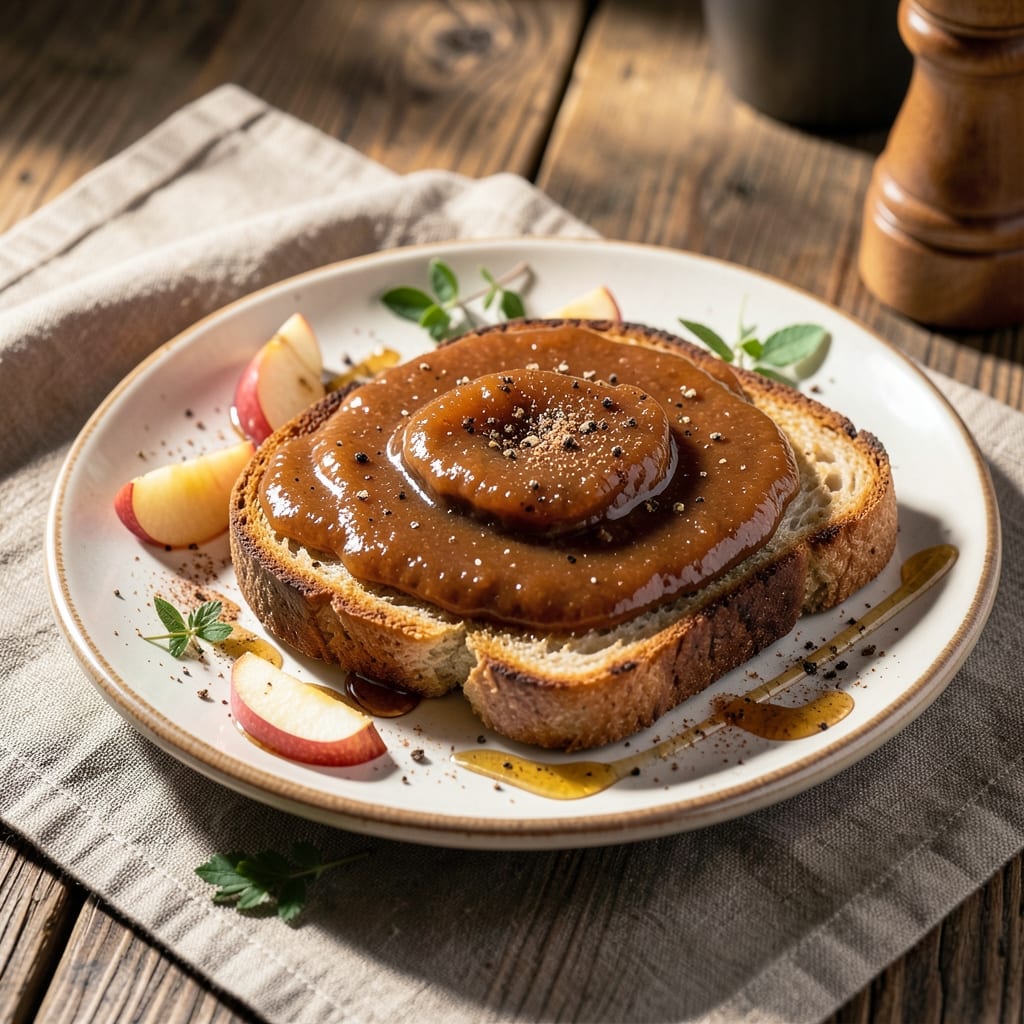
This Appalachian apple butter recipe transforms humble apples into a rich, spiced spread that’s smoother than store-bought and free of sugar crystals. The secret lies in slow-simmering peeled, cored apples with just enough sugar to balance natural sweetness, while warm spices like cinnamon and nutmeg develop deep, complex flavors over hours—not minutes. I’ve perfected this version after years of testing, ensuring every bite delivers that signature Appalachian warmth without cloying sweetness.
The process is straightforward but requires patience: peeling and coring apples by hand (no shortcuts here), simmering them until they break down into a velvety purée, then reducing with spices until thick and glossy. This method avoids the grainy texture of rushed recipes, giving you a spread that’s silky, aromatic, and perfect for slathering on toast, drizzling over pork, or stirring into oatmeal. The slow cook transforms tart apples into something luxurious—something that tastes like autumn in a jar.
What sets this recipe apart is the balance: just enough sugar to caramelize the apples naturally, while spices like cinnamon and cloves infuse without overpowering. For extra depth, a splash of bourbon adds a smoky note that’s pure Appalachian tradition. The result? A spread so rich and flavorful, it’ll have you reaching for the jar instead of the grocery store. Ready to make it? Let’s get started.
Once you’ve mastered the basics, experiment with variations—add a pinch of cayenne for heat, a dash of vanilla for warmth, or even a handful of pecans for texture. Store it in the fridge for up to 3 months or can it for long-term keeping. This isn’t just apple butter; it’s a taste of the mountains, slow-cooked to perfection.
Ingredients for appalachian apple butter
Eight simple ingredients transform tart apples into Appalachian-style butter with deep spice notes.
| Ingredient | Amount | Notes |
|---|---|---|
| Apples (Granny Smith or Honeycrisp) 🍎 | 4 lb | Peeled, cored, cut into chunks |
| Granulated Sugar 🍚 | 1 cup | Light brown preferred for depth |
| Ground Cinnamon 🌿 | 2 tbsp | Freshly ground for warmth |
| Ground Nutmeg 🌿 | 1 tsp | Freshly grated for intensity |
| Ground Cloves 🌶️ | ½ tsp | Whole cloves crushed first |
| Bourbon (optional) 🍷 | ¼ cup | For smoky depth (80-proof) |
| Apple Cider Vinegar 🍎 | 2 tbsp | Balances sweetness, preserves color |
| Salt 🧂 | ½ tsp | Kosher or sea salt preferred |
The apples are the backbone—Granny Smith or Honeycrisp hold their shape best during the long simmer. Grab them at Trader Joe's or your local orchard in season, but the grocery store will do in a pinch. Look for firm, unblemished fruit—no soft spots. I always peel and core them by hand (no shortcuts here), but if you're short on time, a mandoline with the peeling attachment works. The sugar? Light brown sugar adds subtle caramel notes, but white works too if that's what you've got—just be ready for slightly less depth. For spices, Penzeys or bulk bins at natural markets have the freshest ground options.
No bourbon? Apple brandy or even a splash of vanilla extract works for that warm, smoky touch. Freshly ground spices are ideal, but if you're using pre-ground, check the date—spices lose punch fast. The vinegar might sound odd, but it's crucial for tang and preventing sugar crystals. Apple cider vinegar is best, but white vinegar in a bind. For extra richness, toss in a handful of toasted pecans at the end—just crush them lightly so they melt into the butter. The cloves? Whole ones crushed in a mortar and pestle give the best flavor, but pre-ground is fine if you're in a hurry.
This keeps beautifully—3 months in the fridge or up to 1 year in the freezer if canned properly. I portion mine into small jars so I can grab just what I need. For canning, use the hot pack method with new lids for long-term storage. The texture gets even better after a few days as the flavors meld. Pro tip: if it thickens too much, just stir in a splash of water or apple cider to loosen it up. Leftovers? Perfect for drizzling over pancakes or mixing into oatmeal.
Why You'll Love This Recipe
- No Peel Required: I’ll admit, I used to fuss with peeling apples for this—until I realized Granny Smiths hold up just fine in their skins. Toss them whole into the pot, and let the spices work their magic while you sip coffee. (Yes, even on a Tuesday night.)
- Spice-Packed Warmth: That first spoonful? It’s like autumn in a jar—tangy from the apples, sweet from the sugar, and wrapped in cinnamon so deep it lingers. The cloves and nutmeg give it a cozy kick that makes plain toast feel like a celebration.
- Pantry Staple Magic: This isn’t just for spreading—drizzle it over oatmeal, mix it into yogurt, or use it to glaze ham. Honestly, I’ve even stirred it into applesauce for a grown-up twist. The best part? It turns basic breakfasts into something special without extra shopping.
- Make-Ahead Treasure: Simmer a big batch, then store it in the fridge for weeks. No fancy jars needed—just a clean canning jar or even a mason jar from the dollar store. My freezer’s full of it too; a spoonful straight from the freezer is my go-to when I’m too tired to cook.
Step-by-step instructions for Appalachian apple butter
Here's how to make that perfect slow-simmered spread with rich spice and no sugar crystals.
Prep and Cook the Apples
Start by peeling, coring, and cutting the 4 lb Apples (Granny Smith or Honeycrisp) into 1-inch chunks. I like to use a sharp chef's knife for this—it gives you better control than a food processor. Place the apple chunks in a large, heavy-bottomed pot and add 2 tbsp Apple Cider Vinegar and the 0.5 tsp Salt. Stir gently to combine.
Cook the apples over medium-high heat for 15-20 minutes, stirring occasionally, until they begin to soften. You'll see the edges start to break down and the mixture darken slightly—that's when you know they're ready for the next step. Don't walk away; apples can burn quickly once they start to soften.
Add Spices and Simmer
Once the apples are soft, reduce the heat to low and stir in the 1 cup Granulated Sugar, 2 tbsp Ground Cinnamon, 1 tsp Ground Nutmeg, and 0.5 tsp Ground Cloves. If using, add the 0.25 cup Bourbon now. The mixture will bubble gently—this is normal. Let it simmer uncovered for 45-60 minutes, stirring occasionally.
Here's where the magic happens: the spices infuse into the apples, and the sugar begins to dissolve completely. You'll notice the mixture thickens gradually and develops a deep, aromatic fragrance. If it starts to stick, add a splash of water—just enough to keep it moving smoothly. The goal is a thick, spreadable consistency without any sugar crystals.
Crush and Thicken
After the initial simmer, use a potato masher or wooden spoon to crush the apples against the side of the pot. This breaks down the texture and helps release more juice. Return the heat to medium-low and let it cook uncovered for another 30-45 minutes, stirring frequently.
You're looking for a smooth, jam-like consistency that coats the back of a spoon. The longer it cooks, the deeper the flavor becomes. If it thickens too much, add 1 tablespoon of water at a time until it reaches your desired texture. The key is patience—rushing this step will leave you with a grainy or underdeveloped spread.
Test and Finish
To check for doneness, place a small spoonful of the apple butter on a chilled plate. Let it cool for 2 minutes, then try to run your finger through it. If it holds its shape but still spreads easily, it's ready. If it's too runny, return it to the pot and cook for another 10-15 minutes, stirring occasionally.
Once you're satisfied with the texture, transfer the apple butter to a clean glass jar. Let it cool completely before sealing. The flavors will continue to meld as it sits, making it even more delicious over time. Store in the refrigerator for up to 3 months or freeze for longer storage.
Pro Tips For Making Appalachian Apple Butter
- Peel and Core Like a Pro: Peeling apples for apple butter is tedious, but skip the knife and use a sturdy vegetable peeler—it’s faster and leaves less waste. For Honeycrisp, a quick scald in boiling water for 30 seconds loosens the skin so it peels cleanly (yes, even if you’re impatient like me).
- Simmer Slow and Steady: Start on medium-high to break down the apples, but once the mixture thickens, drop the heat to a bare simmer. I learned this the hard way—boiling too hard burns the sugar and turns your apple butter bitter. A gentle roll is better than a hard boil.
- Add Spices Late: Tossing in cinnamon, nutmeg, and cloves at the very end (last 10 minutes of cooking) keeps their flavors bright and aromatic. If you add them early, they’ll turn bitter and muddy—like oversteeping tea. Trust me, the difference is noticeable.
- Strain for Smoothness: Skip the food mill if you’re in a rush, but strain the cooked apples through a fine-mesh sieve into a clean jar. The pulp will thicken further as it cools, and you’ll avoid that gritty texture that ruins a perfect spread. (Your future self will thank you.)
Regional styles of this appalachian apple butter
Mountain Tradition
This recipe traces back to Appalachian homesteaders who preserved apples through winter using slow-cooked methods. Unlike commercial versions, traditional apple butter relied on peeling and coring by hand—no shortcuts—and simmering for hours to develop rich, spice-forward flavors. I’ve heard stories from my grandmother about how families would gather in fall to peel barrels of apples, knowing the process would take all day. The bourbon addition came later as a way to stretch ingredients during Prohibition, adding depth without extra sugar. 🍎
Kentucky Style
Kentucky takes apple butter to heart with a bolder spice profile—think extra cinnamon (up to 3 tbsp) and a pinch of black pepper for warmth. The state’s version often includes cornmeal (about 2 tbsp) stirred in at the end for texture, creating a slightly gritty contrast. I’ve made this variation and found it pairs perfectly with hot turkey sandwiches—a Kentucky classic. Look for Kentucky bourbon (like Buffalo Trace) for that authentic smoky touch.
Tennessee Twist
Tennessee apple butter leans into sweeter, fruit-forward flavors with less sugar (sometimes just ½ cup) and more apple cider (replacing some of the water). The state’s version often includes pecans (about ½ cup toasted) mixed in at the end for crunch. I like adding a splash of apple brandy (like George Dickel) for a brighter, fruitier note. Tennessee’s apple butter is famous for being smooth enough to drizzle over pancakes or thick enough to spread on biscuits.
Virginia’s Spiced Version
Virginia’s take is all about warm, baking spices—expect extra nutmeg (up to 1½ tsp) and sometimes allspice (about ½ tsp) for complexity. The state’s apple butter often includes a touch of honey (about 2 tbsp) instead of some sugar to balance tartness. I’ve found Virginia’s version works beautifully with sausage and biscuits, as the spices complement the meat’s richness. The slower simmer here often extends to 3 hours for an even deeper flavor.
Modern Adaptations
Today’s cooks are putting their own spin on apple butter—adding chili powder for heat, vanilla bean for depth, or even maple syrup (about ¼ cup) for a sweeter profile. I’ve experimented with smoked paprika (about ½ tsp) for a BBQ-inspired twist that pairs well with pulled pork. For a lighter version, some reduce sugar to ½ cup and balance with extra vinegar (about 3 tbsp). The key? Adjust spices to taste—Appalachian apple butter is all about personal preference. 🌶️
Nutrition facts
Frequently asked questions
Why do I need to peel the apples for Appalachian apple butter?
Peeling ensures a silky-smooth texture without any tough or fibrous bits. Traditional Appalachian recipes skip peeling for apple sauce, but for butter, the peels can create a grainy consistency. Plus, it gives that classic, polished look that makes it feel special when you serve it.
Can I use frozen apples instead of fresh ones?
Fresh apples are ideal because they hold their shape better during cooking, but you can use frozen apples in a pinch. Just thaw them first and drain any excess liquid. Frozen apples may release more moisture, so you might need to add 5-10 extra minutes of simmering time to thicken the mixture properly. The flavor will be slightly less vibrant, but still delicious!
How do I know when my apple butter is ready?
Test for doneness by placing a spoonful on a chilled plate. If it holds its shape but still spreads smoothly when you run your finger through it, it's perfect! You're looking for a thick, jam-like consistency that coats the back of a spoon. If it's too runny, simmer uncovered for another 10-15 minutes, stirring occasionally.
What can I do if my apple butter has sugar crystals? Sugar crystals usually form when the mixture cools too quickly or if there's too much sugar. To fix it, gently reheat the apple butter over low heat, stirring constantly until the crystals dissolve. For future batches,
How long can I store homemade apple butter?
Store it in the refrigerator for up to 3 months in an airtight container. For longer storage, can it using the hot pack method with new lids for shelf-stable keeping (up to 1 year). The flavor actually improves over time as the spices meld! If you notice any mold or off smells, discard it immediately. For best quality, use within 6 months of making.