
Desserts
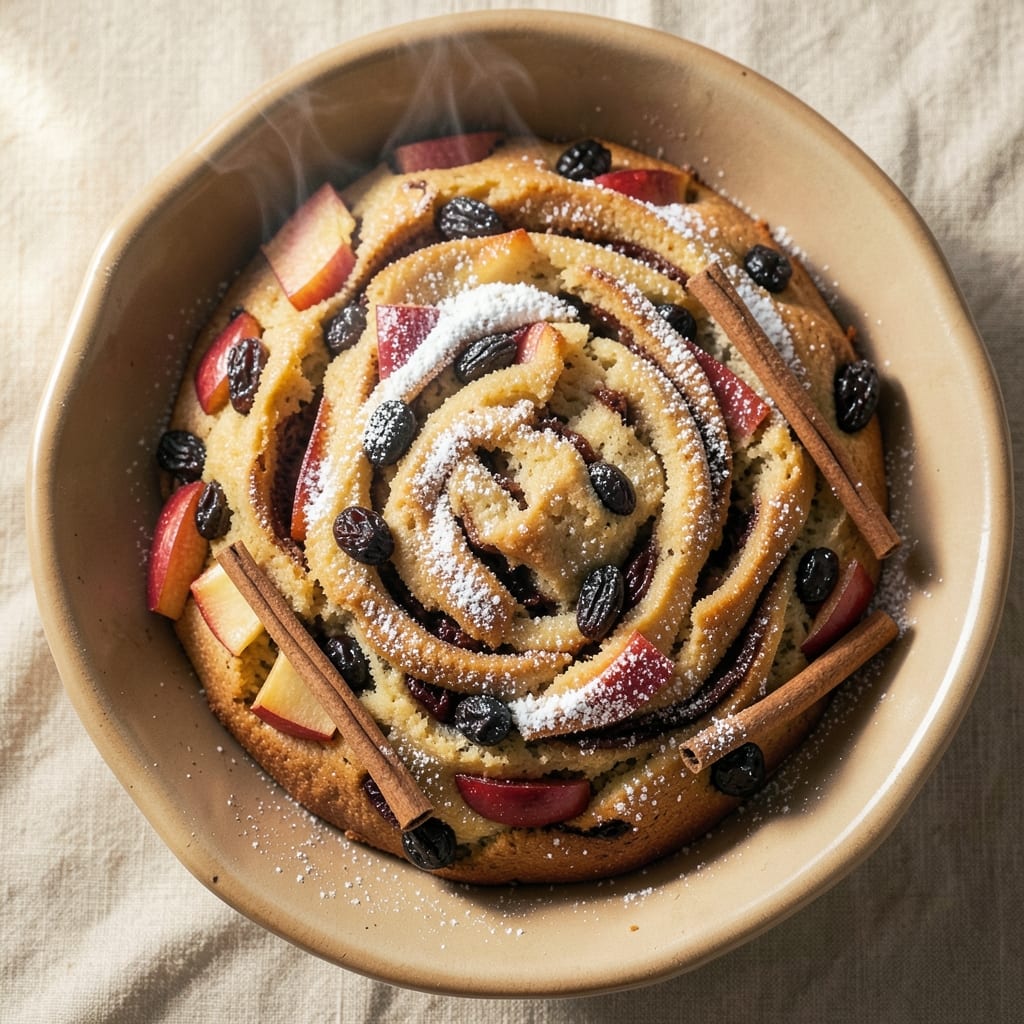
This apple cinnamon raisin bread recipe delivers a homestyle loaf with moist crumb, caramelized raisins, and a buttery streusel top that smells like autumn. The secret lies in balancing tender dough with warm spices—cinnamon and nutmeg—that infuse every bite, while the slow rise develops deep flavor. I’ve baked this exact recipe for Thanksgiving gatherings, and it’s always the first to disappear.
The dough comes together in just 10 minutes with simple ingredients, but the magic happens during the 2-hour rise—this is where the yeast works its magic, creating that perfect airy texture. Raisins plump in warm liquid, and the streusel topping transforms into golden, crunchy clusters. No fancy techniques required, just patience and a warm oven.
What you’ll end up with is a loaf that’s moist and tender inside, with pockets of caramelized raisins and a streusel so buttery it melts in your mouth. The aroma alone will have everyone gathering in the kitchen. Perfect for breakfast, dessert, or gifting—this bread tastes even better the next day.
Optional variations include adding chopped walnuts to the dough or swapping raisins for dried cranberries. For a lighter texture, let the dough rise overnight in the fridge. Here’s how to make it perfectly every time.
Ingredients for apple cinnamon raisin bread
Warm spices, buttery streusel, and plump raisins—this is your autumnal loaf in 10 minutes of prep.
| Ingredient | Amount | Notes |
|---|---|---|
| All-Purpose Flour 🌾 | 4 cups | Sifted for light texture |
| Granulated Sugar 🍚 | ¾ cup | White or light brown |
| Active Dry Yeast 🍞 | 2 ¼ tsp | 1 packet or 2¼ tsp |
| Unsalted Butter 🧈 | ½ cup | Cold, cubed for streusel |
| Milk 🥛 | 1 cup | Warm, 110°F for yeast |
| Large Eggs 🥚 | 1 whole | Room temperature |
| Ground Cinnamon 🌿 | 2 tsp | Freshly ground preferred |
| Ground Nutmeg 🌶️ | ½ tsp | Freshly grated for warmth |
| Salt 🧂 | 1 tsp | Diamond Crystal preferred |
| Raisins 🍇 | 1 ½ cups | Plump, not dried out |
| Granulated Sugar (streusel) 🍚 | ½ cup | For topping |
| Old-Fashioned Oats 🌾 | ½ cup | Blended into flour |
| Light Brown Sugar (streusel) 🍚 | ¼ cup | Packed for moisture |
| Apple Cider 🍎 | ¼ cup | For raisin soaking |
The flour is non-negotiable here—King Arthur or Gold Medal bakers' flour gives the best rise. If your raisins look shriveled, soak them in warm apple cider for 10 minutes before adding to the dough—plump raisins make all the difference. For the yeast, Bob’s Red Mill active dry works perfectly, but check the expiration date—old yeast won’t activate. The cinnamon should be freshly ground if possible, or at least from a spice jar you’ve opened within the last month. Nutmeg can be tricky; if you’re using pre-ground, toast it lightly in a dry pan for 30 seconds to wake up the flavor.
No apple cider? Orange juice or warm water with a splash of vanilla works in a pinch. Raisins too expensive? Dried cranberries or chopped dates add a similar chewy texture. The streusel topping can be made with rolled oats instead of old-fashioned if that’s what you have, but blending the oats into flour first creates a finer crumb. For a deeper spice profile, add a pinch of cardamom or cloves to the dough. The butter in the streusel should be cold but not rock-hard—cut it into small cubes and let it sit at room temperature for 10 minutes before mixing.
This dough is best made a day ahead—let it rise overnight in the fridge for a lighter crumb. Once baked, the bread keeps 3 days at room temperature wrapped in a towel, or 5 days in the fridge. For longer storage, slice and freeze the loaf—it reheats beautifully in a 350°F oven for 10 minutes. The streusel topping can be prepped ahead and stored in the fridge for 3 days, or frozen for 3 months. If you’re making this for Thanksgiving, bake it the day before—it tastes even better after a night to develop the flavors.
Why You'll Love This Recipe
- No-Knead Magic: I swear by this dough—just mix, let it rise, and bake. The yeast does all the work while I sip coffee, and that warm, buttery crust? Worth every minute of waiting.
- Cinnamon-Apple Bliss: That first bite—sweet apples, spiced cinnamon swirled into soft bread—hits like a hug. The butter melts into the flour’s warmth, and the raisins plump up just enough to make every slice feel special.
- Breakfast to Snack: Slice it thick for toast with jam, pack it for lunch, or serve it warm with butter. It’s my go-to for busy mornings (or when I’m too tired to think) and still feels like a treat.
- Budget Baking Wins: Flour, sugar, butter—these are pantry staples that stretch far. A single batch feeds my family for days, and the leftovers? Perfect for quick toast or French toast when I’m in a rush.
Step-by-step instructions for apple cinnamon raisin bread
Here's how to craft a loaf so fragrant it'll wake your kitchen—and your senses—alive.
Activate the Yeast and Prepare the Raisins
In a small bowl, whisk together the 1 cup warm milk (about 110°F) with the 0.75 cup granulated sugar and 2.25 tsp active dry yeast. Let this sit for 5-10 minutes until it becomes foamy and bubbly—this tells you your yeast is alive and ready to work its magic. If it doesn't bubble, your yeast might be dead, and you'll need to start over.
While that bubbles away, pour the 0.25 cup apple cider into a separate small bowl and add the 1.5 cups raisins. Let them soak for 15 minutes—this plumps them up and infuses them with that bright apple flavor that'll shine through in every bite. You'll see the raisins puff up slightly as they absorb the liquid, making them juicier and more flavorful.
Mix the Dough and Develop the Gluten
In a large mixing bowl, combine the 4 cups all-purpose flour, 2 tsp ground cinnamon, 0.5 tsp ground nutmeg, and 1 tsp salt. Sift these dry ingredients together to aerate the flour and ensure even distribution of the spices—this creates a lighter, more tender crumb in your final loaf.
Make a well in the center and pour in the yeast mixture, 1 whole large egg, and 0.5 cup cold cubed unsalted butter. Using a wooden spoon or dough whisk, gently mix until a shaggy dough forms. Then, turn it out onto a lightly floured surface and knead for 8-10 minutes until the dough becomes smooth and elastic, pulling away from the sides of the bowl. You'll know it's ready when you poke it gently and the indentation springs back slowly.
First Rise and Prepare the Streusel Topping
Place the dough back into the bowl, cover it with a clean kitchen towel, and let it rise in a warm place for 1 to 1.5 hours, or until it has roughly doubled in size. You'll see it puff up and look lighter—this is the yeast doing its job, creating those tiny air pockets that'll make your bread tender and airy.
While the dough rises, prepare the streusel topping by combining the 0.5 cup granulated sugar (streusel), 0.5 cup old-fashioned oats, 0.25 cup light brown sugar (streusel), and 0.5 cup cold cubed unsalted butter in a small bowl. Use your fingers to work the mixture until it resembles coarse crumbs with pea-sized butter pieces—this creates pockets of melted butter that'll create a crisp, caramelized topping when baked.
Shape, Stuff, and Second Rise
Punch down the risen dough to release any air bubbles, then divide it in half. Roll each half into a 12-inch log on a lightly floured surface. Gently stuff each log with the soaked raisins and their soaking liquid, sealing the ends to trap the juices inside. Place the stuffed logs seam-side down in a greased 9x5-inch loaf pan, leaving about 1 inch of space at the top for rising.
Sprinkle half of the streusel mixture evenly over each log, then cover the pan with a towel and let it rise again for 30-45 minutes until the dough has risen just above the pan's rim. You'll notice the streusel begins to settle slightly—this is normal and doesn't mean it's not working. The key is to let it rise just enough to create that beautiful dome shape that'll give your bread its classic loaf appearance.
Bake to Golden Perfection
Preheat your oven to 375°F and bake the bread for 30-35 minutes, until the top is deep golden brown and the internal temperature reaches 190°F. You'll know it's done when you tap the top gently and it sounds hollow, like knocking on a drum. The streusel should be crisp and caramelized, with pockets of melted butter peeking through.
Remove the bread from the oven and let it cool in the pan for 10 minutes before transferring it to a wire rack. This resting period allows the steam inside to redistribute, preventing a gummy crumb. Once cooled, slice it thickly and serve warm with a pat of butter—each bite will deliver that perfect balance of tender crumb, plump raisins, and spiced streusel that'll have everyone asking for seconds.
Pro Tips For Making Apple Cinnamon Raisin Bread
- Warm the Milk First: Cold milk kills yeast faster than a winter hike. Heat it to about 110°F (just warm to the touch) before mixing—this gives your yeast the cozy boost it needs to activate properly. (Yes, even if the recipe says room temp, don’t skip this.)
- Cut Butter Cold: Softened butter spreads like a bad rumor—your dough will fight you. Keep it chilled until the last second, then cut it into small cubes straight from the fridge. The dough will handle it better, and your bread won’t turn into a greasy mess.
- Don’t Overmix the Dough: I used to punch and fold like I was kneading anger. But this bread’s tender crumb comes from gentle handling—mix just until the flour is incorporated, then let the machine (or your arm) do 3-4 minutes max. Overworking = tough bread, and nobody wants that.
- Proof Until It Doubles: That "almost there" look? Keep waiting. The dough should rise until it’s clearly doubled—think "almost to the top of the bowl" with a noticeable puff. Underproofed bread collapses like a sad soufflé, and you’ll regret it at slice time. (Set a timer if you’re distracted.)
Regional styles of this apple cinnamon raisin bread
New England Classic
In New England, this bread takes center stage during fall harvest celebrations, especially in Vermont and New Hampshire. The recipe here often includes dried cranberries instead of raisins, giving it a tart contrast to the sweet streusel. I’ve found that adding 1 tsp lemon zest to the dough enhances that bright, autumnal flavor. The streusel topping is also enriched with chopped pecans for extra crunch, a nod to the region’s love of nutty flavors. 🍎
Southern Comfort Style
Down South, particularly in Georgia and Alabama, this bread becomes a staple for Sunday suppers. The key difference? A heavier streusel topping with more brown sugar—up to ½ cup—and a pinch of sea salt to balance the sweetness. I like to add diced candied ginger to the dough for a spicy kick that pairs perfectly with sweet tea. The raisins are often soaked in blackberry brandy instead of apple cider for a deeper, boozier flavor. 🥄
Midwest Homestyle Twist
The Midwest version leans into simplicity and heartiness, especially in Ohio and Michigan. Here, the dough is often made with whole wheat flour (half all-purpose, half whole wheat) for added fiber, and the streusel includes crushed graham crackers for a nutty depth. I’ve noticed that adding 1 tsp vanilla extract to the dough elevates the warmth, making it feel extra cozy. This version is a favorite for potlucks and church gatherings, where it’s often served with warm apple butter for dipping. 🏡
Pacific Northwest Adaptation
Out West, particularly in Washington and Oregon, this bread gets a fruity, natural twist. The raisins are often replaced with dried cherries or blueberries, and the streusel incorporates toasted coconut flakes for a tropical vibe. I love adding 1 tsp orange zest to the dough to complement the fruit. The bread is also frequently baked in a round Dutch oven instead of a loaf pan, creating a rustic, free-form shape that’s perfect for slicing and sharing. 🌲
European-Inspired Variations
For a European touch, try the German Apfelstreuselkuchen style, where the bread is baked in a skillet and topped with a thick, buttery streusel. The dough includes 1 tsp baking powder for extra lift, and the streusel is made with crushed pretzels for a salty contrast. In Italy, this bread is often flavored with orange zest and candied citrus peel, giving it a bright, Mediterranean twist. Both versions are fantastic with a cup of espresso or mulled wine. 🍷
Nutrition facts
Frequently asked questions
Can I substitute raisins with other dried fruits?
For a tart twist, try dried cranberries or chopped dates. If using blueberries or cherries, toss them in a little flour first to prevent sinking. Just remember, 1.5 cups of raisins equals roughly 1 cup of other dried fruits by volume. The key is keeping the moisture balance—soaked fruits work best for juicy results.
Why did my bread turn out dense instead of light and airy?
Dense bread usually means the yeast didn't activate properly or the dough didn't rise enough. Double-check your yeast—it should bubble within 5-10 minutes in warm milk. Also, ensure your kitchen is warm enough (at least 75°F) for rising. If using a cold environment, try placing the bowl near a warm oven with the light on. Over-kneading can also compact the dough—stop when it springs back slowly when poked.
How can I make this bread gluten-free?
Replace the all-purpose flour with a 1:1 gluten-free baking flour blend (like Bob's Red Mill or King Arthur) plus 1 tsp xanthan gum per cup of flour. For the streusel, use gluten-free oats. Keep in mind the texture will be slightly denser, but still delicious. The yeast activation step remains the same—just ensure your gluten-free flour is labeled as suitable for yeast breads.
Can I make this bread without a loaf pan?
Yes! Shape the stuffed logs into free-form rounds or ovals and bake on a parchment-lined sheet. For extra rustic appeal, bake in a Dutch oven (preheated with the lid on for 10 minutes, then off). Brush the tops with milk before baking for a golden crust. The baking time may increase by 5-10 minutes—check at 30 minutes for doneness.
How do I store leftovers to keep them fresh?
Wrap cooled bread tightly in plastic wrap or aluminum foil, then place in an airtight container. It stays fresh for 3-4 days at room temperature. For longer storage, slice and freeze portions—reheat individual slices in a 350°F oven for 5-7 minutes until warm. The streusel topping hardens when cold but softens beautifully when reheated.