
Main Courses
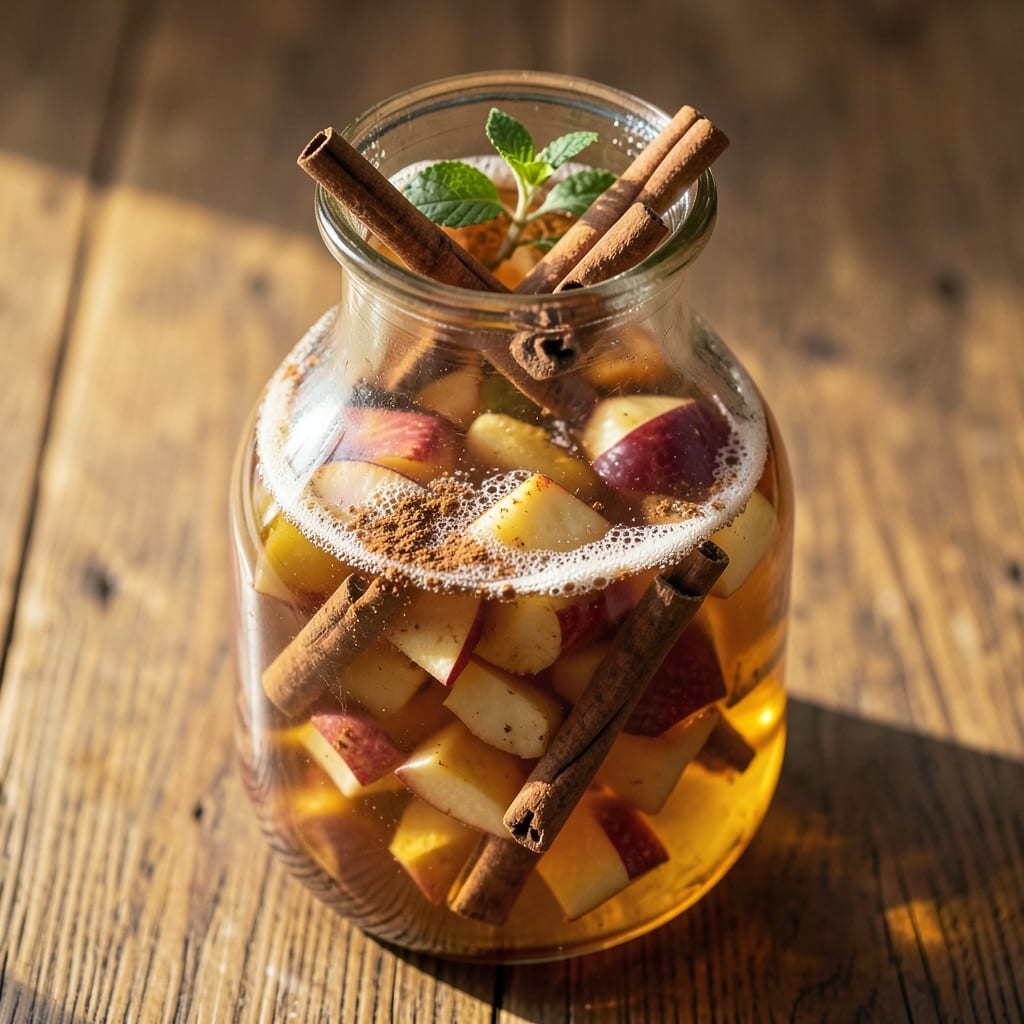
This apple cinnamon mead recipe delivers a one-gallon batch of honeyed, spiced fermented goodness that transforms simple ingredients into a sophisticated drink. The blend of tart apples, rich honey, and warm cinnamon creates layers of flavor that develop beautifully during fermentation. I've refined this recipe over years to balance sweetness and spice, ensuring a smooth, well-rounded mead that's perfect for sipping or gifting.
The process is straightforward but requires patience—apples are cooked down into a concentrated juice, then combined with honey and spices before fermentation begins. This recipe uses simple ingredients you can find at any grocery store, and the 1-gallon scale makes it ideal for small batches without overwhelming equipment. Safety is key, so we'll cover proper fermentation techniques and storage to ensure a clean, delicious result every time.
What you'll end up with is a rich, aromatic mead with notes of caramelized apples, warm cinnamon, and a touch of honeyed depth that lingers on the palate. The fermentation process enhances these flavors, transforming the raw ingredients into something truly special. Whether you're brewing for the first time or perfecting your technique, this recipe delivers professional-quality results at home.
Once fermented, your mead will continue to develop complexity over time—ideal for aging or immediate enjoyment. The recipe includes optional adjustments for sweetness or spice levels, so you can tailor it to your taste. Let's get started on creating your own batch of this honeyed, spiced delight.
Ingredients for apple cinnamon mead recipe 1 gallon
Simple ingredients that transform into a rich, honeyed mead with layers of apple and cinnamon.
| Ingredient | Amount | Notes |
|---|---|---|
| Honey 🍯 | 4 cups | Raw, unfiltered preferred for depth |
| Apples 🍎 | 4 lb | Tart varieties like Granny Smith or Honeycrisp |
| Cinnamon Sticks 🌿 | 4 whole | Ceylon preferred for subtle flavor |
| Ground Cinnamon 🌶️ | 2 tbsp | For extra warmth during fermentation |
| Active Dry Yeast 🍺 | ¼ oz | Brewers yeast for clean fermentation |
| Water 💧 | 1 gallon | Filtered or spring water preferred |
| Lemon Juice 🍋 | 1 tbsp | Freshly squeezed for acidity |
| Campden Tablets 💊 | 1 tablet | For sterilization before fermentation |
| Brown Sugar 🍚 | 1 cup | For initial yeast nutrition |
| Cloves 🌟 | 4 whole | Optional for deeper spice profile |
| Orange Peel 🍊 | 1 tbsp | Dried, for citrus brightness |
| Nutrient Mix 🧪 | 1 tbsp | For healthy yeast growth |
The apples are the flavor foundation—Granny Smith or Honeycrisp work best for that perfect tart-sweet balance. Local orchards or grocery store bins are great sources, but avoid anything bruised. Honey should be raw and unfiltered for maximum depth—Manuka or clover are my go-tos. Cinnamon sticks add subtle warmth, but if you're using ground cinnamon, Ceylon is smoother. For the yeast, White Labs WLP001 or Lalvin EC-1118 are reliable choices, but active dry yeast works fine for beginners. The Campden tablet is non-negotiable for sterilization—it kills wild yeast and bacteria before fermentation begins.
No tart apples? Substitute with a mix of Granny Smith and Fuji—just adjust the sweetness later. Running low on honey? Maple syrup works in a pinch, though it won’t have the same depth. Skip the cloves if you prefer a cleaner profile, but the orange peel adds a nice citrus note that pairs perfectly with the cinnamon. For the nutrient mix, yeast nutrient or diammonium phosphate are both solid options. If you’re feeling fancy, add a splash of apple cider vinegar for extra tang during fermentation. And trust me, the brown sugar is worth it—it kickstarts the yeast and prevents stuck fermentation.
Once fermented, your mead will keep improving for months—6-12 months is ideal for aging. Store it in a cool, dark place, and burp the airlock weekly during active fermentation. For serving, chill slightly to 50-55°F—it’s best enjoyed cold. If you make extra, glass bottles with airtight seals are perfect for gifting. And if you’re feeling adventurous, try adding a dash of vanilla bean during fermentation for a next-level twist.
Why You'll Love This Recipe
- No-Fuss Fermentation: I swear, this takes less effort than making coffee—just toss in chopped apples, honey, and cinnamon sticks, then let the yeast do the work. No fancy equipment, no constant stirring, just a gallon jar and patience (well, 2-3 weeks of it).
- Warmth in Every Sip: That first taste of honeyed sweetness with apple’s bright tang and cinnamon’s slow burn? It’s like autumn in a bottle. The yeast mellows the sharpness over time, leaving you with something smooth yet spiced—perfect for sipping by the fire.
- Holiday Ready: Between us, this is my go-to for Thanksgiving gifts or cozy winter nights. The apples and cinnamon make it feel festive, but it’s just as welcome with a charcuterie board as it is in a mug of hot cider. (Yes, even on a Tuesday night.)
- Budget-Friendly Batch: A gallon costs less than takeout for two—and lasts way longer. Honey and apples are cheap staples, and the yeast stretches your money further than store-bought mead. Plus, the leftovers? Even better after a week or two of aging.
Step-by-step instructions for crafting apple cinnamon mead
Here's how to transform simple ingredients into a rich, spiced mead with layers of honeyed apple flavor.
Sanitize and Prepare the Base Ingredients
Start by crushing the 4 lb apples into small chunks using a clean potato masher or food processor. I like to leave them slightly chunky—this helps extract flavor during fermentation without making the mead too cloudy. Transfer the crushed apples to your primary fermentation vessel, a sanitized gallon jug.
Add the 4 whole cinnamon sticks, 4 whole cloves, and 1 tbsp orange peel to the crushed apples. These spices will infuse beautifully during the fermentation process. Give everything a gentle stir to distribute the spices evenly throughout the apple mixture. The goal here is to create a flavorful base that will carry through the entire fermentation.
Sterilize and Add Water and Honey
Dissolve the 1 tablet Campden Tablets in ½ cup of the 1 gallon water in a separate container, following the package instructions for sterilization. This step is critical—it prevents unwanted bacteria from spoiling your mead. Once dissolved, pour this sterilized water into the fermentation vessel with the apple-spice mixture.
Next, add the remaining 1 gallon water (now totaling 1 gallon) and the 4 cups honey. Stir vigorously until the honey is completely dissolved. The mixture should be warm to the touch—this helps activate the yeast later. If the honey doesn't dissolve easily, gently heat the mixture (don't boil) until it integrates smoothly. The sweetness of the honey will balance the tartness of the apples beautifully.
Add Yeast Nutrients and Initiate Fermentation
Sprinkle the 1 tbsp nutrient mix evenly over the surface of the liquid. This provides essential vitamins and minerals that help the yeast thrive during fermentation. Give the mixture another stir to ensure the nutrients are fully incorporated.
Now, add the 1 cup brown sugar and 1 tbsp lemon juice, stirring well to combine. The brown sugar gives the yeast an immediate food source, while the lemon juice adds a subtle acidity that enhances the apple and cinnamon flavors. Finally, sprinkle the 0.25 oz active dry yeast over the surface. Let the mixture sit for 10-15 minutes to allow the yeast to hydrate and activate.
Seal and Ferment for Primary Stage
Attach an airlock to the fermentation vessel and fill it with water to create an airtight seal. Place the vessel in a dark, warm spot (around 70-75°F) where it can ferment undisturbed for 7-10 days. During this time, you'll notice vigorous bubbling in the airlock—this is a good sign that fermentation is active.
After 7-10 days, check the specific gravity using a hydrometer. If it's dropped by at least 1.010, you're ready to move to the secondary fermentation stage. If not, give it a few more days. The key here is patience—rushing this step can result in an unfinished flavor profile. Once fermentation slows significantly, it's time to transfer your mead to a secondary vessel for further development.
Secondary Fermentation and Aging
Carefully siphon the mead from the primary vessel into a clean, sanitized secondary fermentation vessel, leaving behind any sediment. Add the 2 tbsp ground cinnamon to the secondary vessel and stir gently to distribute. This extra cinnamon adds depth and warmth to the flavor profile as the mead ages.
Seal the secondary vessel with an airlock and let it ferment for another 4-6 weeks. During this time, the mead will continue to develop complexity. After the secondary fermentation, transfer the mead to a sanitized glass bottle or jug for aging. Store it in a cool, dark place for at least 3-6 months—this allows the flavors to meld and mature. The longer you age it, the smoother and more refined the taste will become.
Pro Tips For Making Apple Cinnamon Mead Recipe 1 Gallon
- STEAM THE APPLES FIRST: I learned this the hard way—chucking raw apple chunks into the must can make your mead cloudy and dull. Core and slice the apples, then blanch them in boiling water for 2-3 minutes to soften them and release natural pectin. Drain well before adding to the honey mix, or you’ll end up with a gummy, uneven batch.
- USE WHOLE CINNAMON STICKS: Ground cinnamon burns off during fermentation, leaving you with a flat aftertaste. Toss in 2-3 whole cinnamon sticks instead—they’ll infuse flavor without overpowering, and you can remove them after primary fermentation. (Yes, even if you’re impatient like me.)
- CHILL THE HONEY WATER: Pouring hot honey into cold water creates a temperature shock that kills yeast before it even starts. Mix the honey with warm (not boiling) water first—around 110°F—then let the whole batch cool to 70-75°F before pitching yeast. A sanitized carafe in an ice bath does the trick in 15 minutes.
- PITCH YEAST AT NIGHT: Fermentation peaks between 2-4 AM, and if you pitch yeast in the evening, you’ll catch the most vigorous bubbling the next morning. Skip the daytime pitch—your yeast will fizz out before you notice, leaving you with a sluggish, under-carbonated mead. (Your future self will thank you.)
Common mistakes when making great apple cinnamon mead recipe 1 gallon
Skipping Sanitization
One of the biggest mistakes is skipping the Campden Tablet sterilization step. This tablet kills wild yeast and bacteria that can spoil your mead, turning it into something vinegary or off-flavor. I've seen beginners skip this because it seems like an extra step, but trust me—it's worth the 5 minutes it takes. Always dissolve the tablet in ½ cup of water first, then mix it thoroughly before adding to your batch. 💊
Using Old or Weak Yeast
Active dry yeast loses potency over time, especially if stored in a warm or humid place. Check your yeast's expiration date—if it's been sitting in your pantry for over 6 months, it might not ferment properly. I recommend buying fresh yeast from a homebrew store like MoreBeer! or Brewers Supply Group. If you're unsure, do a quick proof test by mixing a pinch of yeast with warm water and sugar—if it bubbles within 10 minutes, it's still active.
Overheating the Mixture
When dissolving honey, it's tempting to heat the mixture quickly, but going above 160°F can kill the yeast. I've ruined batches by boiling the honey-water mix accidentally. Instead, heat gently on the stove over low heat, stirring constantly until the honey dissolves. If you're unsure, use a thermometer to monitor the temperature. The goal is warmth, not boiling—think 120-140°F max.
Ignoring Specific Gravity
Skipping the hydrometer check after primary fermentation is a common mistake. This tool measures how much sugar the yeast has converted to alcohol, and ignoring it can lead to under-fermented mead that tastes flat or unfinished. I always check the specific gravity after 7-10 days—if it hasn't dropped by at least 1.010, give it a few more days or add a bit more yeast nutrient to kickstart fermentation again.
Rushing the Aging Process
Some brewers can't wait to taste their mead and skip the aging stage, but this is a critical step for flavor development. Mead needs time—at least 3 months—to let the flavors meld and mellow. I've tasted mead aged for just 1 month, and it was harsh and alcoholic compared to the same batch aged for 6 months. Patience pays off with smoother, more complex flavors. Store your mead in a cool, dark place and resist the urge to sample early!
Using Metal Utensils
Metal can react with the acids in apples and honey, introducing off-flavors or even leaching metals into your mead. Always use glass, plastic, or food-grade plastic containers and utensils. I keep a set of sanitized glass jugs and a wooden spoon dedicated to mead-making. If you must use plastic, ensure it's labeled as food-safe and never been used with cleaning chemicals.
Nutrition facts
Frequently asked questions
How long does it take to ferment apple cinnamon mead?
The complete fermentation process takes about 6-8 weeks, including both primary and secondary stages. Primary fermentation lasts 7-10 days, then secondary fermentation adds 4-6 weeks of flavor development. After that, aging for 3-6 months is recommended for optimal taste.
Can I adjust the sweetness level in this mead?
Yes! If you prefer a drier mead, reduce the honey to 3 cups and add ½ cup more brown sugar to help the yeast ferment more sugar. For a sweeter version, increase honey to 5 cups and back off on sugar. Always check specific gravity to monitor fermentation progress.
What's the best way to store homemade mead?
Store your finished mead in airtight glass bottles in a cool, dark place (like a pantry or cellar). Avoid temperature fluctuations—keep it between 50-65°F. Once opened, refrigerate and consume within 1-2 weeks. Unopened bottles last 1-2 years if properly sealed.
Can I use apple juice instead of fresh apples?
Yes, but you'll lose some depth of flavor. Use 1 quart of 100% apple juice (no added sugar) instead of the fresh apples. For extra richness, add ½ cup apple cider to the mix. The spices will still infuse well, but the texture will be smoother without apple chunks.
How do I know when my mead is ready to bottle?
Your mead is ready when fermentation slows to minimal bubbling (1-2 bubbles per minute) and the specific gravity stabilizes for 3-5 days. Also check for clarity—the liquid should be mostly clear with minimal sediment. If it smells clean and sweet (not yeasty or vinegary), it's time to bottle!