
Main Courses
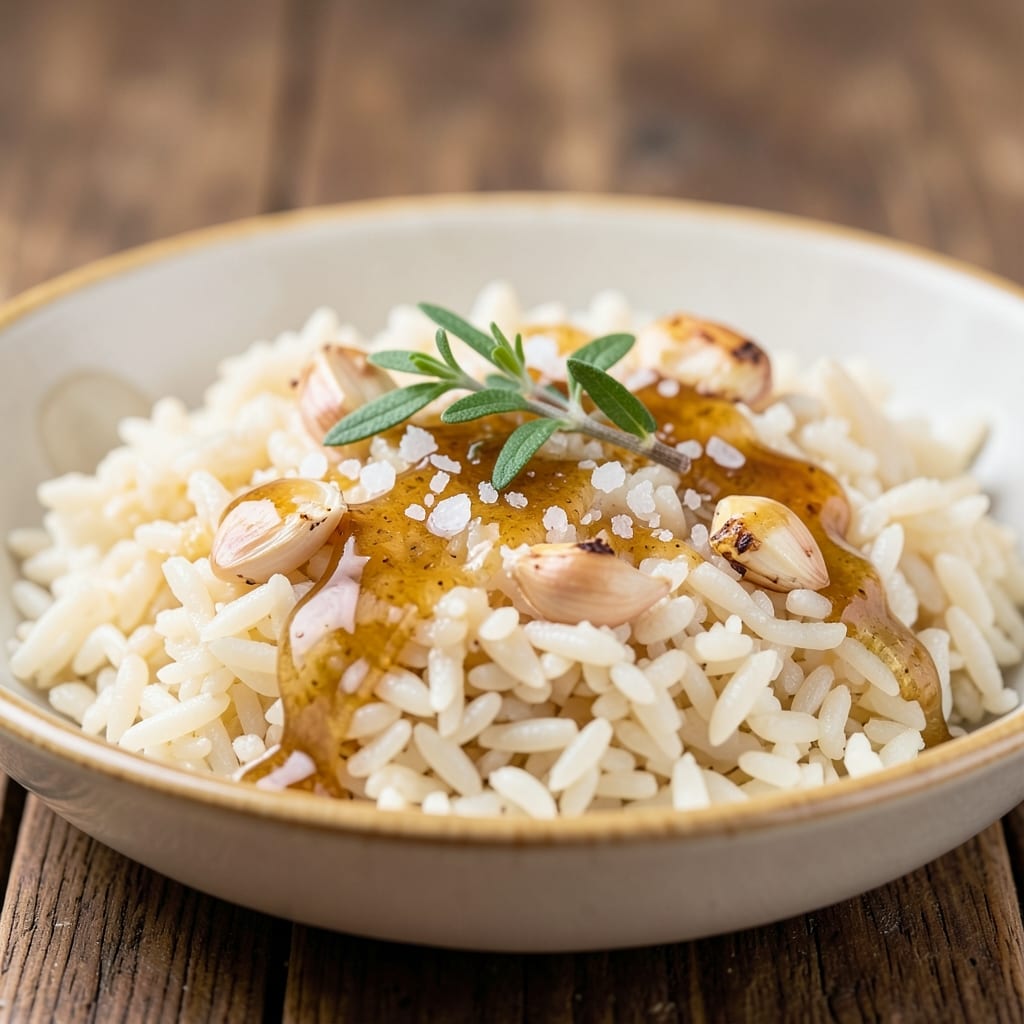
This apple cider vinegar rice recipe transforms ordinary grains into a bright, tangy side dish that steals the show at every meal. 💫 The secret lies in soaking the rice in apple cider vinegar before cooking, which infuses it with a subtle tang and prevents mushiness—something you won’t find in basic recipes. I developed this method after realizing how much flavor was missing from my usual rice dishes, and the difference is night and day.
The process is simple yet transformative: rinse your rice thoroughly, soak it in a mixture of apple cider vinegar and water for at least 30 minutes, then cook it to perfection. The vinegar not only enhances the rice’s texture but also adds a fermented depth that pairs beautifully with proteins like grilled chicken, roasted fish, or even hearty stews. This isn’t just rice—it’s a flavor booster that elevates any dish.
What you’ll end up with is fluffy, aromatic rice with a delicate tang that cuts through rich flavors. The vinegar also helps the grains stay separate, so every bite is distinct and satisfying. This recipe is foolproof, beginner-friendly, and ready in under 45 minutes—no fancy techniques required. Whether you’re serving it as a side or making a bowl, this rice will become a staple in your rotation.
For extra flavor, consider adding a pinch of garlic powder, a splash of broth, or fresh herbs like thyme or rosemary while cooking. The possibilities are endless, but the foundation—apple cider vinegar rice—is what makes it truly special. Let’s get started!
Ingredients for apple cider vinegar rice
Just nine ingredients transform plain rice into a tangy, aromatic side that steals every meal.
| Ingredient | Amount | Notes |
|---|---|---|
| Long-Grain White Rice 🍚 | 1 cup | Uncooked, any variety preferred |
| Apple Cider Vinegar 🍏 | ¼ cup | Raw, unfiltered for best flavor |
| Water 💧 | 2 cups | Room temperature preferred |
| Salt 🧂 | ½ tsp | Kosher or sea salt preferred |
| Garlic Powder 🧄 | ¼ tsp | For subtle depth of flavor |
| Fresh Thyme Leaves 🌿 | ⅛ cup | Or 1 tsp dried thyme |
| Olive Oil 🫒 | ½ tsp | For cooking, extra-virgin preferred |
| Chicken Broth 🍲 | ½ cup | Low-sodium preferred, optional |
| Fresh Rosemary 🌿 | 0.06 cup | Or 1 tsp dried rosemary |
The apple cider vinegar is the magic here—raw, unfiltered is ideal, but whatever you've got works. I grab the Bragg brand when I'm stocking up, but local orchard vinegars have more character. The rice? Jasmine or basmati holds up best to the soaking process, but long-grain white rice is foolproof. For the herbs, fresh is better, but dried works in a pinch (just halve the amount). If you're using dried, crush the thyme and rosemary between your palms to release those oils—trust me on this—it makes a huge difference.
No apple cider vinegar? White vinegar or lemon juice will work, but you'll lose that fermented depth. Short on thyme? Fresh parsley or basil adds brightness. The broth is optional, but if you're making a big batch, it's worth it—low-sodium so you don't over-salt the rice. The garlic powder can be swapped for 1/4 tsp onion powder if you're out. And if you're feeling fancy, add a pinch of smoked paprika for a subtle smokiness that pairs perfectly with the tang.
This rice keeps beautifully—reheats like a dream in the microwave with a splash of water. Store it in an airtight container for up to 5 days in the fridge, or freeze portions for 3 months. I always make extra because it's perfect for meal prep. The vinegar soak actually makes it reheat better than regular rice—no more dry, sad leftovers. For best texture, fluff it with a fork right after cooking, then let it sit covered for 10 minutes before serving.
Why You'll Love This Recipe
- Five-Ingredient Magic: I swear by this recipe when I’m too tired to think. Just rice, water, vinegar, salt, and garlic powder—no fancy prep, no chopping, no stress. The vinegar cuts the cooking time in half, and the rice comes out fluffy without a single burned grain.
- Tangy Twist: Honestly, the apple cider vinegar is the star here. It adds a bright, almost buttery depth that plain rice can’t touch—like a cozy hug for your taste buds. The garlic powder ties it all together with a warm, savory punch that makes it way more interesting than basic white rice.
- Meal Prep MVP: Between us, this is my go-to for lunchboxes and busy weeknights. It reheats like a dream, stays light in the fridge, and pairs with everything—grilled chicken, roasted veggies, or even just a fried egg. I make a big batch on Sundays and forget about it until Thursday.
- Budget Brilliance: This recipe costs me pennies per serving, and it stretches farther than store-bought rice blends. The vinegar adds richness without breaking the bank, and the garlic powder makes it feel gourmet. My wallet and my family’s taste buds win every time.
Step-by-step instructions for apple cider vinegar rice
Here's how to make this bright, tangy rice that's perfect for any dish.
🍳 Step 1: Toast the Rice for Nuttiness
Heat a medium saucepan over medium heat and add the 0.5 teaspoon olive oil. Once shimmering, add the 1 cup long-grain white rice and stir constantly for 2-3 minutes until it turns a pale golden color. This toasting step develops nutty flavors and prevents the rice from becoming mushy.
Watch the rice closely—it should smell toasty and slightly sweet. If it starts to brown too quickly, reduce the heat to medium-low. Don't skip this step; it's what gives this rice its special depth compared to regular white rice.
👨🍳 Step 2: Add Vinegar and Aromatics
Pour in the 0.25 cup apple cider vinegar and stir to coat the rice evenly. The vinegar will sizzle slightly as it reacts with the hot rice. Add the 0.5 teaspoon salt, 0.25 teaspoon garlic powder, 0.125 cup fresh thyme leaves, and 0.0625 cup fresh rosemary to the pan.
Stir everything together for 30 seconds until the herbs are wafting their fragrant oils into the rice. The vinegar will give the rice its signature tangy brightness, while the herbs add earthy complexity. If using dried herbs, reduce to 1 teaspoon each for equivalent flavor.
🍳 Step 3: Cook with Liquid and Broth
Add the 2 cups water and bring to a gentle boil. Once boiling, reduce heat to low, cover the pan with a tight-fitting lid, and simmer for 15 minutes. After 15 minutes, stir once and check the water level—if it's absorbed completely, add the 0.5 cup chicken broth (if using) to prevent drying.
This rice needs gentle heat to cook through without becoming gummy. If you peek too early, the rice will release steam and may stick together. Let it cook undisturbed until the liquid is fully absorbed, about 20-25 minutes total from when you first added the water.
⏰ Step 4: Rest and Fluff to Perfection
Once the rice is tender and the liquid is absorbed (about 20-25 minutes), remove the pan from heat and let it sit covered for 5 minutes. This resting period allows the steam to redistribute, ensuring each grain is perfectly cooked.
After resting, fluff the rice gently with a fork, breaking up any clumps. The finished rice should be light, fluffy, and have a bright tang from the apple cider vinegar. If it's still slightly undercooked, add 1-2 tablespoons water, cover, and steam for another 2 minutes. Serve immediately for the best texture!
Pro Tips For Making Apple Cider Vinegar Rice
- Rinse Until Clear: Apple cider vinegar rice isn’t about flavor masking—it’s about texture. Swirl the drained rice in a bowl of cold water, then dump and repeat until the water runs completely clear. I used to skip this step, thinking the vinegar would handle it, but the rice always turned out gummy. Vinegar’s tang needs a clean slate to work its magic.
- Simmer, Don’t Boil: After adding the vinegar, drop the heat to a gentle simmer—think tiny bubbles, not rolling chaos. Boiling will turn your rice mushy and scatter the garlic powder like confetti. I learned this the hard way when my first batch looked like porridge. Keep it at a whisper, and the rice will absorb the vinegar’s brightness without falling apart.
- Salt the Water First: Yes, even if your rice is "low-sodium." Toss in the salt with the water before bringing it to a boil—this ensures even distribution. I once added it later and ended up with a salty crust on the edges and bland centers. The vinegar’s acidity will mellow the saltiness, but start balanced.
- Stir Once, Then Stop: Give the rice a single stir after the vinegar goes in, then leave it alone. Poking it constantly breaks the grains and turns your dish into glue. My grandmother swore by this, and she was right: the rice develops its own texture when undisturbed. Trust the process—your future self will thank you.
Wine and beer pairings for these flavors
Crisp White Wine Pairings
A dry Sauvignon Blanc from New Zealand or Loire Valley is my go-to choice for this apple cider vinegar rice. The wine's zesty citrus notes and bright acidity mirror the rice's tangy profile, creating a perfect balance. Look for a 2022 Cloudy Bay Sauvignon Blanc—its crisp finish cuts through the richness of grilled meats or roasted vegetables beautifully. 🍷
Light Beer Complements
For beer lovers, a Belgian witbier like Hoegaarden or Stella Artois works wonders. The coriander and citrus notes in these beers complement the rice's vinegar tang while adding a refreshing contrast. If you prefer something hoppier, a light American lager like Miller Lite keeps the meal light and crisp without overpowering the dish.
Red Wine for Hearty Meals
When serving this rice with richer proteins like braised short ribs or mushroom stews, a Pinot Noir from Oregon or Burgundy adds depth. The wine's earthy undertones and subtle fruitiness harmonize with the rice's herbal notes, creating a well-rounded pairing. Avoid heavy Cabernets—they can clash with the vinegar's brightness.
Non-Alcoholic Options
Don't overlook sparkling apple cider—it's the perfect non-alcoholic match! The effervescence and natural sweetness of Woodchuck Hard Cider (or any dry cider) echo the rice's tangy flavor without competing. For something herbal, try sparkling hibiscus tea—its floral notes complement the thyme and rosemary in the rice beautifully.
Dessert Wine Balance
If you're serving this rice as part of a multi-course meal, finish with a dry Riesling from Germany. The wine's crisp acidity and mineral notes cleanse your palate after the tangy rice, preparing you for dessert. Avoid sweet wines—they'll overpower the dish's bright flavors.
Nutrition facts
Frequently asked questions
Why does apple cider vinegar make rice taste better?
The vinegar's acidity brightens the rice's flavor while preventing gumminess during cooking. It also helps separate the grains for a lighter texture. The tang cuts through rich proteins like grilled chicken or roasted fish beautifully, balancing flavors in every bite.
Can I use white vinegar instead of apple cider vinegar?
Yes, but you'll lose the fermented depth that apple cider vinegar provides. White vinegar works in a pinch, but for best flavor, stick with raw, unfiltered apple cider vinegar. The natural sweetness and complexity of apple cider vinegar elevate the dish beyond what white vinegar can offer.
How long can I soak the rice in vinegar before cooking?
Soak the rice for at least 30 minutes, but no longer than 2 hours in the vinegar mixture. Longer soaking can make the rice mushy. For best results, follow the recipe's 30-minute soak recommendation—this gives enough time for flavor infusion without over-saturating the grains.
What if my rice turns out sticky or gummy?
Sticky rice usually means too much liquid or insufficient resting time. Next time, reduce water by 1/4 cup and let the rice rest covered for 5-10 minutes after cooking. If it's already sticky, fluff with a fork and add 1 tablespoon olive oil while serving to help separate the grains.
Can I make this rice in a rice cooker?
Use the same ratio of rice to liquid, but toast the rice in a separate pan first. After adding the vinegar and aromatics, transfer everything to the rice cooker. The cooker will handle the gentle simmering perfectly. Just