
Sauces & Condiments
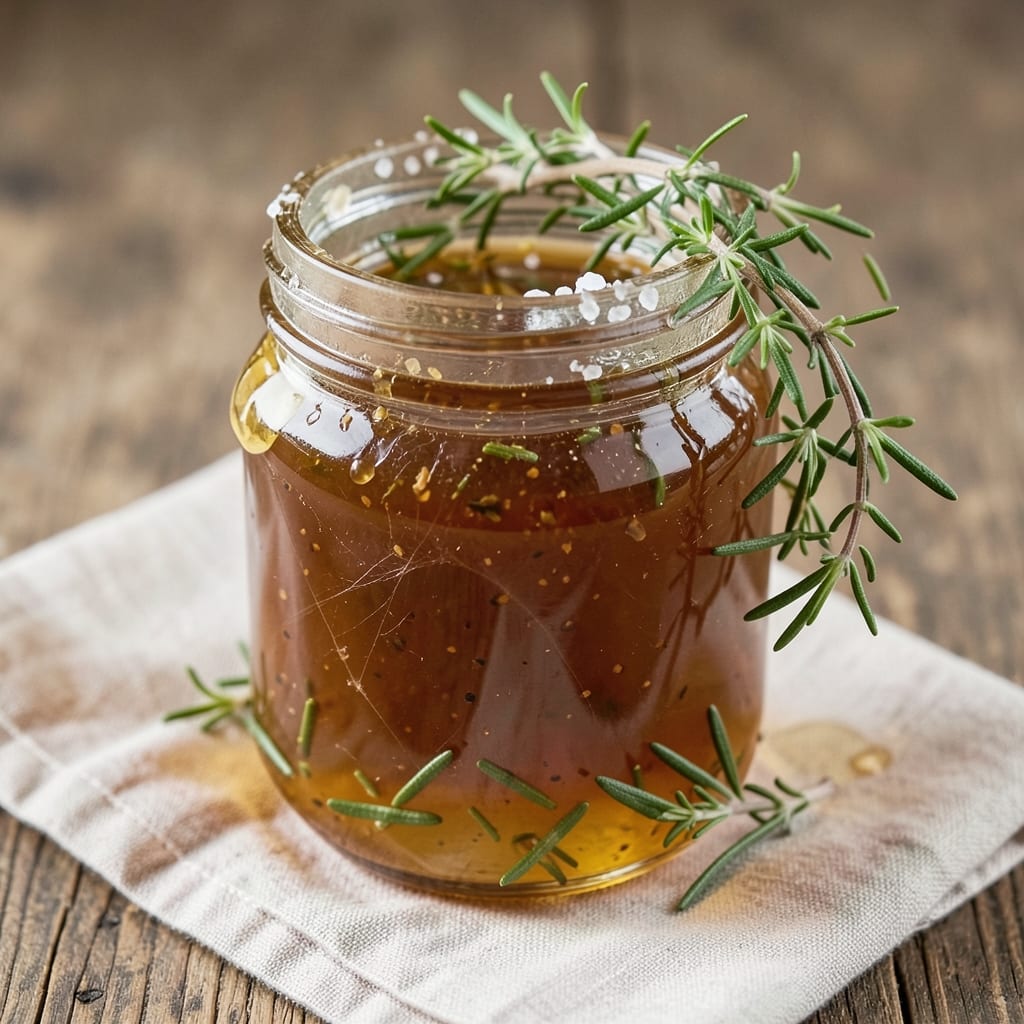
This apple cider vinegar recipe without sugar transforms a simple pantry staple into a tangy, digestive-friendly elixir with just five ingredients and 10 minutes of prep. The secret lies in balancing raw apple cider vinegar’s sharpness with fresh lemon juice and herbs, creating a zesty condiment that enhances salads, marinades, and even beverages without any sweetness. I developed this version after discovering how sugar-free alternatives could still deliver bold flavor while supporting gut health.
The foundation of this recipe is raw, unfiltered apple cider vinegar—packed with enzymes and probiotics—paired with lemon juice for brightness and a pinch of sea salt to round out the flavors. Optional additions like fresh rosemary or thyme elevate it into a savory dressing, while a splash of water dilutes the acidity for gentle digestion. Unlike store-bought versions, this keeps all the natural benefits without artificial additives or hidden sugars.
What you’ll end up with is a versatile, shelf-stable condiment that adds depth to vinaigrettes, tenderizes meats, or even balances sweet dishes like fruit salads. The recipe yields about 1 cup, and with proper storage (cool, dark place in a sealed glass jar), it lasts for up to 3 months. No fermentation required—just mix, steep, and enjoy the tangy zing that’s as good for your body as it is for your taste buds.
Perfect for those watching sugar intake or exploring fermented foods, this recipe proves you don’t need sweetness to create something extraordinary. Whether you’re drizzling it over greens or using it as a marinade base, the possibilities are endless. Let’s get started!
Ingredients for apple cider vinegar recipe without sugar
Five ingredients, zero sugar—just pure fermented tang for salads, marinades, and gut health.
| Ingredient | Amount | Notes |
|---|---|---|
| Raw Unfiltered Apple Cider Vinegar 🍏 | ¾ cup | With mother culture preferred |
| Fresh Lemon Juice 🍋 | ¼ cup | Strained, no pulp |
| Fresh Rosemary 🌿 | ¼ cup | Finely chopped, stems removed |
| Sea Salt 🧂 | ½ tsp | Fine grain, non-iodized |
| Filtered Water 💧 | ¼ cup | Room temperature |
| Fresh Thyme Leaves 🌿 | 1 tbsp | Optional, for herbal depth |
| Honey-Free Sweetener ❌ | 0 tbsp | None used—naturally unsweetened |
The apple cider vinegar is non-negotiable here—raw, unfiltered with the mother culture is ideal, but the clear kind works too. Bragg or Zevia are solid brands, but any organic bottle from the grocery store’s natural foods section will do. Look for labels that say 'unpasteurized' or 'with mother' for maximum probiotic benefits. Fresh rosemary makes all the difference—Trader Joe's sells pre-bundled sprigs, or grab a small pot from the garden section. If you don’t have rosemary, fresh thyme or basil work just as well. The sea salt should be fine grain—Diamond Crystal is my go-to, but any non-iodized salt will work.
No rosemary? Fresh parsley or basil at the same amount adds brightness, though rosemary’s piney note is unmatched. Want extra tang? Add 1 extra tbsp of vinegar—just dilute with more water if it’s too sharp. The water is key for balancing acidity—filtered or spring water prevents off-flavors. No fresh herbs? Dried rosemary at one-third the amount (1 tsp) works in a pinch, but fresh is always better. The recipe intentionally skips sweeteners—monk fruit or stevia can be added if you prefer, but the natural acidity shines without them.
This keeps for 3 months in a cool, dark place—glass jar with an airtight lid is ideal. If you’re using it as a salad dressing, dilute with 1 part dressing to 3 parts oil (like olive or avocado) for a lighter drizzle. For marinades, use full-strength and reduce cooking time by 25% to prevent over-tenderizing. The flavor actually improves after 24 hours of steeping, so make it a day ahead if you can. No refrigeration needed unless you’re using fresh herbs that wilt quickly.
Why You'll Love This Recipe
- Five-Ingredient Magic: I swear, this is the kind of drink I make when I’m too tired to think. Just stir those five things together—raw ACV, lemon juice, rosemary sprigs, a pinch of salt, and water—and you’ve got something refreshing without any fuss. No measuring cups, no waiting for sugar to dissolve, just mix and pour.
- Bright & Herby Zing: That raw ACV has this deep, tangy complexity, and the rosemary? It’s like a tiny pine forest in every sip. The lemon cuts through the sharpness, but the salt ties it all together—clean, crisp, and way more interesting than plain vinegar. Honestly, I’ve had worse-tasting fancy cocktails.
- Meal Prep MVP: I keep a pitcher of this in the fridge all week. Drizzle it over salads, use it as a marinade for grilled chicken, or even mix it into sparkling water for a zero-sugar pick-me-up. It’s my go-to for when I’m too busy to cook but still want flavor. (Yes, even on a Tuesday night.)
- Pennies & Pantry Staples: Between us, this costs next to nothing. You’re using ingredients you probably already have, and a little goes a long way. I’ve made gallons of it for under $5—no specialty stores, no overpriced bottles. Plus, it lasts forever, so I’m not scrambling to buy more last-minute.
Step-by-step instructions for fermented herbal apple cider vinegar
Here's how to blend vibrant flavors into your vinegar—no sugar needed.
Prepare the Herbal Infusion Base
In a clean, airtight glass jar with a wide mouth, combine the 0.75 cup raw unfiltered apple cider vinegar (with mother culture) and the 0.25 cup finely chopped fresh rosemary. The rosemary should be free of woody stems—just the needle-like leaves. Use a wooden spoon to gently press the rosemary into the vinegar, releasing its aromatic oils. This ensures maximum flavor extraction during the infusion process.
Add the 1 tablespoon fresh thyme leaves next, giving the mixture a final stir. The thyme will contribute a subtle earthy depth that pairs beautifully with the rosemary's piney notes. Place the jar on your countertop away from direct sunlight—this is where the magic happens naturally over time. The vinegar's natural acidity will begin extracting the herbal compounds immediately, but we'll let it develop fully over the next few days.
Add Citrus and Salt for Balance
After 24 hours, remove the jar and add the 0.25 cup fresh lemon juice (strain it first to remove any pulp). The lemon juice introduces bright acidity that cuts through the herbal richness. Stir well to distribute the citrus throughout the mixture. Next, sprinkle in the 0.5 teaspoon fine sea salt—this enhances flavor and helps preserve the infusion.
Here's the thing—don't skip the salt. It might seem like an afterthought, but it actually rounds out the flavors and prevents the vinegar from tasting too sharp or herbal-forward. Give everything another thorough stir to ensure the salt dissolves completely. The mixture should now have a vibrant greenish hue from the rosemary and thyme, with a fresh citrus aroma that's impossible to resist.
Dilute and Store for Maximum Freshness
Transfer the infused vinegar mixture to a clean glass bottle with an airtight lid. Add the 0.25 cup filtered water at this stage—this creates a drinkable dilution that's gentler on the digestive system while still delivering all the benefits. The water also helps distribute the herbal compounds more evenly throughout the liquid.
I like to use a glass bottle with a natural cork stopper for storage, as it allows for minimal air exposure while still being easy to open. Seal the bottle tightly and store it in a cool, dark place like your pantry. The infusion will continue developing subtle complexity over the next 3-5 days, but it's ready to use immediately if you're impatient. The natural fermentation process will create tiny bubbles—this is completely normal and indicates active flavor development.
Rest and Flavor Development (Critical Step)
Let the vinegar rest for at least 5 days before using it, though I recommend waiting 7-10 days for optimal flavor. This resting period allows the herbal compounds to fully infuse and the flavors to meld together harmoniously. The longer you wait, the more complex the flavor profile becomes—think of it like steeping a fine herbal tea, but with vinegar's tangy backbone.
During this time, give the bottle a gentle shake each day to help distribute the herbal oils throughout the liquid. You'll notice the color deepening slightly as the rosemary and thyme continue to release their pigments. When you're ready to use it, taste a small amount—it should have a bright, herbal-forward profile with citrus notes that lift the palate. The absence of sweetener means the natural acidity will be more pronounced, which is actually what makes this infusion so refreshing and beneficial for digestion.
Pro Tips For Making Apple Cider Vinegar Recipe Without Sugar
- STRAIN THE ROSMARARY WELL: I used to just toss whole sprigs into the mix and call it good—until I got a mouthful of woody bits. Bruise the needles first with the flat side of a knife (just enough to break the cell walls), then strain through a fine-mesh sieve after 10 minutes. The flavor infuses faster, and your drink stays smooth.
- USE COLD WATER ONLY: Hot water kills the subtle complexity of raw apple cider vinegar and dulls the lemon’s brightness. Stick to cold filtered water—even room temp makes a difference. I learned this after making two batches where the acidity tasted flat, and I realized I’d been too eager to warm things up.
- DILUTE THE VINEGAR FIRST: Adding undiluted raw ACV to lemon juice or rosemary can shock the flavors and make the drink taste harsh. Mix the vinegar with water first, then add the lemon and herbs. This gentle introduction lets the acidity mellow out while still packing a punch—like letting a spicy dish sit before eating.
- SALT LAST, THEN REST: Taste before adding the final pinch of sea salt—your palate adjusts after drinking vinegar, and you’ll overdo it. Once added, let the mixture sit for 5 minutes. The salt distributes evenly, and the acidity balances out more naturally. I used to add it right away and always ended up with a slightly salty aftertaste.
Make-ahead tips for apple cider vinegar recipe without sugar
Batch Prep Secrets
Double the recipe for 2 cups using the same ingredients—just scale everything up proportionally. Store in two 1-cup glass jars to maintain freshness longer. I find this works best when prepping for a week of salads or marinades. The extra batch keeps in my pantry for up to 6 months if stored properly in a cool, dark space. 💫
Herb Swaps
No rosemary? Swap for 1 tbsp fresh basil or 1 tbsp chopped mint—both add brightness. For a savory twist, try 1 tbsp chopped dill or 1 tbsp oregano. If using dried herbs, reduce to 1 tsp (they’re more concentrated). I’ve also experimented with 1 tsp ground ginger for a spicy kick, but fresh herbs always win for flavor depth.
Storage Hacks
Use a glass mason jar with a vacuum-sealed lid to extend shelf life to 6 months. If you’re short on space, store in the fridge for up to 1 year—the cold slows down flavor degradation. For travel, transfer to a small glass bottle with a screw cap (like a Le Parfait bottle) to keep it portable. Always shake before use to redistribute settled herbs.
Flavor Boosters
Want extra zing? Add 1 crushed garlic clove or ½ tsp black peppercorns during infusion. For a smoky note, steep 1 tsp smoked paprika in the vinegar for 10 minutes before adding other ingredients. I love this trick for BBQ marinades—just dilute with water before using. The key is to add these boosters after the initial 24-hour infusion to preserve their freshness.
Freezing Tips
Freeze in ice cube trays for easy portion control—perfect for quick salad dressings or cocktail garnishes. Pop out cubes and store in a ziplock bag for up to 3 months. Thaw overnight in the fridge before use. For bulk freezing, use silicone molds to preserve the infusion’s integrity. Just remember: freezing can slightly dilute the flavor, so use it within 2 months for best results. ❄️
Reusing the Herbs
After infusing, don’t toss the herbs! Strain them out and compost, or use them to flavor oils (like olive oil) for drizzling over pasta. I’ve also repurposed them into herbal teas by steeping in hot water. The vinegar’s residual oils on the herbs add an extra layer of flavor to these new creations. It’s a zero-waste win!
Nutrition facts
Frequently asked questions
Can I use this vinegar infusion as a salad dressing?
Yes! For a simple dressing, mix 1 part of your infused vinegar with 3 parts olive oil, plus a pinch of salt and pepper. The herbal notes shine when paired with crisp greens like arugula or mixed field salads. For extra brightness, add a splash of fresh lemon juice or a drizzle of honey-free sweetener if you prefer.
How long does it take for the herbs to fully infuse?
The infusion develops best over 7-10 days for maximum flavor depth, but it's ready to use after just 5 days. The longer it steeps, the more complex the herbal aromas become—think of it like a slow-cooked herbal tea. Shake the bottle gently each day to help distribute the oils.
Will this vinegar help with digestion?
Raw apple cider vinegar contains natural enzymes and probiotics that support gut health, while the herbs add anti-inflammatory benefits. The lemon juice aids digestion by stimulating stomach acid production. For best results, take 1 tablespoon diluted in water before meals, but always consult your doctor if you have acid reflux.
Can I make this without fresh herbs?
Yes, but use 1 teaspoon dried herbs (like rosemary or thyme) instead of fresh. Dried herbs are more concentrated, so reduce the amount by about 30%. For example, use 1 teaspoon dried rosemary instead of 1 tablespoon fresh. The flavor will be slightly less vibrant but still delicious.
What if my vinegar smells too strong?
If the vinegar smells overly pungent, it might need more dilution. Add 1 extra tablespoon of water and stir well. The herbs should contribute a pleasant aroma, not a harsh vinegar smell. If the smell is truly off, start fresh with a new batch—properly stored vinegar should have a bright, herbal tang, not a sour or rotten odor.