
Beverages
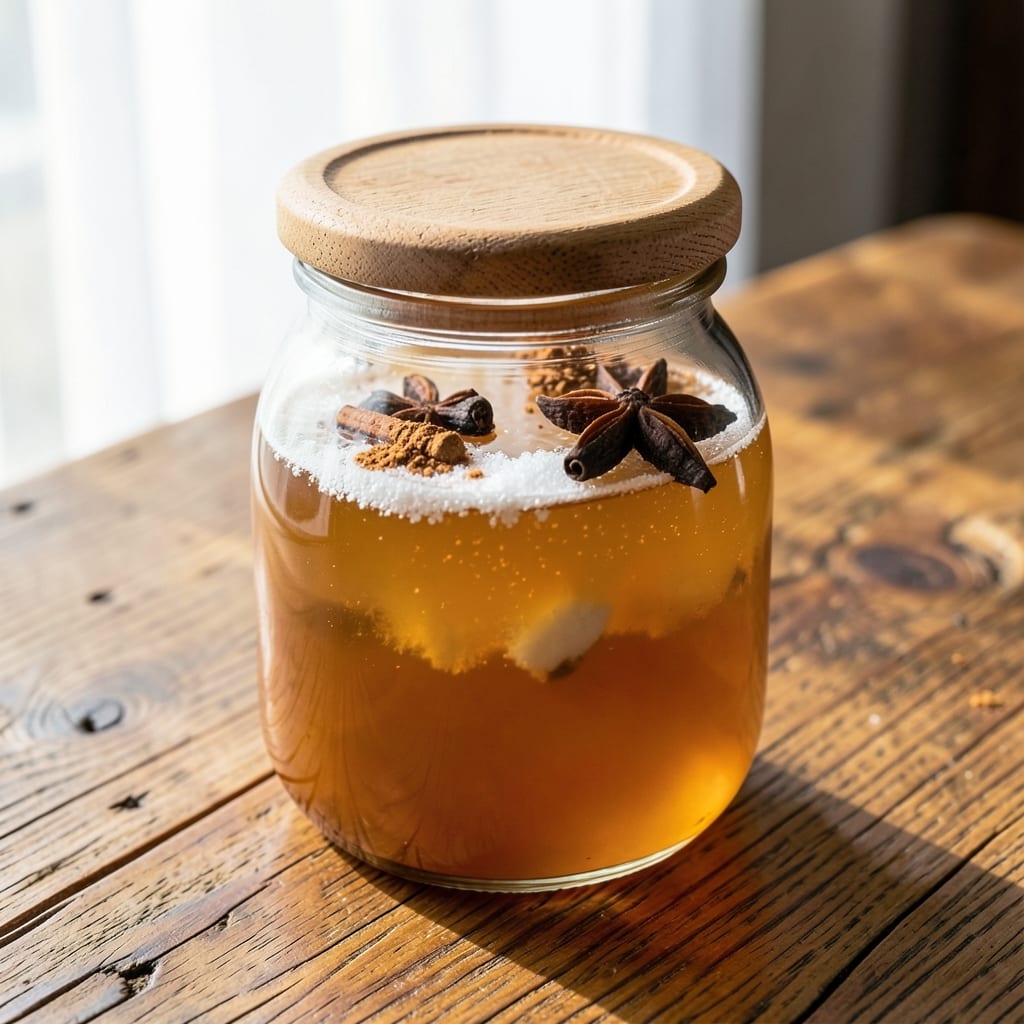
Apple cider vinegar jelly transforms simple salads and sandwiches into gourmet experiences with its tangy, aromatic depth. This recipe delivers a spreadable, golden-hued condiment that pairs beautifully with everything from grilled chicken to fresh greens—no artificial additives, just pure, vibrant flavor. The secret lies in balancing sweetness and acidity while letting the spices infuse deeply during the cooking process.
What sets this jelly apart is its versatility—use it as a tangy dressing, a sandwich spread, or even a marinade enhancer. The process is straightforward: simmer apple cider vinegar with sugar and spices until it thickens into a glossy, pourable consistency. Unlike store-bought versions, this homemade version stays fresh for weeks in the refrigerator, with no preservatives needed.
The result is a jelly that’s bright, aromatic, and just slightly spiced—perfect for cutting through rich dishes or adding a zesty kick to lighter meals. It’s restaurant-quality without the fuss, and the best part? You’ll have enough to experiment with variations like adding citrus zest or herbs for extra complexity.
Whether you’re prepping for meal prep or craving a homemade touch for your next dish, this apple cider vinegar jelly is a game-changer. Let’s get started—your taste buds (and leftovers) will thank you.
Ingredients for apple cider vinegar jelly
Nine simple ingredients blend into a vibrant, aromatic jelly that transforms ordinary meals into gourmet experiences.
| Ingredient | Amount | Notes |
|---|---|---|
| Apple Cider Vinegar 🍏 | 1 ½ cups | Raw, unfiltered preferred for depth |
| Granulated Sugar 🍚 | 2 cups | White or light brown preferred |
| Ground Cinnamon 🌿 | 1 tsp | Freshly ground for best aroma |
| Ground Ginger 🌶️ | ½ tsp | Freshly ground preferred |
| Cloves 🌿 | 3 whole | Lightly crushed for gentle infusion |
| Star Anise 🌶️ | 1 whole | Lightly crushed for aroma |
| Orange Zest 🍊 | 1 tbsp | From organic orange preferred |
| Lemon Juice 🍋 | 1 tbsp | Freshly squeezed for brightness |
| Sea Salt 🧂 | ½ tsp | Fine grain preferred |
The apple cider vinegar is the heart of this jelly—Bragg or Texas Pete are my go-tos for that deep, mellow flavor. If you can find raw, unfiltered vinegar, grab it; it’s got more character. The spices? Penzeys or bulk bins at natural food stores are your best bet for freshness. I always double-check that my cinnamon and ginger aren’t sitting on the shelf for months—freshly ground makes all the difference. The star anise adds a subtle licorice note that pairs perfectly with the apple cider, but if you can’t find it, a pinch of cinnamon will work in a pinch.
No star anise? Skip it entirely—the cinnamon and cloves still deliver that warm, spiced depth. Short on orange zest? Lemon zest works just as well, though it’ll be slightly sharper. The sugar can be swapped for turbinado or coconut sugar if you’re avoiding white sugar, but it’ll have a slightly different texture. If your jelly isn’t setting up properly, add an extra 1/4 cup sugar next time—it’s all about that balance between sweetness and acidity. And trust me, the freshly squeezed lemon juice is worth the squeeze—bottled juice just doesn’t cut it here.
This jelly keeps beautifully in the fridge for up to 3 weeks in a sealed jar, and it actually tastes better as it sits—like a fine wine, but for sandwiches. If you’re prepping for meal prep, make a double batch. It’s also freezer-friendly for up to 6 months, though the texture might get slightly grainy after thawing. For serving, I like to pour it over greens, drizzle it on grilled chicken, or use it as a marinade for pork—it’s that versatile. Just give it a quick stir before using if it’s been sitting awhile.
Why You'll Love This Recipe
- No-Simmer Struggle: I swear by this recipe because it doesn’t require me to babysit a pot on the stove. Just combine the apple cider vinegar, sugar, and spices, let it sit overnight, then strain—no boiling, no sticky mess, no stress.
- Warm Spice Magic: That first spoonful? Pure autumn in a jar. The cinnamon and ginger sing together while the cloves add this deep, earthy whisper—like a hug for your taste buds, but better because it actually tastes good.
- Breakfast to Dessert: Honestly, this stuff is my secret weapon for yogurt, toast, or even drizzled over vanilla ice cream. I keep a jar in the fridge because it turns boring meals into something special without trying too hard.
- Lasts Forever: Between us, I’ve had this jelly sit in my pantry for months and it’s still bright and flavorful. No weird mold, no sad texture—just pure, reliable spiced goodness that costs pennies to make. (Yes, even on a Tuesday night.)
Step-by-step instructions for spiced apple cider vinegar jelly
This aromatic jelly combines warm spices with tangy vinegar for a versatile condiment that brightens everything from salads to sandwiches.
Combine Vinegar, Sugar, and Spices in a Saucepan
In a medium saucepan, combine the 1.5 cups apple cider vinegar, 2 cups granulated sugar, 1 tsp ground cinnamon, 0.5 tsp ground ginger, 3 whole cloves, and 1 whole star anise. The spices should be whole and lightly crushed to release their flavors gradually without overpowering the delicate balance. Stir gently to dissolve the sugar completely—you'll see it disappear into the vinegar as it heats.
Bring the mixture to a boil over medium-high heat, then reduce to a gentle simmer. Watch for small bubbles forming at the edges of the pan and occasional tiny bursts of steam—this indicates the sugar is fully incorporated and the liquid is reaching its ideal temperature for infusion. Simmer uncovered for 10 minutes, allowing the spices to steep and the flavors to meld together.
Add Zest, Lemon Juice, and Salt
After 10 minutes, remove the pan from heat and carefully stir in the 1 tbsp orange zest, 1 tbsp lemon juice, and 0.5 tsp sea salt. The zest will add a bright, citrusy aroma that cuts through the sweetness, while the lemon juice sharpens the tang. The salt enhances all the flavors, ensuring they're balanced and not cloying. Let the mixture sit off the heat for 5 minutes to allow the zest to infuse fully.
Here's the thing—don't skip the resting period. The zest needs time to release its oils into the liquid, and the lemon juice will mellow slightly, creating a smoother final product. If you're impatient and jump straight to the next step, you'll miss out on that subtle depth of flavor.
Strain and Bottle the Jelly
Line a fine-mesh strainer with a clean cheesecloth or coffee filter, then carefully pour the spiced vinegar mixture through it into a clean bowl or jar. The strainer will catch all the spices, zest, and any sediment, leaving you with a smooth, golden liquid. I press gently on the solids with a wooden spoon to extract every last drop—this ensures maximum flavor and clarity in your jelly.
Once strained, transfer the jelly to a clean glass jar with an airtight lid. Seal it tightly and let it cool to room temperature. As it cools, the jelly will thicken slightly, becoming syrupy and ready to use. The texture should be smooth and glossy, with a consistency similar to honey but with a bright, tangy edge.
Store and Use Your Homemade Jelly
Store the jar in the refrigerator, where the jelly will keep for up to 3 months. The flavors will deepen over time, making it even more complex as it ages. When ready to use, simply scoop or pour the jelly directly onto salads, drizzle over grilled meats, or mix into dressings for a burst of spiced tang. It's also fantastic stirred into sparkling water with a splash of soda for a refreshing drink.
If you find the jelly too thick after cooling, you can thin it slightly by adding a teaspoon or two of warm water and stirring gently. Conversely, if it's too thin, simmer it gently in a saucepan for a few minutes to reduce and thicken. The key is to adjust to your preference while maintaining that perfect balance of sweet, tangy, and spiced flavors.
Pro Tips For Making Apple Cider Vinegar Jelly
- Bloom the spices first: Toss your cinnamon, ginger, and cloves into the vinegar before adding sugar—let them steep for 10 minutes. I used to add them later and wondered why the flavor never felt deep enough. The vinegar pulls their oils out faster this way, and you’ll taste the difference immediately.
- Simmer slow and steady: Keep the heat at a gentle boil, not a rolling one. I learned this after watching my first batch turn cloudy from too much agitation. A low simmer (tiny bubbles, occasional swirls) guarantees a clear, glossy jelly without scrambling the sugar.
- Strain through cheesecloth: Skip the fine-mesh strainer—it traps too much liquid. Use cheesecloth or a coffee filter for a smoother texture. Yes, it’s extra work, but your jelly will look restaurant-worthy instead of grainy.
- Cool in an ice bath: Pour the hot jelly into a shallow dish and set it in a bowl of ice water for 10 minutes. This stops the cooking process fast, locks in the set, and makes slicing easier later. I used to let it cool on the counter, and it always ended up gummy.
Troubleshooting this recipe
Thin or Watery Jelly
If your jelly isn't setting up properly and feels too thin, you likely didn't simmer long enough or used too much vinegar. The sugar-to-vinegar ratio is critical—stick to the 2:1.5 ratio (sugar to vinegar). For next time, simmer uncovered for 12-15 minutes to reduce excess liquid. If it's already made, reduce it further by simmering in a saucepan over low heat for 5-10 minutes until it reaches your desired consistency. 🌡️
Grainy or Cloudy Texture
A grainy texture usually means undissolved sugar or sediment from the spices.
Too Sweet or Overpowering
If your jelly tastes cloyingly sweet, you can balance it by adding a splash of lemon juice or a pinch of sea salt to enhance the tang. For a more balanced flavor, reduce the sugar slightly next time—try 1.75 cups instead of 2 cups. If the spices overpower, cut back on the cinnamon or ginger to ½ tsp each and add more zest or citrus juice to brighten it up.
Jelly Not Setting at All
If your jelly refuses to thicken, it might need more time to cool or a higher sugar content. Let it sit at room temperature for 1-2 hours before refrigerating—sometimes it thickens as it cools. If it’s still runny, simmer it uncovered for 5 more minutes to evaporate excess moisture. For future batches, add ¼ cup extra sugar or reduce the vinegar slightly to 1.25 cups to help with thickening.
Off or Unpleasant Odor
An off smell usually means the vinegar wasn’t fresh or the jelly sat too long before use. Always use raw, unfiltered apple cider vinegar for the best flavor. If your jelly develops a funky odor, discard it—it’s a sign of fermentation gone wrong. To prevent this, store your jelly in a clean, airtight jar in the fridge and use it within 3 months. Freshness is key here! 🧂
Spices Not Infusing Properly
If your jelly lacks spice depth, your spices might not have steeped long enough. Next time, simmer the mixture for 15 minutes instead of 10 to extract more flavor. Lightly crush the cloves and star anise before adding them to release their oils more effectively. For an extra boost, add a cinnamon stick during simmering—it infuses beautifully and can be easily removed before straining.
Nutrition facts
Frequently asked questions
Can I use white vinegar instead of apple cider vinegar?
While you can substitute white vinegar, it won't have the same rich, complex flavor. Apple cider vinegar's depth comes from its mellow sweetness and subtle fruit notes—white vinegar will make your jelly taste sharper and more one-dimensional. If you must substitute, reduce the sugar slightly (1.75 cups) since white vinegar is more acidic.
How long does this jelly last, and can I freeze it?
This homemade jelly stays fresh in the fridge for up to 3 months in an airtight jar, with flavors actually improving over time. For freezing, portion into ice cube trays or small jars—it keeps for 6 months, though texture may become slightly grainy after thawing. Always thaw in the fridge, never at room temperature.
What are the best ways to use this jelly beyond salads?
This versatile jelly elevates so many dishes! Drizzle it over grilled chicken or pork, mix 1 tbsp into sparkling water with soda for a tangy drink, or use it as a marinade base for 30 minutes before cooking. It also makes an amazing glaze for roasted vegetables or a sweet-tangy dip for fresh fruit. The possibilities are endless!
Why did my jelly turn cloudy?
Cloudiness usually means undissolved sugar or sediment from spices. To fix it, strain the jelly through a fine-mesh sieve lined with cheesecloth for a second time. For future batches, ensure all sugar is fully dissolved during the initial simmer (10-15 minutes) and use freshly ground spices. The result should be crystal-clear and glossy.
Can I make this jelly without added sugar?
While possible, the jelly won't set properly without sugar—it's what creates the thick, spreadable consistency. For a lower-sugar version, try 1 cup sugar and add 1 tbsp cornstarch to help with thickening. Alternatively, use a sugar substitute like monk fruit sweetener (follow package ratios), but test the consistency first. The flavor will be tangier without sugar.