
Beverages
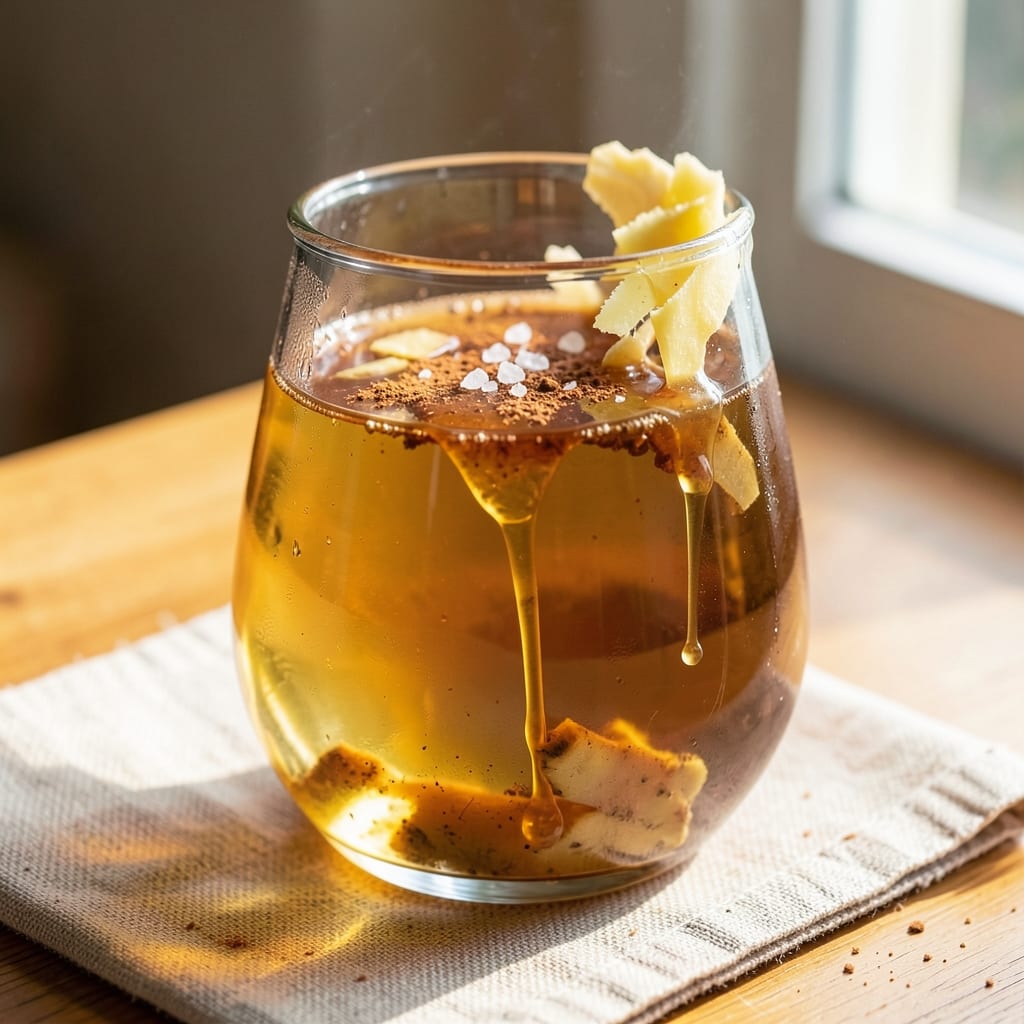
This apple cider vinegar drink recipe transforms gut health into something simple yet powerful—just 5 minutes of prep for a probiotic-packed elixir that supports digestion and balances your microbiome. The key lies in combining raw apple cider vinegar with warm water, a touch of honey, and a pinch of sea salt, creating a drink that’s both soothing and scientifically backed for digestive wellness. Unlike store-bought tonics, this version lets you control the potency and ingredients, ensuring every sip works for your body.
The beauty of this recipe is its versatility—enjoy it warm to ease digestion after meals or chill it for a refreshing morning boost. The raw apple cider vinegar provides natural probiotics and enzymes, while the honey tempers its acidity, making it gentle yet effective. For an extra gut-friendly kick, add a dash of cinnamon or fresh ginger, both of which enhance circulation and reduce bloating. It’s the kind of drink that feels like a spa treatment for your digestive system.
What sets this apart is how effortlessly it delivers results. No complicated steps or expensive ingredients—just pure, functional nutrition in a glass. The drink’s tangy yet balanced flavor makes it easy to incorporate into your daily routine, whether you’re sipping it first thing in the morning or winding down in the evening. Perfect for those focused on gut health without sacrificing taste, this elixir proves wellness can be both simple and delicious.
For those with specific dietary needs, this recipe adapts seamlessly—skip the honey for a sugar-free version or use coconut water instead of plain water for added electrolytes. The possibilities are endless, but the core benefits remain: a drink designed to nourish your gut, one sip at a time. Ready to make your own? Let’s get started.
Ingredients for apple cider vinegar drink recipe for gut health
Five simple ingredients transform into a gut-healing elixir that's easy to make.
| Ingredient | Amount | Notes |
|---|---|---|
| Raw Apple Cider Vinegar 🍎 | 2 tbsp | Unfiltered with mother preferred |
| Warm Filtered Water 💧 | 1 cup | Not boiling, just warm |
| Raw Honey 🍯 | 1 tbsp | Local honey preferred |
| Sea Salt 🧂 | ¼ tsp | Fine grain preferred |
| Fresh Ginger 🌿 | ½ tsp | Grated, optional boost |
| Ground Cinnamon 🌶️ | ¼ tsp | Ceylon cinnamon preferred |
| Fresh Lemon Juice 🍋 | ½ tsp | Freshly squeezed |
| Fresh Mint Leaves 🍃 | 2 whole | For garnish, optional |
| Ice Cubes ❄️ | ½ cup | For chilled version |
The raw apple cider vinegar is non-negotiable here—look for unfiltered with the 'mother' sediment at stores like Whole Foods or Trader Joe's. The mother contains beneficial enzymes and probiotics that store-bought vinegar lacks. For honey, local varieties work best since they contain trace amounts of local pollen that can support your immune system too. If you can't find raw honey, manuka honey is a good alternative. The sea salt should be fine grain—Diamond Crystal is my go-to for consistent measurements. Fresh ginger and cinnamon are optional but add a gut-soothing kick. I always grab ginger from the produce section and cinnamon from the spice aisle—both keep well in my pantry.
No honey? Maple syrup or agave nectar work in a pinch, though honey's antibacterial properties are ideal. Running low on apple cider vinegar? Bragg's is widely available, but any raw brand will do. Want to skip the lemon juice? A splash of coconut water adds electrolytes without the acidity. The mint is purely for garnish—fresh is best, but dried works if you're in a bind. For the water, filtered is best to avoid chlorine interfering with the drink's benefits. If you're making this for a crowd, double the batch and keep it in the fridge—just stir well before serving since the honey may settle.
This drink keeps for 5 days in the fridge, but I always make a fresh batch daily to maximize the probiotic benefits. Store it in a glass jar with a tight lid to preserve freshness. For the chilled version, add ice cubes right before serving—no need to dilute further. The ginger and cinnamon can be pre-grated and stored in small containers for up to 2 weeks. If you make extra, freeze in ice cube trays for quick gut-boosting additions to smoothies or teas later. The lemon juice and mint should be added fresh each time for the best flavor.
Why You'll Love This Recipe
- Five-Ingredient Magic: I swear by this combo—just vinegar, honey, ginger, salt, and water. No fancy gadgets, no measuring cups that make you question your life choices. Honestly, I’ve made it blindfolded (okay, maybe not, but you get the idea).
- Zesty Warmth: That first sip? Pure comfort. The ginger’s fiery kick mellows into something cozy, the honey smooths the tang, and the salt—just a pinch—ties it all together like a hug in a mug. It’s the kind of drink that makes you pause mid-morning and think, "Why didn’t I do this sooner?"
- Morning or Night: I keep a jar of this in the fridge for when my stomach’s acting up, but it’s also my go-to before bed—helps digestion without tasting like medicine. Between us, I’ve even sipped it at brunch (shhh, don’t tell my friends it’s a gut tonic).
- Pennies and Minutes: A bottle of ACV lasts months, and ginger’s cheap enough to buy in bulk. I make a big batch on Sundays—takes less time than waiting for coffee—and it’s still fresh by Friday. Budget-friendly? More like guilt-free spending.
Step-by-step instructions for apple cider vinegar gut health elixir
Here's how to craft a refreshing, probiotic-rich drink that supports digestion in just minutes.
Prepare the Base Ingredients
Start by measuring out the 2 tablespoons of raw apple cider vinegar into a small glass or pitcher. I like to use a glass with measurements to make this easy. The vinegar should be unfiltered with the "mother" for maximum probiotic benefits—you'll see those little strands floating in it.
Add the 1 cup of warm filtered water (just warm to the touch, not hot) to the vinegar. Stir gently to combine, creating a slightly tangy base. This warm water helps activate the enzymes in the vinegar while making it more palatable. If you're using local honey, add the 1 tablespoon now—it'll dissolve beautifully in the warm water, creating a natural sweetness that balances the vinegar's acidity.
Add Spices and Seasonings
Next, sprinkle in the 0.25 teaspoon of sea salt and 0.25 teaspoon of ground cinnamon. These aren't just for flavor—they work together to support digestion and blood sugar balance. The cinnamon adds warmth and depth, while the salt enhances the flavor profile and helps with electrolyte balance.
Grate the 0.5 teaspoon of fresh ginger directly into the mixture (or use the pre-grated amount if you've already prepared it). The fresh ginger adds a zesty kick that aids digestion and reduces inflammation. Stir everything together until the cinnamon and ginger are fully dissolved. You'll notice the mixture becomes aromatic and inviting—this is where the magic happens.
Finish with Citrus and Garnish
Squeeze in the 0.5 teaspoon of fresh lemon juice and add the 2 whole fresh mint leaves. The lemon juice brightens the drink and adds a refreshing citrus note, while the mint leaves contribute a subtle, cooling aroma. Gently muddle the mint leaves with a spoon to release their oils, but don't overdo it—you want to preserve their freshness.
Taste the mixture before proceeding. If you prefer it sweeter, add a touch more honey, or if it's too sharp, a splash more water can help balance the flavors. This is your chance to customize it to your taste while keeping all the gut-healthy benefits intact.
Serve Chilled or Room Temperature
For a refreshing version, add the 0.5 cup of ice cubes and stir gently. The ice will chill the drink quickly while preserving the delicate flavors. If you prefer it at room temperature, simply skip the ice and let it sit for a few minutes to cool naturally. The warm version is particularly soothing for digestion, especially after meals.
Garnish with an additional mint leaf if desired, and serve immediately. This drink is best enjoyed fresh to maximize its probiotic benefits and vibrant flavors. Store any leftovers in the refrigerator for up to 24 hours, but I find it's always best when made fresh—it's that good!
Pro Tips For Making Apple Cider Vinegar Drink Recipe For Gut Health
- STRAIN THE GINGER: Skip the blender—grate fresh ginger directly into the drink. The texture stays smooth without pulpy bits, and you avoid the hassle of cleaning a blender afterward. (Yes, even if you’re impatient like me, the extra 30 seconds saves you from fishy mouthfeel.)
- DILUTE THE VINEGAR GRADUALLY: Start with half the water, taste, then add the rest. Raw ACV is strong—your gut will thank you more if you ease into it. I learned this the hard way after chugging a too-acidic batch and regretting it for hours.
- USE COOL WATER FOR HONEY: Stir honey into cooled water first, then add the vinegar. Hot water turns honey into a clumpy mess, and nobody wants to drink glue-like syrup. Let the water sit for 5 minutes after boiling if you’re in a rush.
- SALT LAST, STIR WELL: Add sea salt after everything else, then swirl the glass in slow circles. This dissolves it completely without leaving gritty surprises. I used to dump it in early and always got that weird sandy aftertaste—don’t make my mistake.
Common mistakes when making this recipe
Overdiluting the Vinegar
One of the most common mistakes is using too much water, which weakens the drink's gut-healing properties. Stick to the 1 cup warm water measurement for every 2 tablespoons of apple cider vinegar. I’ve seen recipes that call for up to 2 cups of water, but this dilutes the acetic acid and probiotics you’re trying to consume. If you prefer a milder taste, add a splash of water after tasting the base mixture—this way, you control the potency. 💧
Using Filtered or Cooked Vinegar
Never use filtered or pasteurized apple cider vinegar—these lack the beneficial enzymes and probiotics from the "mother." Always choose raw, unfiltered vinegar with visible sediment. I recommend brands like Bragg or Whole Foods 365 for consistency. Cooked vinegar (like that used in salad dressings) has lost its gut-friendly compounds entirely. If you’re unsure, check the label for terms like "pasteurized" or "filtered"—avoid those at all costs.
Skipping the Warm Water
Cold water can make the drink harsh on your throat and stomach, while boiling water destroys the enzymes in the vinegar. Aim for water that’s warm to the touch but not hot—about 100-110°F. I test it by dipping my finger in; if it’s comfortable, it’s ready. Cold water also slows digestion, so warm water helps kickstart the drink’s benefits. Pro tip: Heat the water first, then let it cool slightly before adding it to the vinegar.
Adding Honey Too Early
If you add honey to boiling or even hot water, you’ll destroy its antibacterial properties. Wait until the water has cooled to warm (not hot) before stirring in the honey. I like to mix the vinegar and water first, then add honey while the mixture is still warm but no longer scalding. This preserves the honey’s benefits while ensuring it dissolves smoothly. For extra gut support, use raw, local honey—it contains trace enzymes that store-bought honey lacks.
Ignoring the Salt Balance
The ¼ teaspoon of sea salt isn’t just for flavor—it helps with electrolyte balance and reduces bloating. Omitting it can make the drink too acidic for sensitive stomachs. If you’re using iodized table salt, reduce to ⅛ teaspoon to avoid an iodine overload. I keep a small jar of Diamond Crystal sea salt on hand because it’s fine-grained and dissolves easily. Taste the mixture before serving; if it tastes flat, a pinch more salt can enhance the flavors while supporting digestion.
Over-Garnishing with Mint
While mint adds freshness, overdoing it can make the drink taste medicinal. Stick to 2 whole leaves—any more can overpower the apple cider vinegar’s tang. Gently muddle the leaves with a spoon to release their oils, but avoid crushing them into a pulp. If you’re sensitive to mint’s intensity, try a cucumber slice or lemon twist instead. The goal is to complement the drink, not compete with it. A light garnish keeps the focus on the gut-healing benefits.
Nutrition facts
Frequently asked questions
How often should I drink this apple cider vinegar elixir for gut health?
Start with 1 serving daily in the morning or before meals to allow your stomach to adjust. Most people tolerate it well, but listen to your body—some need to start with ½ serving to avoid acid reflux. Consistency matters more than quantity, so aim for 3-5 days per week for noticeable benefits. If you experience heartburn, reduce to every other day or dilute further with extra water.
Can I make this drink without honey?
Yes! If you're avoiding sugar, use 1 teaspoon of maple syrup or agave nectar instead. For a completely sugar-free version, skip the sweetener entirely—the vinegar's tanginess will still shine. Just note that honey helps temper the acidity, so you might want to add a pinch more cinnamon or ginger to balance the flavors. Some people also add a splash of coconut water for electrolytes without extra sugar.
Will this drink help with bloating?
Absolutely—this drink is specifically formulated to reduce bloating! The combination of apple cider vinegar (which improves digestion), ginger (a natural anti-inflammatory), and sea salt (which helps with electrolyte balance) works together to minimize gas and water retention. For best results, drink it first thing in the morning or 30 minutes before meals. If bloating persists, try adding ½ teaspoon of fennel seeds (lightly crushed) to your drink for extra relief.
Can I use this recipe with children?
For children under 12 years old, use ½ the vinegar amount (1 tablespoon) and reduce honey to ½ teaspoon. Always consult your pediatrician first, as apple cider vinegar can be too acidic for young stomachs. For kids over 12, the full recipe is safe, but monitor their reaction—some children are more sensitive to the acidity. Never give this to infants or toddlers without medical advice.
How does this compare to store-bought ACV drinks?
This homemade version is far superior for gut health! Store-bought ACV drinks often contain added sugars, artificial flavors, or pasteurized vinegar that lack probiotics. Our recipe uses raw, unfiltered vinegar with the mother, which contains beneficial enzymes and bacteria. Plus, you control the ingredients—no hidden additives or excessive sweetness. For maximum benefits, always make fresh batches rather than relying on pre-made tonics.