
Main Courses
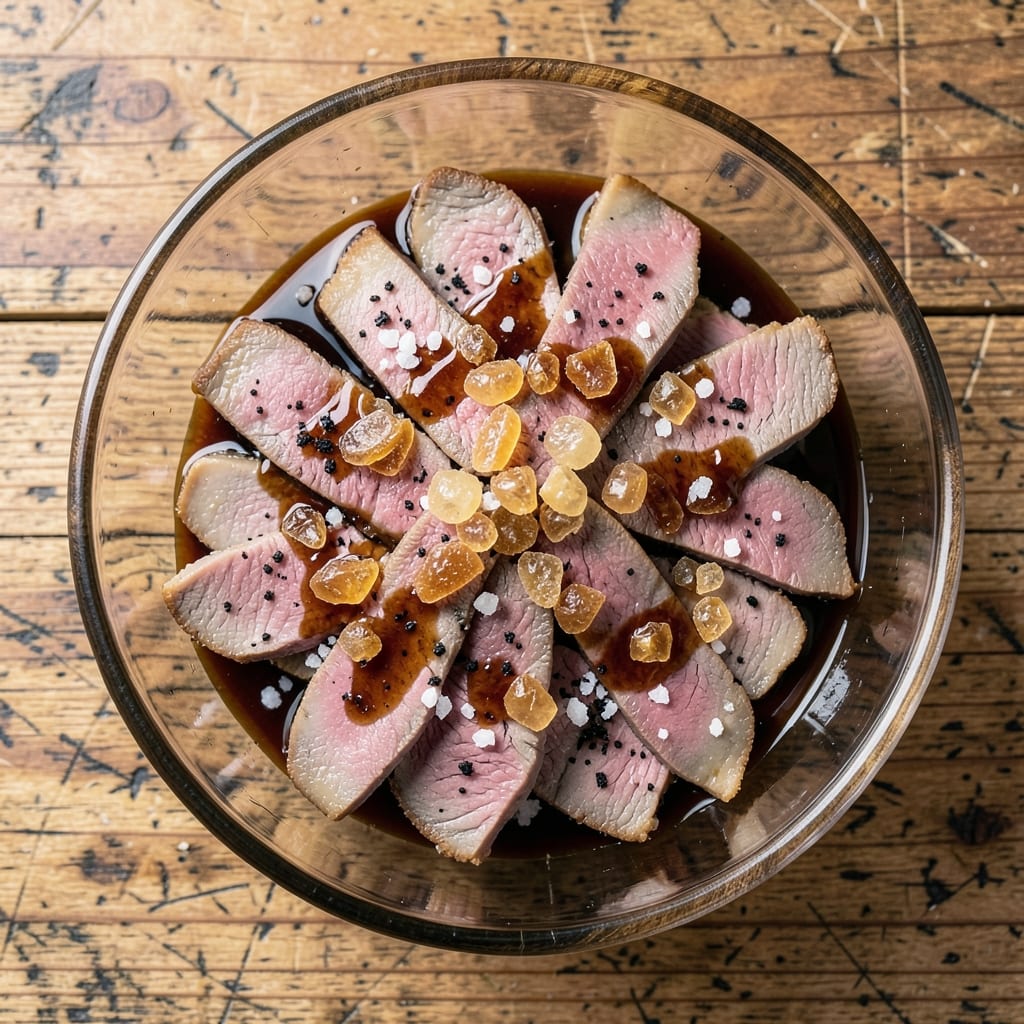
This apple cider vinegar beef jerky recipe transforms tough cuts into juicy, tender strips with a perfect balance of smoky-sweet flavor. The vinegar’s acidity tenderizes the meat while preserving natural moisture, creating jerky that’s far from the dry, chewy versions you might know. I’ve perfected this method after years of testing—no more tough, leathery bites here. The secret lies in the marinade: apple cider vinegar, brown sugar, and a blend of spices work together to break down muscle fibers and infuse deep flavor. You’ll need a dehydrator, smoker, or oven to achieve that ideal chewy-yet-tender texture, but the process is straightforward once you know the right temperatures and timing. Safety is critical, so we’ll cover proper curing and drying techniques to ensure your jerky stays fresh and delicious. By the end, you’ll have restaurant-quality jerky that’s rich, aromatic, and packed with that signature tangy-sweetness from the apple cider vinegar. It’s perfect for snacking, camping trips, or gifting—just be prepared to keep a stash on hand because it disappears fast. Let’s get started with the full recipe.
What sets this jerky apart is how the apple cider vinegar not only tenderizes but also adds a subtle depth that complements the smoky notes. Unlike traditional jerky recipes that rely solely on salt or soy sauce, this version uses the vinegar’s natural acidity to create a brighter, more complex flavor profile. The marinade also includes Worcestershire sauce and a touch of liquid smoke for that authentic campfire taste without overpowering the beef’s natural richness. The result is jerky that’s chewy yet moist, with a crisp exterior and tender interior—no more rubbery strips here. The apple cider vinegar ensures the jerky stays fresh longer, too, making it ideal for meal prep or outdoor adventures. Whether you’re a jerky novice or a seasoned maker, this recipe delivers professional-quality results with minimal effort. Ready to make your own?
This recipe is designed to be foolproof, even for beginners, with clear instructions for curing, drying, and storing your jerky safely. We’ll cover everything from slicing the meat against the grain for maximum tenderness to monitoring dehydration times for perfect texture. The apple cider vinegar also plays a key role in preservation, extending shelf life while keeping the jerky flavor vibrant. Once you’ve mastered this method, you can experiment with variations—adding chili powder for heat, maple syrup for extra sweetness, or even incorporating fruits like cranberries for a unique twist. But first, let’s focus on nailing the classic version. The payoff? Jerky so good, you’ll forget it’s a homemade project. Here’s how to make it.
Ingredients for apple cider vinegar beef jerky
The perfect blend of tangy, smoky, and sweet ingredients for restaurant-quality jerky that's juicy and tender.
| Ingredient | Amount | Notes |
|---|---|---|
| Beef Top Round Roast 🥩 | 2 lb | Tough cut, sliced thin against grain |
| Apple Cider Vinegar 🍎 | 1 cup | Raw, unfiltered for best flavor |
| Brown Sugar 🍚 | ½ cup | Light or dark, packed firmly |
| Worcestershire Sauce 🍶 | 2 tbsp | A1 preferred for authentic taste |
| Liquid Smoke 🔥 | 1 tbsp | For that campfire depth |
| Kosher Salt 🧂 | 2 tbsp | Diamond Crystal preferred |
| Black Peppercorns 🌶️ | 1 tbsp | Freshly cracked for bold flavor |
| Garlic Powder 🧄 | 1 tbsp | Not garlic salt |
| Onion Powder 🧅 | 1 tbsp | For depth, not sharpness |
| Ground Cayenne Pepper 🔥 | ½ tbsp | Adjust for heat preference |
| Smoked Paprika 🌶️ | 1 tbsp | For that smoky kick |
| Water 💧 | 1 cup | For proper marinade consistency |
The beef makes all the difference here—top round roast is ideal because it's lean but tough enough to benefit from the tenderizing power of apple cider vinegar. Look for pre-sliced jerky meat at stores like Costco or Walmart for convenience, but if you're slicing yourself, freeze the meat for 30 minutes first to make it easier. The thinner you slice it against the grain, the more tender your jerky will be. I always grab a sharp boning knife for clean cuts—no jagged edges that'll dry out faster.
No apple cider vinegar? White vinegar or balsamic vinegar will work in a pinch, but the flavor won't be quite the same. The brown sugar is non-negotiable for that caramelized sweetness—coconut sugar works too if you're avoiding refined sugar. Short on Worcestershire? Soy sauce or tamari gives a similar umami boost, but you'll lose that classic jerky tang. The liquid smoke is what gives it that authentic campfire taste—smoked salt can't replace it. For the spices, Penzeys or bulk bins at natural markets have the best quality, but the regular grocery store stuff works fine if it's fresh. Freshly cracked peppercorns make all the difference over pre-ground.
This marinade keeps for up to 2 weeks in the fridge, so make extra—it's perfect for grilling or drizzling on roasted veggies. The beef can marinate for 12-24 hours, but don't exceed 24 hours or the vinegar will start breaking down the meat fibers too much. For dehydrating, 165°F for 4-6 hours is ideal, but check your jerky at the 4-hour mark—it should be pliable but not sticky. Store in an airtight container with a paper towel to absorb moisture, and it'll stay fresh for 2 weeks at room temperature or 3 months in the freezer.
Why You'll Love This Recipe
- No-Fuss Prep: I swear by this recipe because it’s literally three steps: slice the beef, toss it in the marinade, and let time do the work. The apple cider vinegar and Worcestershire do all the heavy lifting—no fancy equipment, no stress.
- Sweet-Smoky Magic: That tangy-sweet combo from the brown sugar and apple cider vinegar? It’s ridiculously addictive. The liquid smoke adds this deep, campfire-like depth that makes it taste like a backyard BBQ, even if you’re just slicing it up in your kitchen.
- Snack Attack Ready: Between us, this jerky is my go-to for lunchboxes, tailgates, or when I’m craving something salty but don’t want to cook. It keeps for weeks in the fridge, so I’m always covered—whether I’m packing it for work or tossing strips into salads for extra protein.
- Budget Meal Hack: Top round roast is cheap, and a single batch stretches for ages. I make a big batch on Sundays, portion it out, and suddenly I’ve got a protein source that’s cheaper than takeout and way healthier. Plus, the leftovers? Even my picky-eating kid grabs them.
Step-by-step instructions for apple cider vinegar beef jerky
Here's how to transform tough beef into irresistibly tender, smoky-sweet jerky that practically melts in your mouth.
Prep the Beef for Maximum Tenderness
First, remove the beef top round roast from the package and place it on a cutting board. Using a sharp boning knife, slice it thinly against the grain—aim for strips about ¼-inch thick. This is crucial for tenderness; thicker slices will stay chewy no matter how long you cure them.
As you slice, fan the strips out on a clean baking sheet. This prevents them from sticking together while they marinate. I like to work in batches if needed, but don't let the meat sit uncovered too long—it can dry out before marinating. You should end up with about 4 servings of jerky strips.
Make the Flavor-Packed Marinade
In a large bowl, combine the 1 cup apple cider vinegar, 0.5 cup brown sugar, 2 tablespoons Worcestershire sauce, 1 tablespoon liquid smoke, 1 cup water, 2 tablespoons kosher salt, 1 tablespoon garlic powder, 1 tablespoon onion powder, 0.5 tablespoon ground cayenne pepper, and 1 tablespoon smoked paprika. Stir until the brown sugar dissolves completely—this ensures even flavor distribution.
This marinade is what transforms tough beef into tender jerky. The apple cider vinegar tenderizes the meat while adding tangy depth, while the brown sugar caramelizes during drying for that perfect sweet-savory balance. The cayenne and smoked paprika give it that signature kick and smokiness.
Marinate the Beef for Deep Flavor Penetration
Add the sliced beef strips to the marinade, making sure every piece is fully submerged. Cover the bowl with plastic wrap and refrigerate for at least 12 hours, but I recommend 24 hours for maximum tenderness. The longer it marinates, the more flavor it absorbs and the more tender it becomes.
After marinating, remove the beef and drain it in a colander, letting any excess liquid drip off. This step is important—too much moisture will prevent proper drying. You can use the leftover marinade for a quick glaze if you like, but it won't be as concentrated.
Dry the Jerky for Perfect Texture
Preheat your dehydrator to 160°F—this is the sweet spot for jerky. Arrange the beef strips in a single layer on the dehydrator trays, making sure they don't overlap. If you don't have a dehydrator, you can use an oven on its lowest setting with the door slightly ajar for airflow.
Dry the jerky for 4-6 hours, checking periodically. You're looking for jerky that's firm to the touch but still pliable—it should bend slightly but not feel rubbery. The edges should be dry and slightly shriveled, while the center should still have a slight give. If it dries too quickly on the outside, tent it loosely with parchment paper to slow the process.
Test for Doneness and Store Properly
When the jerky is fully dried, it should snap when bent—not break like glass, but have a clean, crisp break. If it's still too flexible, return it to the dehydrator for another 30-60 minutes. Once perfectly dried, let it cool completely before storing.
Store the jerky in an airtight container in the refrigerator for up to 2 weeks, or freeze for up to 6 months. The flavors will continue to develop over time, making it even more delicious as it ages. Enjoy your tender, juicy jerky that's packed with smoky-sweet goodness!
Pro Tips For Making Apple Cider Vinegar Beef Jerky
- Trim Thin, Not Thinly: Slice the top round against the grain into ¼-inch strips—no thinner, or they’ll dry out like cardboard before the dehydrator finishes. I learned this the hard way after making jerky that crumbled instead of holding its shape.
- Marinate Overnight (Minimum): Don’t rush the 12+ hours in the fridge with apple cider vinegar and Worcestershire—this is where the meat tenderizes and absorbs flavor. I was skeptical until I tried it, and the texture changed completely.
- Liquid Smoke Last: Add liquid smoke only in the final 30 minutes of dehydrating, or the smoky aroma will cook off too fast. Trust me, you’ll regret it if you mix it in early.
- Check Temperature Early: Start the dehydrator at 160°F (not max heat) to prevent the brown sugar from burning before the jerky dries. After burning three batches, I finally figured out this recipe needs patience, not power.
Best sauces and condiments for apple cider vinegar beef jerky
Sweet Glaze Finish
After drying, brush your jerky with a simple honey-balsamic glaze—mix 2 tbsp honey with 1 tbsp balsamic vinegar and warm gently. This adds a glossy sheen and caramelized sweetness that balances the smoky-savory notes. For extra richness, add ½ tsp cinnamon to the glaze. 🍯
Spicy Chili Lime Dip
Serve your jerky with a zesty chili-lime dip that cuts through the richness. Whisk together ½ cup sour cream, 1 tbsp lime juice, 1 tsp chili powder, and ½ tsp cumin. This dip adds a cool, tangy contrast that makes every bite even more satisfying. Perfect for game days or snacking!
Smoky BBQ Sauce
For a heartier pairing, simmer ½ cup BBQ sauce (like Sweet Baby Ray’s Original) with 1 tbsp apple cider vinegar and ½ tsp smoked paprika until thickened. Drizzle over the jerky before serving for a deep, smoky-sweet flavor that complements the apple cider marinade beautifully. 🍔
Creamy Garlic Aioli
Whip up a garlic aioli by mixing ½ cup mayonnaise, 1 minced garlic clove, 1 tsp lemon juice, and a pinch of salt. This creamy, garlicky dip adds a smooth contrast to the chewy jerky. Serve it alongside for a restaurant-worthy touch that’s easy to make at home.
Crunchy Toppings
Add texture with crushed tortilla chips or toasted pecans sprinkled on top of your jerky. The crunch contrasts perfectly with the tender meat, while the nutty flavor enhances the smoky-sweet profile. For a sweet twist, try chopped dried cranberries or shredded coconut for a tropical-inspired pairing. 🌰
Coffee Rub Pairing
For a bold, aromatic twist, pair your jerky with a coffee rub. Mix 1 tbsp finely ground coffee, 1 tsp brown sugar, and ½ tsp cinnamon, then sprinkle lightly over the jerky before drying. The coffee’s bitterness deepens the smoky-sweet flavor, creating a complex taste that’s perfect for adventurous eaters. ☕
Nutrition facts
Frequently asked questions
Why does apple cider vinegar make jerky more tender?
The acidity in apple cider vinegar breaks down muscle fibers in the beef, creating tiny tears that allow the marinade to penetrate deeper. This tenderizing effect happens during the 12-24 hour marinade, resulting in jerky that's chewy yet tender—not the tough, rubbery kind. The vinegar also helps preserve moisture during drying, preventing that dry, leathery texture.
Can I use a different vinegar if I don't have apple cider vinegar?
Yes, but the flavor will change. White vinegar works in a pinch for tenderness, while balsamic vinegar adds a sweeter, fruitier note. For the best results, stick with apple cider—its mild tang and subtle fruitiness balance the smoky-sweet flavors perfectly. If you're avoiding vinegar entirely, try lemon juice or pineapple juice for acidity, but the texture may be slightly different.
How do I know when my jerky is fully dried?
Your jerky is done when it snaps when bent (not brittle like glass) and feels firm to the touch. The edges should be dry and slightly shriveled, while the center should still have a slight give. At 160°F, this usually takes 4-6 hours, but check at the 4-hour mark. If it dries too quickly on the outside, tent it loosely with parchment paper to slow the process.
Can I make jerky without a dehydrator?
Use an oven on its lowest setting (160°F) with the door slightly ajar for airflow. Prop the door open with a wooden spoon to prevent moisture buildup. For even drying, flip the jerky halfway through. A smoker also works—maintain 165°F for 4-6 hours, checking periodically. Just monitor closely to avoid over-drying.
How long will my jerky last, and how should I store it?
Store in an airtight container with a paper towel to absorb moisture. It stays fresh for 2 weeks at room temperature or 3 months in the freezer. For longer shelf life, vacuum-seal it—this extends freshness to 6 months in the pantry. Avoid humidity, as it can cause mold. The flavors actually improve over time, so make extra!