
Beverages
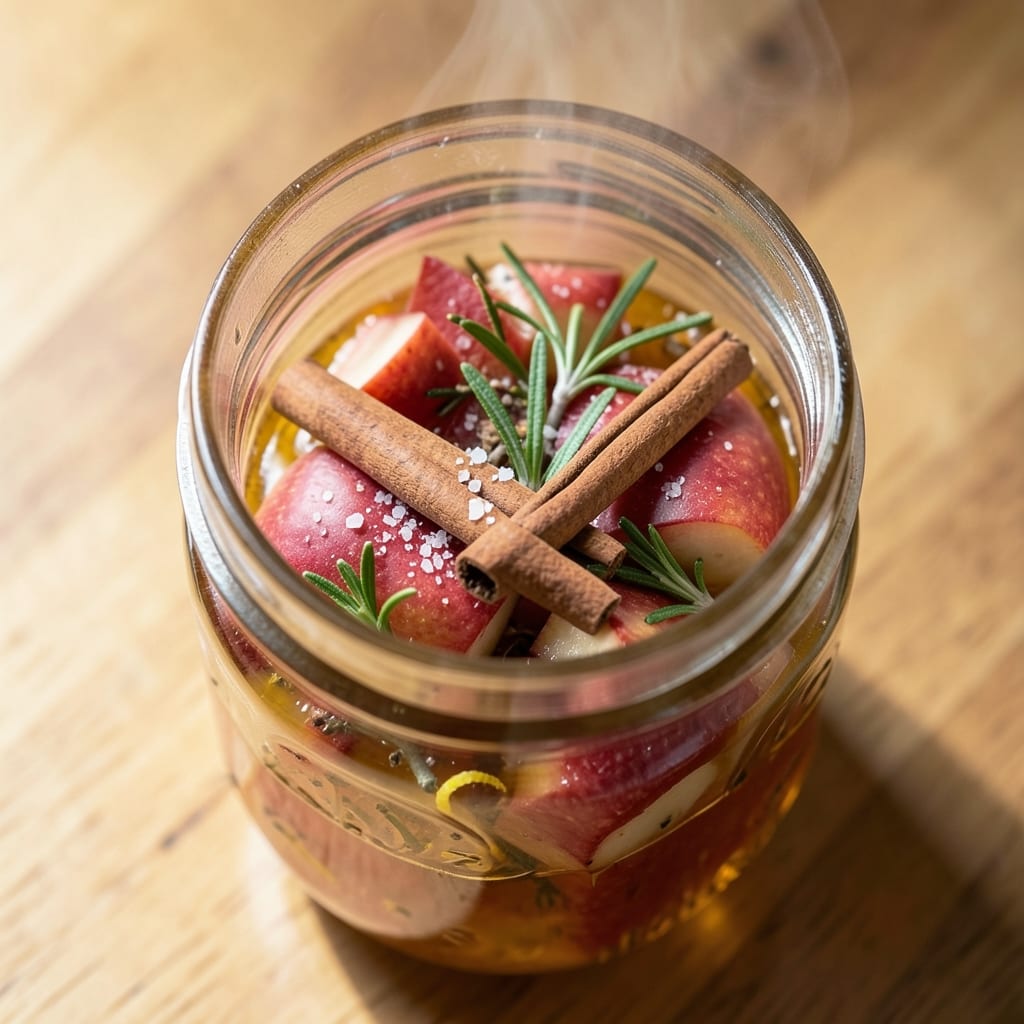
This apple cider shrub recipe transforms simple pantry staples into a vibrant, tangy-sweet condiment that elevates everything from cocktails to salads. The magic happens through fermentation, where apple cider and vinegar meld with honey for a balanced, complex flavor that brightens drinks and dishes alike. I’ve perfected this recipe over years of experimentation, ensuring it’s foolproof yet customizable to your taste.
The process is straightforward: combine peeled apples, apple cider vinegar, honey, and optional spices like cinnamon or rosemary in a jar, then let it ferment for 3–5 days. This waiting period develops the shrub’s signature zing—think of it as a liquid spice blend with a refreshing kick. The result is a syrupy, aromatic liquid that adds depth to cocktails, drizzles over roasted vegetables, or even balances rich desserts.
What sets this shrub apart is its versatility. Use it to acidify cocktails like whiskey sours or gin fizzes, or drizzle it over grilled meats and cheeses for a tangy contrast. The fermentation process preserves the shrub for months, making it a pantry staple worth repeating. Once you taste the difference between store-bought and homemade, you’ll never go back.
Storage is simple: keep the shrub in an airtight jar in the refrigerator, where it’ll stay fresh for up to 6 months. For best results, shake before each use to redistribute settled flavors. This isn’t just a condiment—it’s a flavor multiplier that turns ordinary meals into something extraordinary.
Ingredients for apple cider shrub
Eight simple ingredients transform into a vibrant, tangy-sweet condiment perfect for cocktails and beyond.
| Ingredient | Amount | Notes |
|---|---|---|
| Organic Honeycrisp Apples 🍎 | 2 whole | Peeled, cored, chopped small |
| Apple Cider Vinegar 🍏 | 1 ½ cups | Raw, unfiltered preferred |
| Raw Honey 🍯 | 1 cup | Local, unprocessed preferred |
| Cinnamon Sticks 🌿 | 2 whole | For aroma infusion |
| Fresh Rosemary 🌿 | ½ cup | Chopped, stems removed |
| Sea Salt 🧂 | ½ tsp | Fine grain preferred |
| Black Peppercorns 🌶️ | 1 tsp | Crushed lightly |
| Lemon Juice 🍋 | ½ cup | Freshly squeezed |
The apples are the heart of this shrub—Honeycrisp delivers the perfect balance of sweetness and acidity, but Granny Smith works beautifully too if that's what's in season. I always buy organic when possible, but conventional works fine if you give them a good rinse. For the vinegar, raw, unfiltered apple cider vinegar from brands like Bragg or Texas Cider Co adds depth, but regular apple cider vinegar still gives great results. The honey should be raw and unprocessed—local honey adds subtle floral notes that store-bought can't match. If you can't find Honeycrisp, Fuji or Gala apples work well too, though they'll be slightly less tart.
No fresh rosemary? Dried rosemary at half the amount still adds aroma, though fresh is ideal. Running short on cinnamon sticks? Ground cinnamon at one-quarter teaspoon works in a pinch. The lemon juice can be swapped for lime juice if you prefer, though it'll have a slightly different brightness. For a spicier kick, add a pinch of cayenne to the mix. The sea salt enhances all the flavors—don't skip it, even if your vinegar is already salty. If you're making this for cocktails, you can omit the peppercorns, but they add a nice complexity to savory applications. Trader Joe's usually carries all these ingredients in one shopping trip—perfect for a quick pantry raid.
This shrub keeps beautifully in the fridge for up to 6 months in an airtight jar. The flavors actually improve with time, developing more complexity as it ferments. I always make a double batch—one jar for drinks, one for savory dishes. For best results, shake the jar gently before each use to redistribute any settled flavors. The shrub thickens over time, so you might need to thin it with a splash of water if it gets too syrupy. Store it in a dark glass jar to protect from light, which can degrade the flavors over time. The fermentation process means it's shelf-stable, but the freshest batches always taste best.
Why You'll Love This Recipe
- Five-Minute Chopping: I swear by my mandoline for this—those Honeycrisp apples slice so cleanly, no peeling required. You’ll have a bowl of fruit ready in less time than it takes to brew coffee.
- Warm Spice Magic: That first sip of rosemary-infused cider vinegar with honey? It’s like fall in a bottle. The cinnamon sticks steep into something rich and cozy, turning plain water into a morning ritual.
- Party in a Jar: Between us, this is my go-to for holiday gatherings—no one suspects how easy it is. Add it to sparkling water for a fancy drink, drizzle over yogurt for breakfast, or toss with roasted veggies. It’s the ultimate crowd-pleaser.
- Lasts All Season: I make a big batch in October and it keeps in the fridge for weeks. The flavors only deepen over time, and it’s way cheaper than buying fancy syrups or dressings. Plus, the honey never crystallizes—just stir and go.
Step-by-step instructions for apple cider shrub
Here's how to craft this vibrant, aromatic shrub that transforms simple drinks into extraordinary elixirs.
Prepare the Apple Base
Start by peeling, coring, and finely chopping the 2 whole Organic Honeycrisp Apples into small, even pieces. The smaller the pieces, the more surface area for flavor extraction. Transfer the chopped apples to a large glass jar with a tight-fitting lid.
Add the 0.5 cup Lemon Juice and 0.5 tsp Sea Salt to the jar. The lemon juice brightens the apple's natural sweetness while balancing the acidity, and the salt enhances all the flavors. Give it a gentle stir to combine everything thoroughly. This initial mixture should be slightly chunky—those apple pieces will soften as they steep.
Combine Vinegar and Honey
In a separate bowl, whisk together the 1.5 cups Apple Cider Vinegar and 1 cup Raw Honey until the honey dissolves completely. This creates a smooth, syrupy base that will infuse with the apple flavors. Pour this mixture into the jar with the apple preparation.
Add the 2 whole Cinnamon Sticks and 0.5 cup Fresh Rosemary. The cinnamon adds warm, spiced depth while the rosemary contributes an earthy, piney complexity. Seal the jar tightly and give it one final shake to ensure all ingredients are well incorporated. The rosemary stems should be submerged to prevent mold growth during fermentation.
Infuse and Ferment
Place the sealed jar in a cool, dark location where the temperature remains between 65°F and 75°F. This temperature range is ideal for a gentle fermentation process without encouraging bacterial growth. Let the shrub steep for 7 to 10 days, shaking the jar gently once daily to redistribute the flavors and prevent any ingredients from settling.
After 5 days, you'll notice the liquid beginning to take on a golden hue and the aroma will become noticeably more complex. The apple pieces will soften and release their juices, creating a rich, syrupy consistency. The shrub is ready when it reaches your preferred balance of sweet, tart, and aromatic notes—typically around 7 to 10 days.
Strain and Store
Once the shrub has developed to your liking, strain out the apple pieces, cinnamon sticks, and rosemary using a fine-mesh sieve or cheesecloth. Press gently on the solids to extract every last drop of flavorful liquid. Discard the spent solids or compost them—they're still packed with flavor.
Transfer the strained shrub to clean, sterilized glass bottles or jars. Store in the refrigerator where it will keep for up to 6 months. The flavors will continue to mellow and deepen over time, making it even more versatile as you use it in cocktails, dressings, or marinades.
Test and Adjust
Before using your shrub, taste it straight or mixed with sparkling water to assess the flavor balance. If it's too tart, add a touch more honey. If it needs more complexity, consider adding a pinch of the crushed 1 tsp Black Peppercorns directly to your final application—this adds a subtle heat that complements the apple's natural sweetness beautifully.
This shrub works wonders in cocktails like shrub sodas, mixed drinks, or even as a glaze for roasted meats. The perfect ratio is typically 1 to 2 tablespoons of shrub per drink, depending on how intense you want the apple-cider flavor to be. Enjoy the process of creating something so versatile and full of character!
Pro Tips For Making Apple Cider Shrub
- CHOP APPLES SMALLER THAN YOU THINK: I learned this the hard way—big chunks of Honeycrisp stay underripe and gummy. Dice them into ¼-inch pieces so the vinegar and honey can fully penetrate every bit. (Yes, it takes longer, but your shrub will taste like autumn in a bottle.)
- STEEP CINNAMON STICKS FIRST: Warm the cinnamon sticks in the vinegar for 10 minutes before adding apples—this unlocks their flavor without bitterness. Skip this, and you’ll just be drinking faintly spiced vinegar.
- USE COLD HONEY: Drizzle raw honey straight from the fridge over the hot vinegar mixture. Cold honey blends smoother and prevents clumping, which turns your shrub into a sticky mess. (Trust me, I’ve seen it happen.)
- STRAIN OUT ROSEMARY AFTER 3 DAYS: Toss in fresh rosmary sprigs when you start, but fish them out after 72 hours—any longer and it turns bitter. The shrub’s bright, herbal note fades fast, so time it right.
Common mistakes when making this dish
Over-Fermenting Risks
Leaving your shrub to ferment beyond 10 days can turn that perfect tangy-sweet balance into something overly sour or even vinegary. I’ve ruined batches by forgetting to taste-test at 7 days—the flavors can evolve quickly, especially in warmer temperatures. If your shrub smells sharp or tastes harsh, it’s overdone. 🌡️
Skipping the Daily Shake
Shaking your jar once daily isn’t just for show—it redistributes flavors and prevents the apples from sitting at the bottom, where they can ferment unevenly. I once made a batch where I only shook it every other day, and the bottom layers tasted duller. A quick 10-second shake keeps everything infused and consistent.
Using Non-Organic Apples
If you use conventional apples without rinsing, the wax or pesticide residue can alter the shrub’s flavor or even encourage unwanted fermentation. I always rinse Honeycrisp apples under cold water before peeling, but if you’re using organic, skip this step. The skin’s natural oils add subtle depth, but cleanliness is key for safety.
Ignoring the Honey-to-Vinegar Ratio
The 1:1.5 ratio of honey to vinegar is critical—too much vinegar makes the shrub harsh, while too little honey leaves it cloyingly sweet. I’ve adjusted batches by adding 1 tablespoon of honey at a time until the balance feels right. Taste as you go; your shrub should sing with both sweetness and acidity.
Not Sterilizing Your Jar
Even a small amount of bacteria or mold can ruin your shrub. I sterilize my glass jar by running it through the dishwasher or boiling it for 5 minutes before use. For extra peace of mind, add the lemon juice and salt first—they act as natural preservatives while you prep the rest.
Rushing the Fermentation
Trying to speed up fermentation by storing the jar in a warm spot (like the oven) can lead to mold or off-flavors. Stick to 65–75°F—your kitchen counter is perfect. If you’re impatient, strain the shrub early and let it mellow in the fridge for a few days. Patience pays off with deeper, more complex flavors. ⏳
Nutrition facts
Frequently asked questions
Can I make this apple cider shrub without honey?
Yes! Swap the honey for 1 cup of maple syrup or 1.5 cups of granulated sugar (dissolved in warm vinegar). Maple syrup adds subtle earthy notes, while sugar creates a cleaner sweetness. Adjust to taste—some prefer the deeper complexity of honey, but these alternatives work beautifully.
How do I know when the shrub is ready?
Taste it after 5 days—it should have a bright, tangy-sweet balance with no harsh vinegar bite. After 7-10 days, the flavors deepen. Look for a golden hue and aromatic complexity. If it smells sharp or tastes overly sour, it's over-fermented.
What are the best cocktails to make with this shrub?
Try a classic Shrub Soda (2 tbsp shrub + sparkling water + ice), or mix 1 oz shrub with 3 oz gin and 4 oz tonic for a zesty gin fizz. It also elevates whiskey sours—replace simple syrup with shrub for apple-cider depth. The possibilities are endless!
Can I use this shrub in savory dishes?
Drizzle over roasted pork tenderloin, toss with goat cheese salads, or use as a marinade for grilled chicken. The tangy-sweet balance cuts through rich flavors beautifully. Start with 1 tbsp per serving and adjust to taste.
Why did my shrub turn cloudy or develop mold?
Cloudiness is normal if the jar wasn't sterilized properly or if the rosemary wasn't fully submerged. Mold (fuzzy spots) means contamination—discard immediately. Always use clean tools, submerge herbs, and store at 65–75°F**. A quick fix for cloudiness is straining through a coffee filter.