
Main Courses
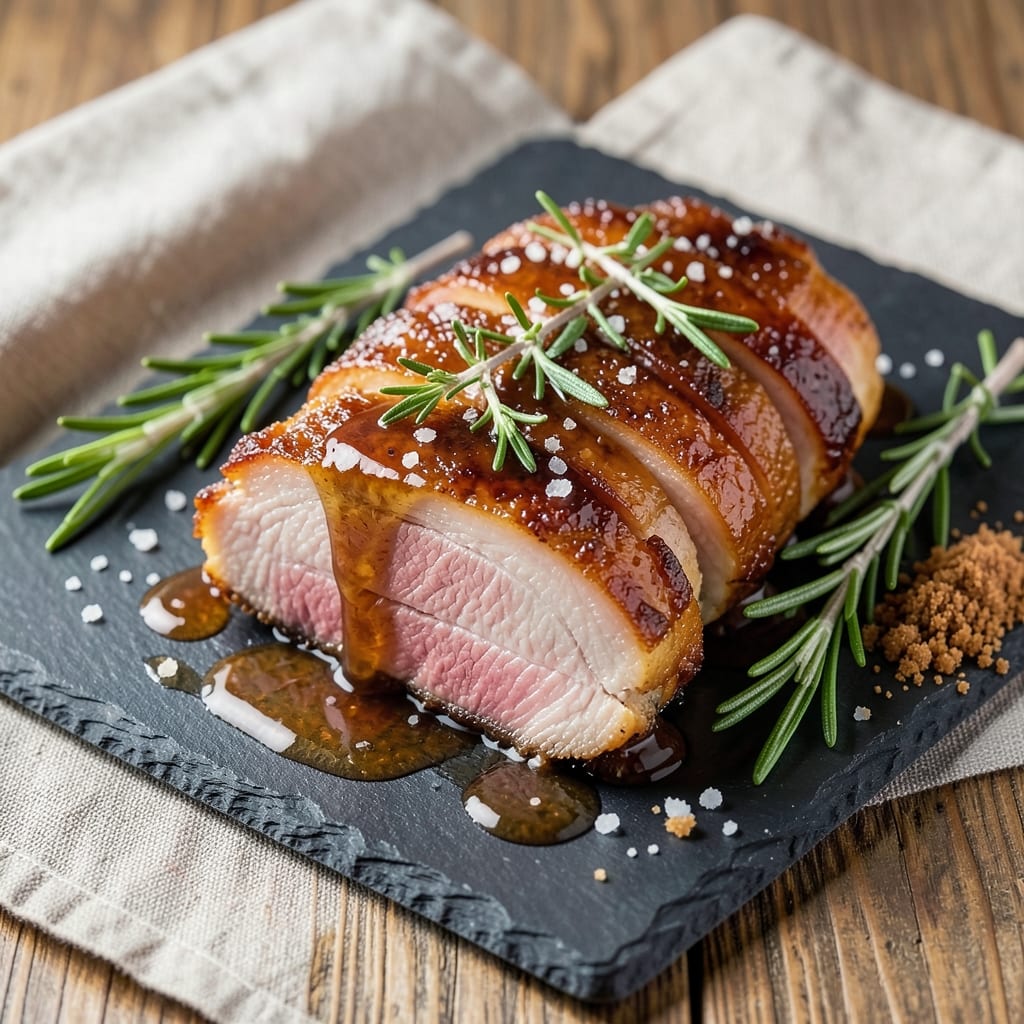
This apple cider pork belly recipe delivers the perfect balance of crispy, caramelized edges and tender, juicy meat—transforming a simple cut into a showstopping centerpiece. 🔥 The secret lies in slow-braising the pork belly with apple cider until fall-apart tender, then finishing it under the broiler to create that coveted crackling bark. I developed this technique during a particularly chilly Georgia autumn, when the scent of simmering cider and pork filled the kitchen and had everyone rushing to the table.
The process starts with a simple salt rub and a long, slow braise in apple cider, which infuses the meat with sweet, tangy depth while keeping it impossibly tender. What makes this recipe special is the two-stage cooking method—first braising to break down the fat and collagen, then broiling to render that irresistible crispy skin. The result? A dish that’s rich, flavorful, and restaurant-quality without requiring hours of hands-on time.
By the time you serve it, your pork belly will have a crispy bark that shatters at the slightest touch, giving way to layers of tender, caramelized meat. The apple cider glaze adds a bright, fruity contrast that cuts through the richness, making every bite a perfect harmony of textures and flavors. This is the kind of dish that elevates a weeknight dinner into a memorable feast—one that pairs beautifully with roasted root vegetables or a simple green salad.
Whether you're cooking for a holiday gathering or treating yourself to a special meal, this recipe delivers foolproof results. The slow-cooked method ensures tenderness, while the crispy finish adds drama and depth. Let’s get started—your kitchen will smell like autumn in no time.
Ingredients for apple cider pork belly
Transform simple pork belly into restaurant-quality crispy perfection with these carefully chosen ingredients.
| Ingredient | Amount | Notes |
|---|---|---|
| Pork Belly 🥓 | 3 lb | Skin-on, thick-cut preferred |
| Apple Cider 🍎 | 2 cups | Unfiltered, organic preferred |
| Kosher Salt 🧂 | ½ cup | Diamond Crystal preferred |
| Brown Sugar 🍚 | ¼ cup | Light or dark variety |
| Fresh Thyme 🌿 | ¼ cup | Stems removed, chopped |
| Fresh Rosemary 🌿 | ⅛ cup | Needles finely chopped |
| Black Peppercorns 🌶️ | 1 tbsp | Freshly cracked |
| Garlic Cloves 🧄 | 6 cloves | Smashed, not minced |
| Unsalted Butter 🧈 | ½ cup | Cold, cubed |
| Honey 🍯 | 2 tbsp | Wildflower preferred |
| Apple Cider Vinegar 🍶 | 1 tbsp | For glaze acidity |
| Cornstarch 🌾 | 2 tbsp | For crispy finish |
The pork belly is non-negotiable for this recipe—look for thick-cut pieces with ample fat cap, which renders beautifully during cooking. Whole Foods Market or your local butcher shop are ideal sources, as they often carry higher-quality cuts than standard grocery stores. If you can't find thick-cut, trim excess fat to about 1/4-inch thickness for even cooking. For the apple cider, unfiltered varieties like Woodchuck Hard Cider or Angry Orchard add depth of flavor, but any quality cider will work. The kosher salt should be coarse—Diamond Crystal dissolves more slowly, creating better texture on the pork's surface.
No apple cider vinegar? White vinegar or lemon juice works in a pinch, though the flavor profile will differ slightly. Substituting maple syrup for half the honey adds complexity, but the glaze may lack brightness. For the herbs, dried thyme at one-third the amount can replace fresh, but fresh always delivers superior aroma. If you're short on time, pre-minced garlic is acceptable, though smashing whole cloves releases more flavor. The cornstarch is crucial for that signature crispy bark—don't skip it, even if you're impatient for the final broil.
Store any leftover pork belly in an airtight container for up to 4 days, though it reheats best when warmed gently in the oven. The rendered fat can be repurposed for roasting vegetables or frying eggs—just strain it through a fine-mesh sieve first. For maximum crispiness, broil the pork belly directly from the fridge, as the cold fat renders more evenly. This dish freezes beautifully for 3 months—portion the fat cap separately to preserve texture when reheating.
Why You'll Love This Recipe
- One-Pot Magic: I swear by this recipe because it’s the kind of dish where you toss everything into one pan—pork belly, apple cider, and thyme—and walk away. No chopping, no fussing, just 45 minutes of hands-off cooking while the sweet-tangy cider caramelizes into a glossy glaze.
- Sweet-Savory Crunch: The brown sugar and apple cider create this perfect balance—crispy, caramelized edges on the pork with a sticky, slightly tangy center. Honestly, the first bite makes me pause mid-chew, like, "Wait, is this actually real?"
- Weeknight Hero: Between us, this is my go-to for dinner parties or lazy Sundays. The leftovers? Even better cold the next day—crispy pork slices over salad or toast? Yes, please. And it’s the kind of dish that feels special but doesn’t require a 5-course menu.
- Budget-Friendly Feast: Pork belly might sound fancy, but a slab goes a long way, and the apple cider adds depth without breaking the bank. I’ll be real: I’ve made this for six people and still had leftovers, all while spending less than $15 on the main ingredients. That’s a win.
Step-by-step instructions for apple cider pork belly
Transforming pork belly into crispy, caramelized perfection requires patience and precision.
🔥 Step 1: Cure the Pork Belly for Maximum Flavor
In a large bowl, combine the 0.5 cup kosher salt, 0.25 cup brown sugar, 0.25 cup chopped fresh thyme, 0.125 cup chopped fresh rosemary, and 1 tablespoon freshly cracked black peppercorns. Mix thoroughly to create an even curing blend.
Pat the 3 lb pork belly completely dry with paper towels—this is critical for crispy bark. Rub the curing mixture all over the pork belly, pressing firmly so the seasoning adheres. Place the seasoned pork belly in a shallow dish and refrigerate uncovered for 12-24 hours. This dry cure draws out moisture and creates that prized crispy exterior.
🍳 Step 2: Render Fat and Develop Crispy Bark
Preheat your oven to 275°F. Place the cured pork belly fat-side down on a wire rack set over a baking sheet. This elevated position allows hot air to circulate underneath, rendering fat without steaming the meat.
Roast for 2 hours until the pork belly reaches 160°F internally and the fat has rendered about 75%. You'll know it's ready when the skin starts to pull away slightly from the meat and develops a golden hue. Real talk: don't rush this step—slow cooking builds layers of flavor and texture that can't be replicated with high heat.
🥘 Step 3: Build the Apple Cider Glaze
While the pork belly rests, create the glaze by combining 2 cups apple cider, 2 tablespoons honey, 1 tablespoon apple cider vinegar, and 2 tablespoons cornstarch in a saucepan. Bring to a simmer over medium heat, stirring constantly until the mixture thickens to a glossy consistency—about 5-7 minutes.
Remove from heat and stir in the 0.5 cup cold cubed unsalted butter until fully incorporated. The glaze should coat the back of a spoon and have a smooth, syrupy texture. Here's the thing—this glaze needs to be hot when applied to the pork belly, so keep it warm in a saucepan off the heat until ready to use.
🔥 Step 4: Finish with High Heat and Glaze
Increase oven temperature to 425°F. Remove the pork belly from the oven and increase the heat to high. Brush the hot glaze generously over the pork belly, coating all sides thoroughly. Return to the oven and roast for an additional 15-20 minutes until the glaze caramelizes and forms a deep amber crust.
For that signature crispy bark, finish under a broiler for 2-3 minutes, watching closely to prevent burning. The skin should be deep golden brown with crackling crispness when pressed gently. This high-heat finish develops the caramelized sweetness that makes this dish unforgettable.
⏰ Step 5: Rest and Slice for Perfect Texture
Remove the pork belly from the oven and transfer it to a cutting board. Let it rest for at least 20 minutes before slicing—this crucial step allows the juices to redistribute throughout the meat, ensuring each bite is moist and flavorful.
Slice the pork belly into ¼-inch thick slices against the grain for maximum tenderness. The exterior should be crispy and caramelized while the interior remains juicy and rich. Serve immediately with the remaining glaze spooned over the top, accompanied by roasted apples or a simple arugula salad to balance the richness.
Pro Tips For Making Apple Cider Pork Belly
- Sear the Belly First: Don’t skip the high-heat sear—this isn’t just for looks. Get that pork belly screaming hot in a dry pan for 4-5 minutes per side before adding any liquid. I learned this the hard way when my first batch turned out soft instead of crispy; the Maillard reaction is non-negotiable here.
- Reduce the Cider Down: After braising, don’t just pour the cider over and call it a day. Simmer it until it’s thick enough to coat the back of a spoon—about 10-15 minutes. This concentrates the sweetness and caramelizes the sugar, making the sauce stick to the pork instead of pooling at the bottom. (Yes, even if you’re impatient like me.)
- Salt the Pork Twice: Generously salt the pork belly the night before (or at least 4 hours ahead), then pat it dry and salt it again right before searing. The first salting seasons deep, while the second ensures that crispy crust. I used to skip the second round, and the skin never got that satisfying crunch.
- Use Real Thyme Stems: Don’t toss the woody stems—chop them finely and toss them into the braising liquid. They add depth without overpowering, and they’re packed with flavor. I was skeptical until I tried it; now I double-check to make sure I’m not wasting them. (Your future self will notice the difference.)
Perfect pairings for this recipe
Cider-Inspired Sides
Roasted Braeburn apples tossed with 1 tbsp brown sugar, ½ tsp cinnamon, and a drizzle of apple cider vinegar make the perfect sweet-tart foil. Roast at 375°F for 20 minutes until caramelized—this brings out their natural sweetness while complementing the pork's richness. 🍎
Crispy Slaw Contrast
A shaved cabbage and carrot slaw with a tangy dressing of ¼ cup apple cider vinegar, 2 tbsp honey, and 1 tbsp Dijon mustard balances the dish beautifully. Thinly slice 2 cups green cabbage and 1 carrot using a mandoline for even texture, then toss with the dressing. The crunch cuts through the pork's fat perfectly.
Wine Pairings
For a classic match, go with a dry Riesling from Germany or Washington State—its crisp acidity and apple notes echo the cider glaze. I love Dr. Loosen Blue Slate Riesling for its mineral finish. If you prefer red, a Pinot Noir with bright cherry notes, like La Crema Sonoma Coast, won’t overpower the dish. 🍷
Beer Complements
A hazy IPA like Modern Times Hazy Little Thing brings fruity complexity that mirrors the apple cider. For a lighter option, try a Belgian witbier such as Hoegaarden—the citrusy notes cleanse the palate between rich bites. Avoid heavy stouts or dark ales, which can clash with the pork's sweetness.
Herb-Focused Garnishes
Finish with chopped fresh thyme and rosemary sprigs to tie back to the pork's seasoning. For extra flair, add a sprinkle of toasted pumpkin seeds (2 tbsp, dry-toasted in a pan for 3 minutes) for crunch. These elements elevate the dish without overwhelming it. ✨
Nutrition facts
Frequently asked questions
Why does the pork belly need to cure overnight?
The 12-24 hour dry cure is essential for creating that perfect crispy bark while keeping the meat tender. The salt draws out moisture, which evaporates during the initial roast, allowing the fat to render beautifully. This step also enhances flavor by breaking down proteins on the surface. Skipping it results in soggy skin—don't rush this part!
Can I use store-bought apple cider instead of fresh?
Store-bought unfiltered apple cider works perfectly—it adds depth of flavor and sweetness that complements the pork. Just avoid pre-made "apple cider drinks" with added sugar, as they can make the glaze too cloying. For extra richness, use a mix of half cider and half apple juice if needed.
How do I know when the pork belly is done?
Use a meat thermometer to check for 160°F internal temperature after the initial 2-hour roast. The skin should also pull away slightly from the meat and develop a golden hue. For the final crisp, the bark should be deep brown and crackle when pressed gently. Overcooking can dry out the meat, so watch closely during the broiling phase.
What if my pork belly isn't crispy after cooking?
Crispy bark depends on three things: dry curing, high heat finish, and fat rendering. If your skin isn't crispy, try broiling for longer (up to 5 minutes) or patting the pork completely dry before seasoning. Another trick? Add 1 tbsp cornstarch to the glaze before brushing it on—this helps create extra crispiness.
Can I make this recipe in a slow cooker?
Not ideal for crispy bark, but you can adapt it! Cook the pork belly in the slow cooker on low for 8 hours with 1 cup apple cider, then finish under the broiler as directed. The meat will be tender, but the skin won't be as crispy. For best results, stick to the oven method—patience pays off with that perfect texture!