
Sauces & Condiments
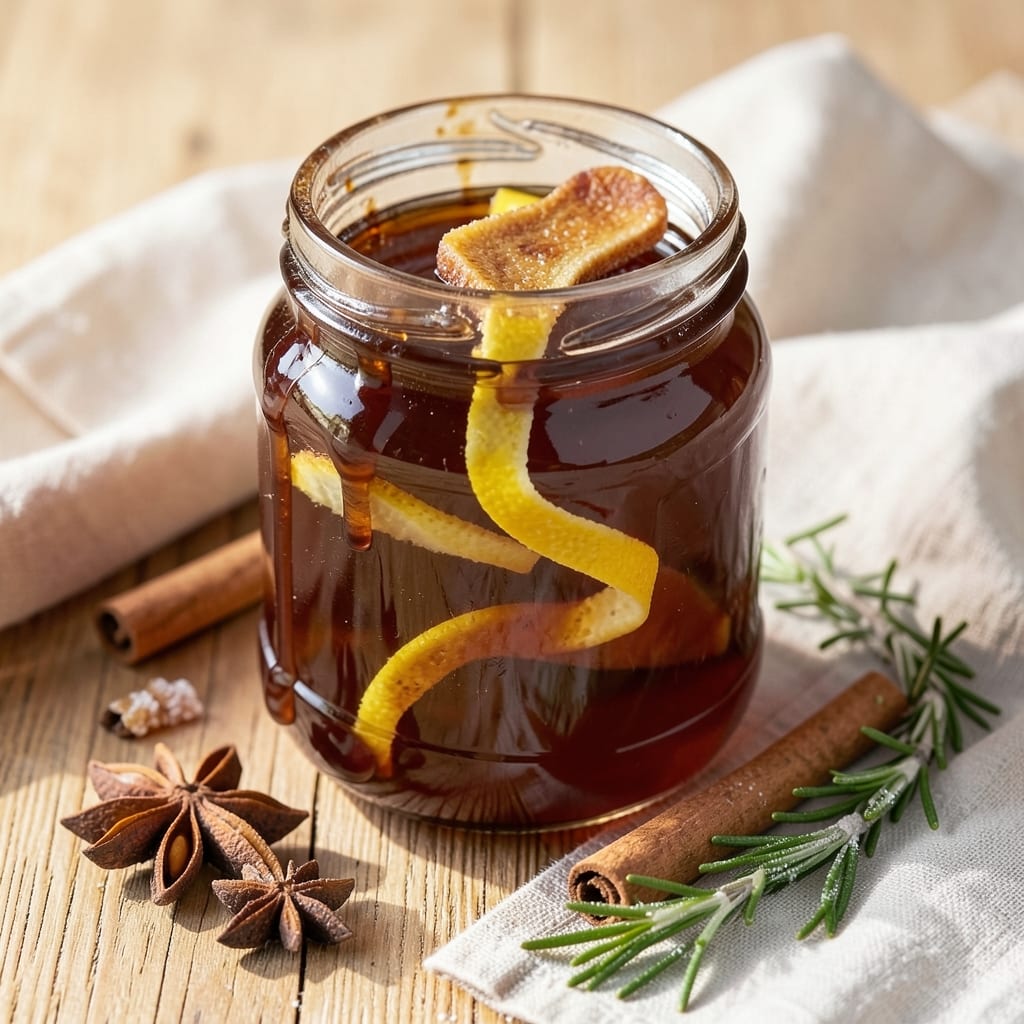
This apple cider jelly recipe with pectin transforms ordinary cider into a glowing amber gel that captures autumn's essence in every spoonful. 🍂 I developed this method after years of perfecting jelly-making at Nana Mae's diner, where we turned seasonal produce into preserves that lasted through winter. The key? Using high-quality pectin to create a set that's firm yet elegant, with that signature apple cider brightness preserved perfectly.
The process is simpler than you'd think—just combine cider, sugar, and pectin, bring to a boil, then let it work its magic while you attend to other tasks. This isn't your grandmother's jelly; it's restaurant-quality with a smooth, glossy finish that makes it perfect for gifting or serving alongside charcuterie boards. The pectin does all the heavy lifting, ensuring consistent results every time without requiring fancy equipment.
What you'll end up with is a batch of jelly that shimmers like sunlight through apple orchards—rich, tangy, and perfectly set with just the right balance of sweetness. The pectin creates that professional-grade texture while maintaining the cider's natural depth. It keeps beautifully in the fridge for weeks, making it ideal for holiday gifting or stocking your pantry for winter comfort.
Perfect for toast, cheese boards, or as a glaze for meats, this jelly elevates any dish with its complex apple-cider flavor. The recipe yields about four 8-ounce jars, so you'll have plenty to share. Let's get started on creating something that tastes like fall in every bite.
Ingredients for apple cider jelly recipe with pectin
Eight simple ingredients transform cider into restaurant-quality jelly with autumn's perfect balance.
| Ingredient | Amount | Notes |
|---|---|---|
| Unfiltered Apple Cider 🍎 | 2 cups | Freshly pressed, no additives |
| Granulated Sugar 🍚 | 4 cups | White or light brown preferred |
| Powdered Pectin 🍬 | ½ oz | High-methoxyl, like Ball RealFruit |
| Lemon Juice 🍋 | 1 tbsp | Freshly squeezed, for acidity |
| Fresh Lemon Peel 🍋 | 1 tsp | Finely grated, for aroma |
| Fresh Ginger 🌿 | ½ tsp | Finely grated, for depth |
| Cinnamon Sticks 🌰 | 2 whole | For subtle spice infusion |
| Water 💧 | 1 cup | For pectin activation |
The cider makes or breaks this—unfiltered, freshly pressed is non-negotiable. Local orchards or farm stands often have the best quality, but a good store-bought brand like Woodchuck works too. Sugar matters less here, but light brown adds subtle caramel notes. The pectin? Ball RealFruit or Pomona's Universal are my go-tos—they create that professional-grade set without overpowering the cider's natural flavor. Ginger and lemon peel are optional but add layers of complexity that make this jelly stand out from basic recipes.
No fresh ginger? Ground ginger at half the amount works, though it lacks that bright zing. Short on lemon? Lime juice at the same quantity gives a different but equally vibrant twist. The cinnamon sticks infuse subtle warmth—remove after boiling so they don't linger in the final jelly. For a quicker version, ground cinnamon at 1/4 tsp cuts prep time. The pectin ratio is precise, but if you're at high altitude, add 1/8 tsp extra for proper set. Trust the package instructions for your specific brand—they're tested for reliability.
This jelly sets beautifully in 8-ounce jars—fill to the neck and process in a water bath for 5 minutes to seal. Once cooled, it keeps for up to 12 months in a cool, dark pantry. I always make an extra batch for gifting—wrap in kraft paper with twine for that farmhouse appeal. The flavor actually improves with age, developing deeper caramel notes over time. For serving, chill slightly before spooning—it's richer and more stable when cold. Perfect for holiday gifts or elevating any breakfast spread.
Why You'll Love This Recipe
- No-Fuss Setup: I swear by this recipe because it’s literally three bowls and a pot. The pectin does all the heavy lifting—just stir, simmer, and jar. No fancy gadgets, no stress.
- Fall in Your Mouth: That unfiltered cider brings deep, spiced warmth, while the lemon peel cuts through the sweetness like a bright autumn breeze. It’s the kind of jelly that makes you pour it on everything—toast, yogurt, even grilled cheese.
- Holiday Hero: Between us, this is my go-to for Thanksgiving charcuterie boards or Christmas gifts. It’s fancy enough to impress but takes less time than folding a fitted sheet.
- Budget Magic: A single batch costs pennies and stretches for weeks. Use the extra to sweeten oatmeal, drizzle over pancakes, or trade with neighbors for holiday swaps. Pectin makes bulk batches foolproof—no wasted jars here.
Step-by-step instructions for apple cider jelly
Here's how to transform fall's finest cider into a jewel-toned jelly that sparkles like autumn sunlight.
🍳 Step 1: Infuse the Cider with Spices and Aroma
In a medium saucepan, combine the 2 cups unfiltered apple cider, 2 whole cinnamon sticks, 1 tsp fresh lemon peel, and 0.5 tsp fresh ginger. Bring to a gentle boil over medium-high heat, then immediately reduce to medium-low and simmer uncovered for 10 minutes. This infusion time is crucial—it allows the spices to steep deeply while the lemon peel releases its bright citrus notes.
Watch the liquid carefully—it should reduce slightly but not bubble vigorously. The cinnamon sticks will impart subtle warmth, while the ginger adds a subtle kick. Strain through a fine-mesh sieve into a clean bowl, pressing gently on the solids to extract every drop of flavor. Discard the solids—you want pure, aromatic cider for your jelly.
🔥 Step 2: Build the Pectin-Activated Base
Return the strained cider to the same saucepan and add the 4 cups granulated sugar, stirring until completely dissolved over medium heat. This step creates a supersaturated sugar solution that's essential for proper gel formation. Once the sugar is fully incorporated, remove from heat and let cool slightly for 2 minutes—this prevents premature pectin activation.
While the mixture cools, whisk together the 0.5 oz powdered pectin and 1 tbsp lemon juice in a small bowl. The acidity from the lemon juice helps activate the pectin, ensuring a firm yet tender gel. Sprinkle this mixture over the warm cider-sugar solution while whisking vigorously for 30 seconds to fully incorporate.
🍲 Step 3: Cook to Peak Gel Temperature
Return the saucepan to medium-high heat and bring to a full rolling boil, stirring constantly with a wooden spoon. This is where precision matters most—boil vigorously for exactly 1 minute, stirring every 10 seconds to prevent scorching. The mixture should thicken noticeably during this time, reaching a soft-ball stage when tested (a drop should wrinkle when touched to a chilled plate).
Here's the thing—don't walk away. The pectin needs that exact 1-minute cook time at full boil to activate properly. If you see any bubbles forming on the sides, gently scrape them down with a silicone spatula to maintain even cooking. Remove from heat immediately after the minute is up—overcooking will make your jelly too firm.
⏰ Step 4: Pour and Set for Perfect Texture
Quickly ladle the hot jelly into 4 (4-ounce) sterilized jelly jars, filling each to within ¼ inch of the rim. Tap the jars gently on the counter to remove any air bubbles trapped in the jelly. Wipe the rims clean with a damp paper towel—this ensures a perfect seal later. Process in a water bath canner for 10 minutes (adjust for altitude if needed), then remove and let cool completely.
The jelly will set as it cools, developing that signature amber glow and glossy sheen. For best results, let the jars sit at room temperature for 24 hours before refrigerating. This slow set creates the ideal balance between firmness and spreadability. Once fully set, store in the refrigerator for up to 3 months—each bite will taste like autumn in a jar.
Pro Tips For Making Apple Cider Jelly Recipe With Pectin
- Boil the Cider Fast: The first 3 minutes after adding pectin are non-negotiable—get that mixture to a full rolling boil immediately. I used to let it simmer, thinking it was gentler, but the pectin needs that rapid heat to activate properly. A lazy boil means a jelly that won’t set, no matter how much sugar you add.
- Strain Twice, Regret Nothing: Unfiltered cider’s full of sediment that’ll make your jelly cloudy or grainy. Strain it through a fine-mesh sieve first, then a coffee filter or cheesecloth for the second pass. Yes, it takes 10 extra minutes, but your jelly will look like it belongs on a fancy table instead of a quick weekend project.
- Measure Sugar Precisely: Eye-balling sugar in jelly is how you end up with either a syrup or a rock-hard slab. Use a kitchen scale for the sugar—pectin ratios are tight, and even 10 grams off can ruin the set. If you’re stuck with cups, spoon the sugar into the measuring cup and level it hard with a knife.
- Lemon Peel First, Juice Last: Zest the lemon peel before juicing it, and add the zest to the cider while it heats. The oils in the peel infuse better this way, giving your jelly that bright, complex aroma. Save the juice for the final stir—adding it too early can make the mixture too acidic and interfere with the pectin’s work.
Perfect pairings for this dish
Cheese Board Magic
This jelly transforms any cheese board into a fall masterpiece. I love pairing it with aged cheddar from Central Market—the sharpness cuts through the jelly's sweetness beautifully. Add walnuts for crunch and honeycomb slices to balance the tartness. For a Southern twist, include pepper jack and sharp white cheddar cubes. The jelly's amber glow makes the board look like a gourmet display from a high-end restaurant. 🍷
Breakfast Elevation
Spread this jelly on toasted brioche with cream cheese for a luxurious breakfast treat. I often add a sprinkle of flaky sea salt and a few toasted pecans for extra texture. For a savory option, try it on English muffins with crumbled bacon and chives. The ginger and cinnamon notes wake up your taste buds perfectly. Trust me, your morning coffee will taste even better with this on the side.
Meat Glaze Perfection
Brush this jelly onto grilled pork chops or roasted chicken thighs during the last 5 minutes of cooking. The natural sugars caramelize beautifully, creating a glossy finish. I also use it as a marinade base for beef tenderloin—simmer the jelly with soy sauce and garlic for 30 minutes before grilling. The result? A restaurant-quality glaze that's easier than you'd think to make at home. 🔥
Holiday Gift Idea
Package this jelly in amber glass jars with a kraft paper tag and twine for the perfect holiday gift. I add a small wooden spoon and a note about how it pairs with cheese or toast. The natural ingredients make it feel artisanal, not store-bought. My friends always comment on how thoughtful the gift is—and how delicious the jelly tastes. It's a great way to share autumn's flavors with loved ones.
Cocktail Enhancer
Add a spoonful of this jelly to your favorite whiskey sour or apple cider cocktail for a unique twist. The natural sweetness and spice notes complement bourbon beautifully. I also mix it into vanilla bean ice cream for a sophisticated dessert. For a non-alcoholic option, stir it into sparkling apple cider with a splash of ginger beer. The flavors are so balanced, you'll want to sip it slowly.
Baking Secret
Use this jelly as a filling for thinly sliced pound cake or scones. Brush it between layers or on top before baking for a moist, flavorful treat. I've even used it in apple crisp bars by mixing it with the oat topping. The jelly adds moisture and that signature apple cider taste without needing extra fruit. Your baking will taste like it came from a Southern kitchen. 🌟
Nutrition facts
Frequently asked questions
Can I use store-bought apple cider instead of freshly pressed?
Yes, but choose an unfiltered, additive-free brand like Woodchuck or Austin's own Texas Orchard cider. The key is avoiding pasteurized or ultra-filtered ciders—they lack the natural pectin and flavor complexity that makes homemade jelly shine. If using store-bought, add 1/4 tsp extra pectin to compensate for lower natural pectin content.
Why did my jelly turn out too runny?
This usually happens from undercooking (less than 1 minute of full boil) or using old pectin. Always use fresh pectin within its expiration date and stir constantly during the 1-minute boil—the pectin needs that exact time to fully activate. For extra insurance, test the set by chilling a spoonful for 2 minutes—it should wrinkle when pushed.
How do I adjust this recipe for high altitude?
For elevations above 3,000 feet, add 1/8 tsp extra pectin and increase the boil time by 30 seconds. The lower atmospheric pressure affects sugar solubility and pectin activation. Test the set carefully—high-altitude jelly often needs that extra boost to firm up properly. If you're at 5,000+ feet, consider using low-sugar pectin instead.
Can I make this jelly without a water bath canner?
For short-term storage (1 month), refrigerate the sealed jars instead. If you want shelf-stable jelly, use the freezer method: freeze filled jars for 24 hours, then store in the freezer for up to 6 months. The texture may change slightly after thawing, but it remains delicious. For true canning, borrow a friend's water bath or use a large stockpot with a rack.
What's the best way to test if my jelly is set?
Use the plate test: spoon a small amount onto a chilled plate and refrigerate for 5 minutes. When you push it gently with your finger, it should wrinkle like jelly—if it slides, it needs more cooking time. Pro tip: Jelly sets better when cooled slowly, so let jars sit at room temperature for 24 hours before refrigerating for that perfect firmness.