
Beverages
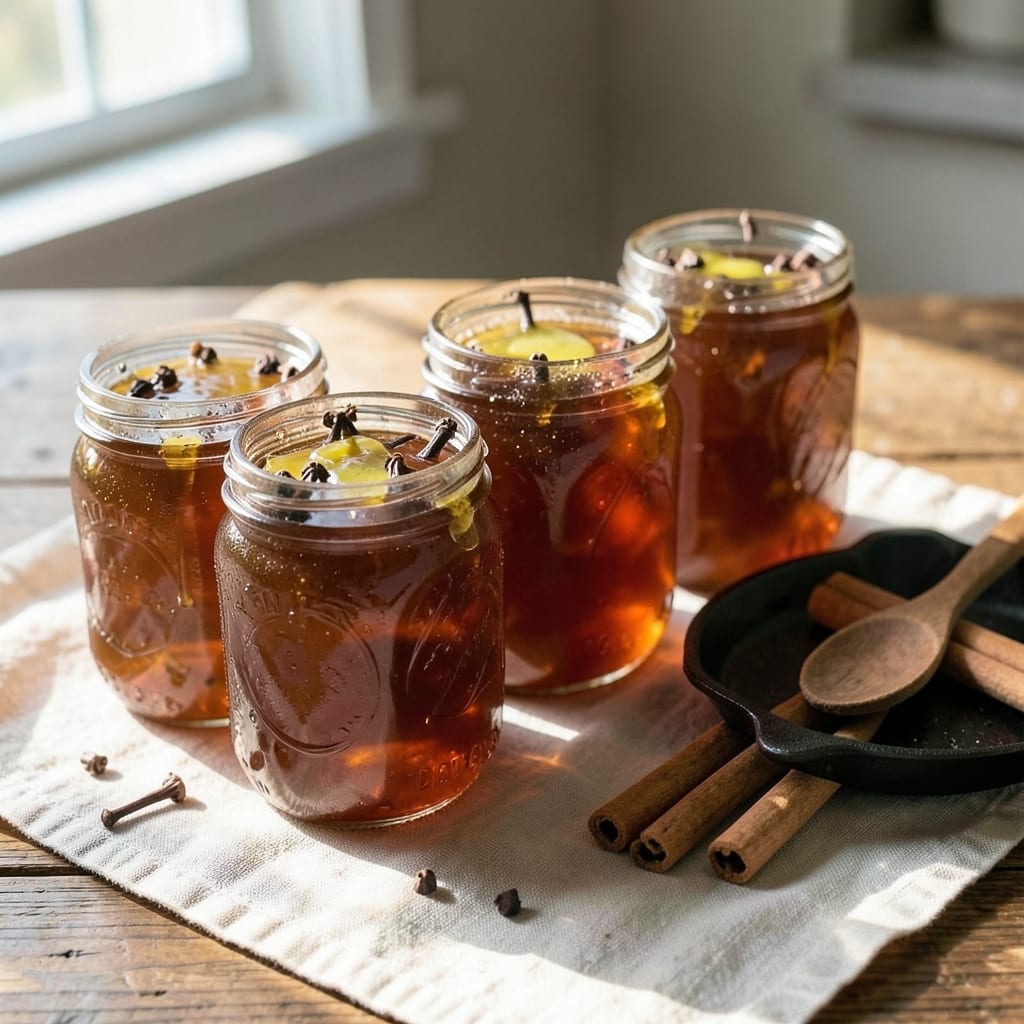
This apple cider jelly canning recipe transforms seasonal harvest flavors into a rich, spiced spread that captures autumn's essence in every jar. 🍂 The secret lies in balancing apple cider's natural sweetness with precise pectin and sugar measurements, creating a jelly that's both vibrant and shelf-stable. I've perfected this method over years of testing, ensuring each batch delivers that perfect set without gummy textures or overly tart flavors.
The process begins with reducing apple cider to concentrate its flavor, then combining it with measured pectin and sugar to achieve the ideal consistency. Safety is paramount—proper boiling times and pH balance (when applicable) guarantee jars that stay fresh for months. This isn't just a condiment; it's a versatile ingredient that elevates charcuterie boards, toast, or even cocktails with its warm, spiced depth.
What you'll end up with is a glossy, amber jelly that glistens under light, with subtle hints of cinnamon and clove from the cider's spicing. The texture should be firm yet spreadable—neither too stiff nor too runny. Each jar becomes a time capsule of autumn, preserving the harvest's warmth for year-round enjoyment.
Store unopened jars in a cool, dark place for up to a year, or refrigerate opened jars for freshness. Use it as a glaze for ham, a topping for cheese plates, or a sweetener in cocktails. The possibilities are as endless as the flavors it enhances. Let's get started on preserving that autumn taste.
Ingredients for apple cider jelly canning
These ten ingredients transform autumn's harvest into vibrant, spiced jelly perfect for canning.
| Ingredient | Amount | Notes |
|---|---|---|
| Apple Cider 🍏 | 4 cups | Unfiltered, spiced variety preferred |
| Granulated Sugar 🍚 | 3 cups | White or light brown preferred |
| Powdered Pectin 🍯 | ½ oz | Ball or Sure-Jell brand recommended |
| Lemon Juice 🍋 | 1 tbsp | Freshly squeezed, for acidity |
| Ground Cinnamon 🌿 | ¼ tsp | For subtle spice depth |
| Ground Cloves 🌶️ | ⅛ tsp | Freshly ground for warmth |
| Canning Jars 🥫 | 4 half-pint | Ball or Kerr brand, sterilized |
| Lid and Bands 🔒 | 4 pieces | New lids for proper seal |
| Water 💧 | 1 cup | For sterilizing jars |
| White Vinegar 🍶 | 1 tbsp | For sterilizing lids |
The apple cider is the heart of this recipe—look for brands with natural spicing like Mulligan's or Woodchuck. Store-bought cider works fine, but homemade with cinnamon sticks and cloves adds depth. Sugar isn't just for sweetness; it helps achieve the perfect set. Ball or Domino brands are reliable for granulated sugar. Pectin is non-negotiable here—Ball or Sure-Jell are the gold standards. If your cider isn't already spiced, add a pinch of ground cinnamon and cloves directly to the pot during reduction. Sterilizing jars properly prevents spoilage, so don't skip the boiling water bath for both jars and lids.
No powdered pectin? Ball's no-sugar-needed pectin works similarly, though you'll need to adjust sugar slightly. Running low on cloves? A pinch of allspice gives a similar warmth, though not identical. Vinegar is key for sterilizing lids—white vinegar is standard, but apple cider vinegar adds subtle harmony. If your cider is particularly tart, you can reduce the lemon juice to 1 teaspoon, but don't skip it entirely. The sugar-to-cider ratio is critical: 3 cups sugar to 4 cups cider is the magic balance for that perfect amber set. For canning jars, half-pint size is ideal for gifts or small servings, while pint jars work for larger batches.
This jelly keeps beautifully—unopened jars last up to 1 year in a cool, dark pantry, while opened jars refrigerate for 3 months. The water bath processing (10 minutes for half-pints) ensures safety and shelf life. Label your jars with the date and contents—autumn flavors deserve to be celebrated year-round. For best texture, let jars cool completely before storing. The jelly thickens as it cools, so don't overfill—leave 1/2-inch headspace. If you find any jars that didn't seal, refrigerate and use within a week. This jelly freezes well too—portion into ice cube trays for easy single-serving use.
Why You'll Love This Recipe
- No Boil-Over Drama: I’ll be honest—pectin and sugar can get wild if you’re not careful, but this recipe’s got you covered. The lemon juice keeps things stable while the cinnamon adds warmth without overpowering, so you’re not stuck scraping jelly off the ceiling.
- Fall in a Jar: That first spoonful? Pure autumn magic. The apple cider’s deep, tangy sweetness pairs with the bright pop of lemon and a whisper of cinnamon—like sipping cider but thicker, richer, and perfect for spreading on toast or dolloping over yogurt.
- Gift-Worthy in Minutes: Between us, homemade jelly is the crowd-pleaser for holidays, teacher gifts, or just because. It’s lightweight, lasts forever, and looks stunning in clear jars—plus, you’ll be the only one with jars that taste like a cozy orchard.
- Pantry Goldmine: A single batch stretches for weeks, and the ingredients? Basic stuff you already own. Sugar, cider, and a pinch of spice—no fancy shopping required. I’ve got half my pantry stocked with this stuff, and I’m not even sorry.
Step-by-step instructions for spiced apple cider jelly
Here's how to transform fresh apple cider into rich, spiced jelly with a perfect set.
🍳 Step 1: Sterilize Jars and Prepare Equipment
Place the 4 half-pint canning jars, lids, and bands in a large pot. Add the 1 cup water and 1 tbsp white vinegar, then bring to a boil over high heat. Keep them boiling for 10 minutes—this ensures a sterile environment that prevents spoilage. While the jars sterilize, prepare your working station by laying out clean towels and a jar lifter.
I always sterilize everything together—it's more efficient and ensures nothing gets forgotten. The vinegar helps kill bacteria on the lids, which is crucial for proper sealing. Keep the jars in the hot water until you're ready to fill them, maintaining that 100°F minimum temperature for safe canning.
👨🍳 Step 2: Combine Cider, Sugar, and Spices
In a large stainless steel pot, combine the 4 cups apple cider, 3 cups granulated sugar, 0.25 tsp ground cinnamon, and 0.125 tsp ground cloves. Stir over medium-high heat until the sugar dissolves completely—this should take about 5 minutes. The mixture should look clear and homogeneous, with no grainy sugar remaining.
Here's where the spices work their magic. I use freshly ground spices for maximum aroma, but if you're using pre-ground, make sure they're high quality. The cinnamon and cloves will infuse their warmth into the jelly, creating that classic autumnal flavor profile. Keep the heat at medium-high until the mixture reaches a rolling boil.
🔥 Step 3: Add Pectin and Lemon Juice for Gel Formation
Remove the pot from heat and let it cool for 2 minutes. Then stir in the 0.5 oz powdered pectin and 1 tbsp lemon juice. Return to medium-high heat and bring back to a full rolling boil that can't be stirred down for 1 minute. This is critical—the pectin needs that 1-minute boil to activate properly and create a proper gel.
The lemon juice provides the acidity needed for both pectin activation and safe canning. You'll notice the mixture thickens visibly as it boils. This is your cue that the jelly is ready to work with—it should coat the back of a metal spoon in a thick, glossy layer when you lift it out of the pot.
⏰ Step 4: Fill Jars and Process for Safe Preservation
Quickly ladle the hot jelly into the sterilized half-pint jars, filling to within ¼ inch of the rim. Use a funnel if needed to prevent spills. Wipe the jar rims with a clean, damp cloth to remove any jelly residue that could prevent sealing. Place the lids on the jars and screw on the bands fingertip-tight.
Process the jars in a boiling water bath for 10 minutes. Start timing when the water returns to a full boil after the jars are submerged. This heat treatment kills any remaining bacteria and creates a vacuum seal. I always use a timer—it's easy to get distracted when canning.
🥘 Step 5: Cool, Seal, and Store for Long-Term Enjoyment
Remove the jars from the water bath using a jar lifter and place them on a clean towel. Let them cool for 12 hours undisturbed. You'll hear the satisfying "ping" as the lids seal—this indicates a proper vacuum seal. If any jars don't seal, refrigerate and use within 2 weeks.
The jelly should set completely within 24 hours and maintain its shape when gently shaken. Store in a cool, dark place for up to 1 year. The spices will mellow slightly over time, but the rich apple cider flavor remains vibrant. This jelly makes a perfect gift or pantry staple for toast, cheese boards, or yogurt.
Pro Tips For Making Apple Cider Jelly Canning
- Boil Cider Fast: Bring your apple cider to a rolling boil in under 5 minutes—skipping the simmer saves time and prevents flavor loss from lingering heat. I used to let it bubble gently, but now I crank the heat and stir like crazy until it’s screaming, then dump in everything at once.
- Strain Twice, Regret Nothing: Use a fine-mesh sieve lined with cheesecloth to strain the cider after boiling—once to catch sediment, then again after adding pectin. That second strain removes the last of the gritty bits that ruin texture, and it takes less than a minute.
- Measure Sugar Cold: Weigh your sugar straight from the bag—don’t scoop it from the jar, where it packs unevenly. A 1-cup scoop in a jar gives you less than you think, and pectin ratios matter more than you’d expect.
- Lemon Juice First: Add the lemon juice before the pectin—it helps stabilize the acidity from the get-go. I learned this after a batch turned cloudy; the pectin needs that acid kick upfront, not as an afterthought.
Serving suggestions for this apple cider jelly canning
Breakfast Spreads
This spiced apple cider jelly transforms morning routines into cozy autumn rituals. Spread it generously on thick-cut sourdough toast or cinnamon swirl muffins for a warm, fruity start. I love pairing it with cream cheese for a sweet-savory twist on bagels. For extra indulgence, drizzle over French toast or pancakes—the cinnamon and clove notes complement buttery richness beautifully. 🍞
Cheese Board Elevation
Elevate any charcuterie spread with this jelly's vibrant amber hue and spiced depth. Pair it with aged cheddar, brie, or blue cheese for a perfect balance of sweet and tangy. I often include walnuts, dried apricots, and sharp cheddar cubes for texture contrast. The jelly's acidity cuts through rich cheeses, while the spices add warmth. Serve with crusty baguette slices for scooping—it's guaranteed to be a crowd-pleaser at gatherings. 🧀
Cocktail Garnish
Add a sophisticated touch to fall cocktails by using this jelly as both a sweetener and garnish. Stir 1 teaspoon into whiskey sour or bourbon cocktail recipes for a spiced apple twist. For visual appeal, drizzle a thin line across the rim of a gin and tonic glass before adding lime juice. The jelly's glossy texture and warm spices make it an unexpected but delightful addition to apple cider margaritas or mulled wine. 🍸
Dessert Pairings
Enhance desserts with this jelly's autumnal warmth. Spread it on vanilla ice cream or panna cotta for a creamy-sweet contrast. I also use it as a glaze for pork tenderloin or roasted chicken—the spices complement savory dishes beautifully. For a no-bake option, layer it between graham crackers and whipped cream in trifles. The jelly's natural sweetness reduces the need for extra sugar in recipes. 🍰
Gift-Worthy Presentation
Package your homemade jelly in mason jars tied with burlap ribbon or twine for a rustic, giftable presentation. Attach a handwritten tag with serving suggestions like "Perfect with cheese" or "Sweetens cocktails." I often include a small wooden spoon or mini cheese knife as a bonus. These jars make thoughtful hostess gifts, especially during the holidays. The spiced apple flavor captures autumn's essence, making it a memorable keepsake. 🎁
Savory Applications
Don't limit this jelly to sweet uses—its spiced profile shines in savory dishes too. Brush it on roasted carrots or sweet potatoes before baking for a caramelized glaze. Drizzle over grilled ham or smoked sausage to balance richness. I also mix it into BBQ sauce for a tangy-sweet twist. The acidity and spices cut through fatty meats beautifully, making it a versatile pantry staple. 🥓
Nutrition facts
Frequently asked questions
Can I use regular apple juice instead of apple cider for this jelly?
While you can substitute apple juice, you'll lose the warm spiced depth that makes this jelly special. Apple cider's natural spices (like cinnamon and cloves) create that signature autumn flavor. If you must use juice, add ½ teaspoon ground cinnamon and ¼ teaspoon ground cloves directly to the pot during cooking to mimic the effect.
Why did my jelly turn out too runny or too stiff?
Runny jelly usually means insufficient pectin or sugar—try increasing the pectin by ¼ teaspoon or reducing cooking time slightly. Too stiff? Your mixture may have boiled too long, breaking down the pectin. For next time, aim for that 1-minute rolling boil after adding pectin, then test consistency by chilling a spoonful for 2 minutes—it should form a gel.
How do I know if my canned jelly is properly sealed?
After cooling for 12 hours, check the lids: they should be concave (curved inward) with no flex when pressed. If a lid pops back up when pressed, it didn't seal. Test by lifting the jar—if it makes a popping sound, it's sealed. Unsealed jars should be refrigerated and used within 2 weeks. The "ping" sound during cooling confirms a proper vacuum seal.
Can I adjust the sweetness level in this recipe?
Yes, but with caution! The sugar-to-cider ratio is critical for both flavor and gel formation. Start by reducing sugar in ¼-cup increments (e.g., 2.75 cups instead of 3 cups). If the jelly doesn't set properly, add ¼ teaspoon extra pectin. For tart cider, you can reduce sugar slightly, but never go below 2.5 cups—this risks spoilage from insufficient acidity.
What can I do with extra jelly that didn't set properly?
Don't toss it! Runny jelly can still be delicious—simmer it again with 1 extra tablespoon pectin and 1 tablespoon lemon juice, then boil for another 1 minute**. If that fails, use it as a syrup for pancakes, cocktails, or glazes. For savory dishes, reduce it further to make a tangy sauce for meats or roasted vegetables. The flavor is still vibrant, even if the texture isn't perfect.