
Beverages
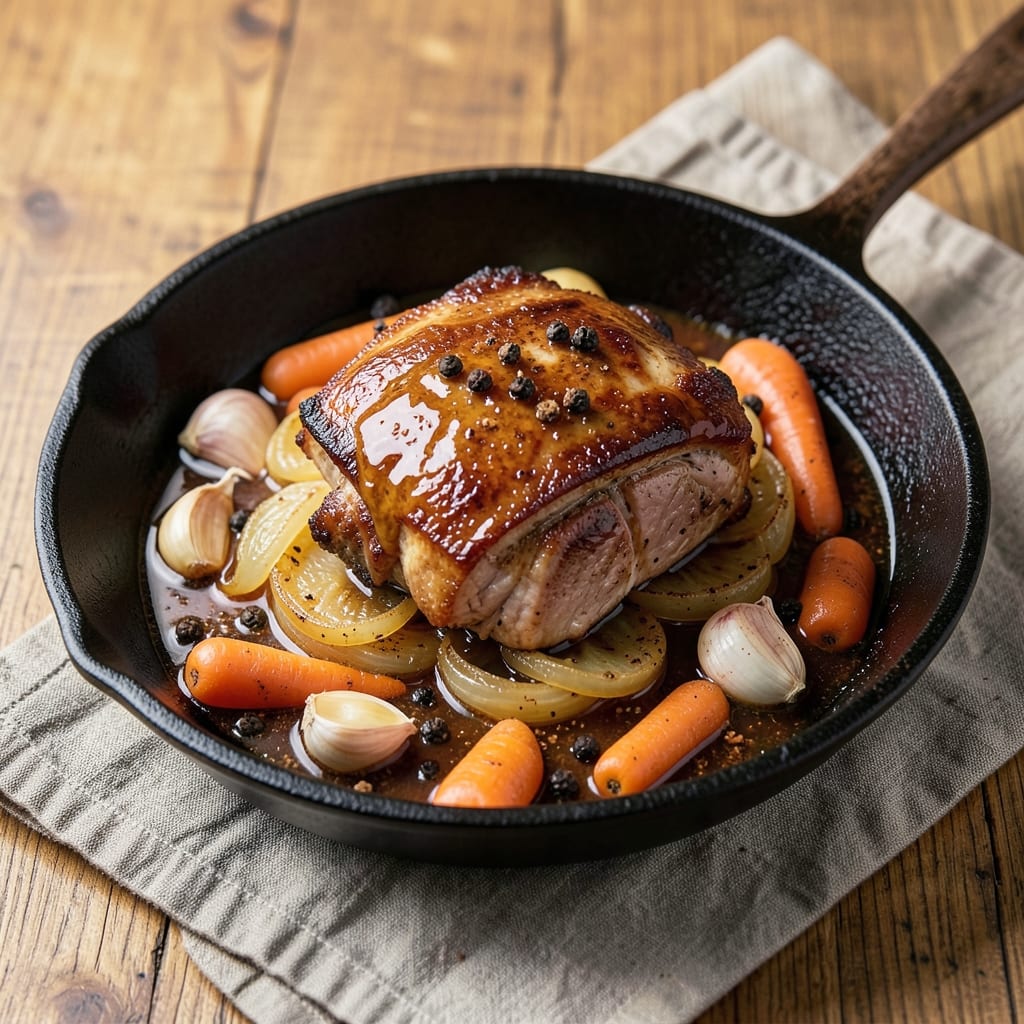
This apple cider cooking recipe transforms simple ingredients into a rich, aromatic dish that captures autumn’s cozy essence. The deep caramel notes and warm spices from simmered cider create a flavor profile that elevates everything from savory braises to decadent desserts. I developed this method after years of experimenting with how cider’s natural sweetness and acidity balance hearty ingredients—like pork shoulder or root vegetables—without overpowering them.
The beauty of this recipe lies in its versatility. Whether you’re slow-cooking a tender pork roast in cider-infused broth or baking a spiced apple cider cake, the technique remains the same: reduce the cider with spices until syrupy, then incorporate it into your dish. This creates a glossy, aromatic finish that’s impossible to resist. The process is straightforward but yields restaurant-quality results at home.
Imagine a caramelized pork shoulder with crispy edges, its juices infused with cinnamon and clove, or a velvety soup where apples and cider meld into a silky broth. The cider’s acidity tenderizes meat while its sweetness caramelizes into a sticky glaze. For vegetarians, the same method works for braised mushrooms or root vegetables, proving this technique adapts to any table.
Perfect for holiday gatherings or a comforting weeknight dinner, this recipe delivers warmth in every bite. The key is patience—letting the cider simmer until it thickens into a fragrant syrup that clings to every ingredient. Let’s get cooking.
Ingredients for apple cider cooking
The heart of this apple cider cooking recipe lies in these aromatic ingredients, designed to transform simple cider into a rich, caramelized spice infusion.
| Ingredient | Amount | Notes |
|---|---|---|
| Unsweetened Apple Cider 🍎 | 4 cups | High-quality, preferably organic |
| Pork Shoulder (Bone-In) 🥓 | 3 lb | Cut into 2-inch chunks |
| Yellow Onions 🧅 | 2 whole | Medium size, sliced into wedges |
| Carrots 🥕 | 4 medium | Whole, peeled, cut into chunks |
| Garlic Cloves 🧄 | 6 cloves | Freshly minced |
| Ground Cinnamon 🌿 | 1 tbsp | Freshly ground preferred |
| Ground Cloves 🌶️ | ½ tsp | Freshly ground for potency |
| Ground Nutmeg 🌿 | ¼ tsp | Freshly grated |
| Salt 🧂 | 1 ½ tsp | Kosher or sea salt |
| Black Peppercorns 🌶️ | ½ tsp | Freshly cracked |
| Extra-Virgin Olive Oil 🫒 | 2 tbsp | For searing pork |
| Fresh Thyme Leaves 🌿 | ¼ cup | Or 1 tbsp dried thyme |
| Fresh Rosemary Sprigs 🌿 | 2 whole | For aroma |
| Fresh Parsley 🌿 | ⅛ cup | Chopped for garnish |
The pork shoulder is non-negotiable for depth of flavor—its fat marbling renders beautifully during slow cooking, creating a sauce that clings to every bite. Look for bone-in cuts at Whole Foods or your local butcher for optimal flavor. The apple cider should be unsweetened to prevent overpowering the natural caramelization process. Mott's or Woodchuck brands are excellent choices, but any high-quality, organic cider will work. Freshly ground spices like cinnamon, cloves, and nutmeg elevate the dish significantly—Penzeys or bulk bins at specialty stores ensure maximum potency.
No fresh thyme? Dried thyme at half the amount works in a pinch, though fresh leaves add a brighter aroma. Substituting pork for chicken thighs (increased cooking time required) or mushrooms (for vegetarian versions) maintains the technique's versatility. The carrots and onions can be swapped for celery and fennel to introduce new dimensions of flavor. For a deeper spice profile, add a pinch of allspice or a dash of orange zest—both complement the cider beautifully. The olive oil should be extra-virgin for searing, but any neutral oil will suffice if unavailable.
Store the cooked pork and cider reduction separately in airtight containers for up to 5 days in the refrigerator. The cider syrup freezes exceptionally well for up to 6 months, making it perfect for batch cooking. Reheat gently on the stove, adding a splash of water if the reduction becomes too thick. For optimal freshness, prepare the dish just before serving—the aromatic spices lose potency when reheated multiple times. Garnish with fresh parsley just before serving to maintain vibrant color and flavor.
Why You'll Love This Recipe
- One-Pot Magic: The pork shoulder practically cooks itself while you sip that same apple cider you’re braising in. Minimal chopping, one pot, and zero cleanup—just slice onions and carrots roughly (no fancy dice needed) and let the slow simmer do the work.
- Sweet-Savory Balance: That first sip of cider-infused pork? It’s like autumn in a bite—tender meat with a caramelized edge, carrots melting into the sauce, and garlic cloves turning golden and fragrant. The acidity cuts through the richness, making every forkful ridiculously good.
- Leftovers That Beg for More: Between us, this recipe tastes even better the next day. The flavors deepen, the meat gets fall-apart tender, and suddenly you’ve got a weeknight-friendly casserole for lunches or a crowd-pleasing dish for game day. (Yes, even on a Tuesday night.)
- Budget-Friendly Crowd Feeder: A bone-in pork shoulder stretches across meals, and cider’s cheaper than wine—plus, you’re using the whole onion and garlic bulb. Feed six for less than takeout, and honestly? Nobody will guess it’s this easy to impress.
Step-by-step instructions for apple cider braised pork shoulder
Transform simple ingredients into a rich, aromatic dish where apple cider and warm spices create deep flavor in every bite.
Sear the Pork Shoulder for Maximum Flavor
Heat a large Dutch oven over medium-high heat until a drop of water sizzles instantly. Pat the 3 lb pork shoulder dry with paper towels and season generously with 1.5 tsp salt, 0.5 tsp cracked black peppercorns, and 1 tbsp ground cinnamon. Press the seasoning firmly into the meat to ensure it adheres.
Working in batches to avoid crowding, add 2 tbsp extra-virgin olive oil to the Dutch oven and sear the pork shoulder on all sides until deeply browned with crispy edges, about 8-10 minutes per side. The goal is to develop a rich Maillard crust that will dissolve into the braising liquid. Transfer the seared pork to a plate and set aside.
Build the Spiced Vegetable Base
In the same Dutch oven, add the 2 whole yellow onions sliced into wedges, 4 medium carrots cut into chunks, and 6 cloves minced garlic. Cook over medium heat for 5-7 minutes until the onions soften and the carrots begin to caramelize at the edges. This step forms the aromatic foundation of the dish.
Stir in 0.5 tsp ground cloves and 0.25 tsp freshly grated nutmeg, cooking for another 30 seconds until fragrant. The spices should mingle with the caramelized vegetables, creating a complex flavor profile that will infuse the pork and cider. Remove the vegetables from the pot and set aside with the pork.
Deglaze and Simmer the Apple Cider
Return the Dutch oven to medium heat and carefully pour in the 4 cups unsweetened apple cider, scraping up all the browned bits from the bottom with a wooden spoon. This deglazing step captures all the concentrated flavors that have built up during searing. Add the 2 whole fresh rosemary sprigs and 0.25 cup fresh thyme leaves to the liquid.
Bring the cider mixture to a gentle simmer, then reduce heat to low. Return the pork shoulder and vegetables to the pot, ensuring the pork is mostly submerged in the liquid. Cover tightly with a lid and transfer to a 325°F oven. Braise for 3 hours until the pork is fork-tender and easily pulls apart.
Finish with Crispy Edges and Fresh Herbs
Remove the pork shoulder from the Dutch oven and transfer it to a cutting board. Tent loosely with foil and let rest for 15 minutes. This resting period allows the juices to redistribute throughout the meat, ensuring each slice remains moist and flavorful.
Return the braising liquid to medium heat and simmer uncovered for 5-7 minutes to reduce slightly and intensify the flavors. Discard the rosemary sprigs and thyme leaves. Slice the pork shoulder against the grain into ½-inch thick pieces and arrange on a serving platter. Spoon the reduced cider sauce over the top and garnish with 0.125 cup chopped fresh parsley for a pop of freshness and color.
Pro Tips For Making Apple Cider Cooking
- Sear the Shoulder First: I learned this the hard way—rushing straight to the cider without a proper sear means bland, gray meat. Pat the pork shoulder dry, then hit it with a hot pan for 3-4 minutes per side until deep brown. The crust locks in flavor and keeps the meat from turning mushy in the slow cook.
- Use Thick Cider Slices: Thin apple cider pours out like water and evaporates fast. Instead, pour it in ½-cup increments, letting each layer reduce by half before adding more. This builds depth of flavor without turning your pot into a puddle—trust me, your future self will notice the difference.
- Don’t Crowd the Pot: I used to pack onions and carrots in like sardines, thinking more veggies meant better flavor. Wrong. Tightly packed veggies steam instead of caramelize, leaving them limp. Space them out—even if it looks sparse—and they’ll turn golden and sweet instead of sad and soggy.
- Check Internal Temp Twice: Pork shoulder’s "done" temp is 203°F, but the probe can lie if it’s resting in a cold spot. Pull it out when it hits 195°F, tent with foil, and let it rest 15 minutes. The temp will climb another 10°F—no guesswork, just science (and no dry meat).
Troubleshooting your apple cider cooking
Cider Too Thin?
If your cider reduction isn’t thickening enough during the braising process, try this trick: After the pork is seared and vegetables caramelized, remove the Dutch oven from heat and stir in 1 tbsp cornstarch mixed with 2 tbsp cold water. Return to heat and simmer for 3-5 minutes—this creates a natural thickener without altering the flavor. Alternatively, simmer the cider uncovered for 10-15 extra minutes to evaporate excess liquid. 🔥
Pork Not Tender Enough
The most common issue is undercooking. Use a meat thermometer to check internal temperature—pork shoulder should reach 203°F for perfect tenderness. If it’s not done after 3 hours, extend the cooking time by 30-minute increments until it pulls apart easily. For extra insurance, add ½ cup beef broth to the braising liquid to keep it moist during longer cooking.
Spices Overpowering?
If the spices dominate instead of complementing, reduce the amounts by half—start with ½ tsp cinnamon, ¼ tsp cloves, and ⅛ tsp nutmeg test the balance. Freshly ground spices are more potent, so adjust accordingly. For a milder profile, add ½ cup apple juice to the braising liquid to dilute the intensity while keeping the sweetness. 🌶️
Vegetables Mushy
To prevent vegetables from turning to mush, add them to the pot only after the pork has been seared and the cider is simmering. For firmer texture, blanch the carrots and onions in boiling water for 2 minutes before adding them to the Dutch oven. Alternatively, add them in stages—start with onions and carrots, then add garlic and herbs later in the cooking process.
Sauce Too Acidic
If the cider’s acidity overpowers the dish, balance it by adding 1 tbsp honey or 1 tbsp brown sugar to the braising liquid during the final 10 minutes of cooking. This sweetens the sauce without altering the overall flavor profile. For a richer sauce, stir in 1 tbsp unsalted butter at the end—it coats the back of your throat beautifully. ✨
Equipment Shortcuts
No Dutch oven? Use a heavy-bottomed pot with a tight-fitting lid. For even cooking without an oven, transfer the pot to the stovetop over low heat and cover with a lid. If you don’t have a meat thermometer, the pork is done when it easily shreds with two forks. For a quicker sear, use a cast-iron skillet—just monitor the heat closely to avoid burning.
Nutrition facts
Frequently asked questions
Can I substitute apple cider for apple juice in this recipe?
The flavor and texture will be completely different! Apple cider has a deeper, more complex profile with natural sweetness and subtle tartness that caramelizes beautifully. Apple juice lacks the same depth and won't develop the rich, spiced reduction that makes this dish special. For a similar effect, use a high-quality, unsweetened apple juice—but expect a milder result.
How do I make this recipe vegetarian?
Swap the pork shoulder for mushrooms (like cremini or portobello) or chickpeas for protein. Use the same braising technique with vegetables like butternut squash or sweet potatoes. The cider reduction works perfectly with these alternatives, creating a hearty, flavorful dish that still captures the warm spice notes.
Can I use this cider reduction in other dishes?
This fragrant reduction is incredibly versatile. Use it as a glaze for roasted chicken, drizzle it over mashed potatoes, or stir it into risotto for a sweet-spiced twist. It also makes an excellent marinade for tofu or grilled vegetables. Just store it in an airtight container in the fridge for up to 5 days or freeze for 6 months.
What if I don't have fresh herbs?
No problem! Use dried thyme and rosemary at half the amount (e.g., 1 tsp dried thyme instead of 0.25 cup fresh). For rosemary, use 1 tsp dried and crush it lightly to release the aroma. If you're missing either, focus on the spices—cinnamon, cloves, and nutmeg are the stars of this dish and will still deliver incredible flavor.
How can I make this dish ahead of time?
Prep is your friend here! Braise the pork and vegetables up to 2 days ahead, then refrigerate. Reheat gently in the oven or on the stovetop with a splash of water or broth. For the cider reduction, make it separately and store it in the fridge—it reheats beautifully and can be used in other dishes. The pork stays juicier if reheated slowly, so avoid high heat.