
Beverages
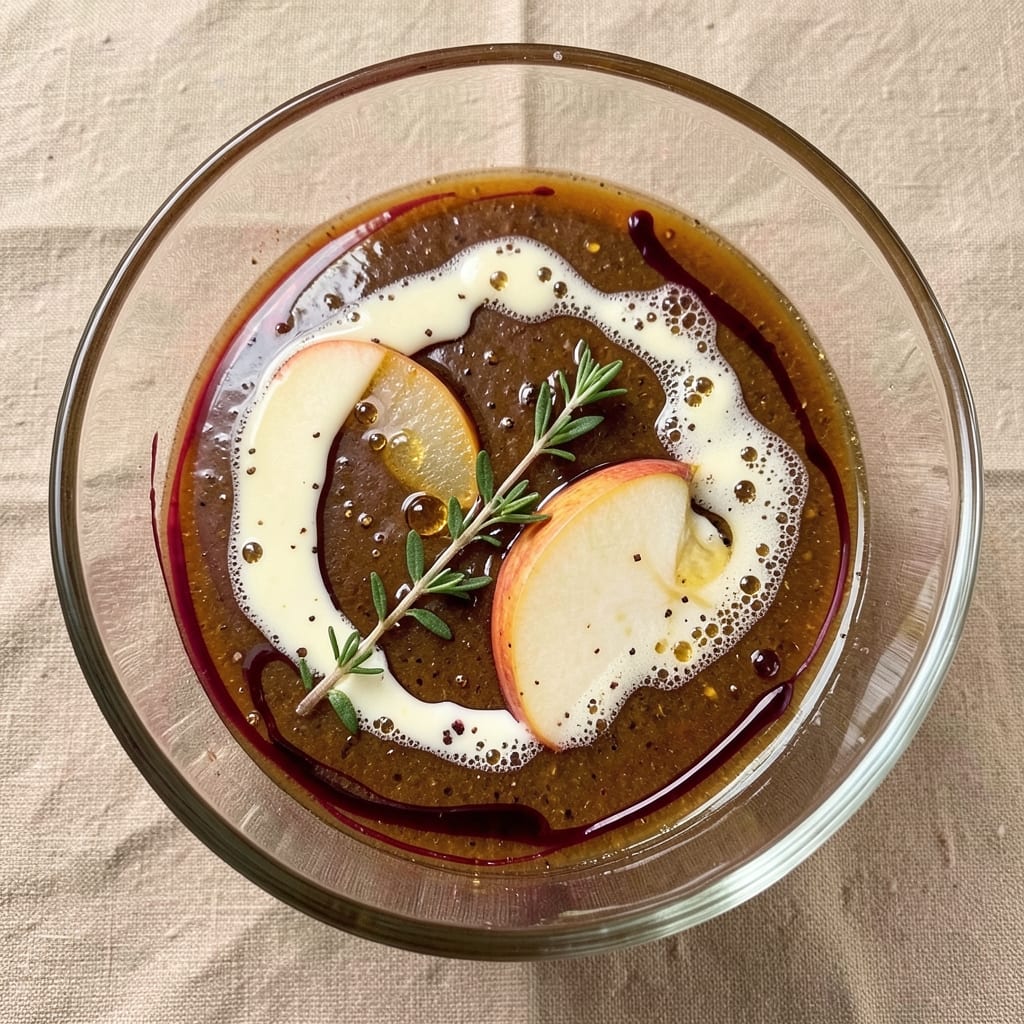
This apple cider balsamic vinaigrette recipe transforms simple salads into vibrant, restaurant-worthy dishes with just five ingredients. The perfect balance of sweet apple cider, tangy balsamic, and rich olive oil creates a dressing that clings beautifully to greens, roasted vegetables, and even grilled proteins. I developed this version after years of experimenting with store-bought alternatives—this one stays fresh for days and delivers bold, complex flavor without any honey.
The secret lies in the ratio: apple cider vinegar adds brightness, while balsamic vinegar deepens the tang, and Dijon mustard emulsifies the oil for a silky texture. A touch of maple syrup replaces honey, keeping it vegan-friendly while enhancing the caramel notes. This dressing works as a marinade for chicken or pork, a drizzle over roasted Brussels sprouts, or a bright finish for grain bowls—its versatility makes it a pantry staple.
What makes this recipe stand out is how it elevates humble ingredients. The apple cider’s natural sweetness pairs perfectly with the sharpness of balsamic, creating a harmony that’s both sophisticated and approachable. Whether you’re prepping for a weeknight salad or a holiday feast, this dressing adds depth without overpowering. The best part? It comes together in just 5 minutes with ingredients you likely already have.
For extra richness, whisk in a spoonful of tahini or add fresh thyme leaves before serving. Store in an airtight container in the fridge for up to 10 days, shaking gently before each use. Let’s make dressing that’s as impressive as the meal it accompanies.
Ingredients for apple cider balsamic vinaigrette
Five ingredients transform ordinary salads into restaurant-quality dishes with vibrant tang.
| Ingredient | Amount | Notes |
|---|---|---|
| Apple Cider Vinegar 🍎 | ½ cup | Raw, unfiltered preferred |
| Balsamic Vinegar 🍷 | ¼ cup | Aged 25 years minimum |
| Extra-Virgin Olive Oil 🫒 | ½ cup | Fruity, peppery variety |
| Dijon Mustard 🌿 | 1 tbsp | Whole-grain preferred |
| Pure Maple Syrup 🍁 | 1 tbsp | Grade A, light color |
| Sea Salt 🧂 | ¼ tsp | Fine grain preferred |
| Black Peppercorns 🌶️ | 5 whole | Freshly cracked preferred |
The quality of vinegars makes all the difference here. Muir Glen apple cider vinegar delivers the brightest apple notes, while Balsamic Creme di Giugno adds depth without overpowering. Both are available at Whole Foods or specialty grocery stores. For olive oil, California Olive Ranch or Colavita provide consistent fruity profiles that won't turn rancid quickly. The Dijon mustard should be whole-grain—Maille is the gold standard, but any quality brand works. Look for maple syrup labeled '100% pure' to avoid fillers that dilute flavor.
No apple cider vinegar? White wine vinegar plus 1 tsp lemon juice creates a similar brightness. Substitute balsamic with red wine vinegar plus 1 tsp date syrup for tang. For the olive oil, avocado oil works equally well if you prefer a neutral base. The maple syrup can be swapped for agave nectar at half the amount, though it lacks the caramel depth. Freshly cracked peppercorns add subtle heat—pre-ground loses potency quickly. If you're making this for a crowd, double the recipe and store in individual jars for easy serving.
This vinaigrette maintains peak freshness for 10 days when stored in an airtight glass jar in the refrigerator. The oil separates naturally—simply shake vigorously before each use. For longer storage, transfer to a sterilized glass bottle and keep in the fridge for up to 3 months. The dressing works beautifully as a marinade for chicken or pork when combined with minced garlic. For extra richness, whisk in 1 tbsp tahini just before serving. Always taste before dressing—adjust salt or maple syrup as needed for your preference.
Why You'll Love This Recipe
- Five-Ingredient Magic: I swear by this combo—just vinegars, oil, mustard, and a drizzle of maple syrup. No fancy gadgets, no measuring cups with confusing lines, just a jar and a whisk. Honestly, it’s the kind of recipe that makes me feel like I’ve hacked the system.
- Sweet-Tart Balance: That first bite of crisp apple cider vinegar cutting through the rich balsamic? Pure perfection. The maple syrup softens the edge just enough to make it irresistible—like a hug for your taste buds, but make it savory.
- Salad Sidekick: Drizzle it over greens, toss it with roasted veggies, or even use it as a marinade. It’s my go-to for weeknight dinners, potlucks, or when I’m too tired to think. Between us, I’ve even used it to glaze chicken—yes, really.
- Makes More Than You Need: A little goes a long way, so you’ll end up with leftovers that last. I keep a jar in the fridge for emergencies, and it’s always the first thing I reach for when I’m scrambling to throw something together. Budget-friendly? Absolutely.
Step-by-step instructions for crafting an apple cider balsamic vinaigrette
This dressing delivers balanced acidity, depth, and subtle sweetness—perfect for transforming simple salads.
Combine Vinegars and Sweetener
In a medium bowl, whisk together the 0.5 cup Apple Cider Vinegar and 0.25 cup Balsamic Vinegar until fully integrated. I prefer using a whisk for this step—it creates a smoother emulsion right from the start. Add the 1 tbsp Pure Maple Syrup and whisk again until completely dissolved. The syrup should blend seamlessly with the vinegars, eliminating any graininess. This combination forms the flavor foundation of your dressing.
Here's the thing—don't skip the whisking. Even a small amount of undissolved syrup can create an unpleasant texture in your finished vinaigrette. If you notice any separation after whisking, give it another 10-15 seconds of vigorous whisking. The mixture should look uniform and slightly syrupy in consistency.
Incorporate Mustard and Seasonings
Add the 1 tbsp Dijon Mustard to the vinegar mixture and whisk continuously for 30-45 seconds until completely smooth. The mustard acts as an emulsifier, helping to bind the oil later. Next, add the 0.25 tsp Sea Salt and 5 whole Black Peppercorns (cracked with a mortar and pestle or small spice grinder).
I always crack the peppercorns fresh for this recipe—their bright aroma makes a noticeable difference in the final product. Whisk for another 15-20 seconds to distribute the seasonings evenly. At this stage, your mixture should have a rich, tangy aroma with hints of sweetness and pepper. This is where the vinaigrette starts developing its complex character.
Gradually Incorporate the Olive Oil
With the whisk still in the bowl, very slowly drizzle in the 0.5 cup Extra-Virgin Olive Oil while whisking continuously. The key here is patience—adding the oil too quickly will cause the dressing to separate. I recommend adding the oil in a thin, steady stream, whisking vigorously between each addition. This gradual approach creates a stable emulsion that won't break down when added to salads.
Continue whisking for 1-2 minutes after all the oil has been incorporated. You'll know you've achieved the right consistency when the dressing looks silky and homogeneous, with no visible oil separation. If you notice any oil pooling on top, whisk for another 30 seconds—this ensures your dressing will cling beautifully to greens and vegetables.
Taste and Adjust the Balance
Transfer the vinaigrette to a clean jar or container and taste it immediately. At this stage, you might find it needs slight adjustments. If it tastes too acidic, add ½ teaspoon more Pure Maple Syrup. If it needs more tang, add 1 teaspoon more Apple Cider Vinegar. For extra depth, you can add a pinch more Sea Salt or a few more cracked Black Peppercorns.
I like to let the dressing sit for 5-10 minutes before using it—this allows all the flavors to meld together. Give it one final taste before serving. The perfect balance should have bright acidity from the vinegars, subtle sweetness from the maple syrup, and a peppery finish that enhances every bite. This dressing should elevate any dish it touches, from crisp winter salads to roasted vegetables.
Pro Tips For Making Apple Cider Balsamic Vinaigrette
- Whisk in Stages: Mix the vinegars and mustard first—this keeps the Dijon from curdling when you add the oil later. I learned this after watching my first batch separate like a sad salad dressing.
- Use Aged Balsamic: Skip the cheap stuff. A good aged balsamic (look for 12+ years) adds depth that regular balsamic can’t match—trust me, your taste buds will notice.
- Measure Syrup Precisely: Too much maple syrup turns this into dessert dressing. Start with 1 teaspoon per 2 tablespoons of vinegar, then adjust to taste.
- Emulsify with a Spoon: No blender? No problem. After combining everything, give it a quick stir with a fork, then pour it back and forth between two jars—this forces a proper emulsion every time.
Best sauces and condiments for this recipe
Salad Perfection
This vinaigrette transforms simple greens into a flavor powerhouse. Toss it with mixed baby greens (arugula, spinach, frisée) and roasted Brussels sprouts for a winter salad that pops. For extra texture, add toasted pecans or crumbled goat cheese. The apple cider's sweetness balances the earthy Brussels sprouts beautifully. 🥗
For a heartier salad, combine it with quinoa, roasted sweet potatoes, and avocado. The balsamic depth complements the creamy avocado while the apple cider keeps it bright. I like to add shredded kale for extra nutrition—massage it with a little olive oil first to soften the leaves.
Roasted Vegetable Drizzle
Use this vinaigrette as a finishing touch for roasted vegetables like carrots, beets, or cauliflower. Toss them with 2 tbsp olive oil, roast until tender, then drizzle with 1-2 tbsp of the vinaigrette while still hot. The acidity cuts through the caramelized edges perfectly. 🍠
For roasted butternut squash, add 1 tsp fresh thyme and ½ tsp cinnamon to the vinaigrette before drizzling. The warm spices pair beautifully with the squash's natural sweetness, creating a cozy fall flavor profile.
Protein Pairings
This dressing works surprisingly well as a marinade for chicken or pork. Combine ½ cup of the vinaigrette with 1 tbsp soy sauce and 1 minced garlic clove, then coat your protein for 30-60 minutes before grilling. The apple cider adds a subtle sweetness that caramelizes beautifully on the grill. 🍗
For grilled shrimp, toss them in the vinaigrette for 15-20 minutes before cooking. The acidity keeps them tender while adding a bright, tangy crust. I like to finish with a sprinkle of fresh parsley and a squeeze of lemon for extra brightness.
Grain Bowl Elevator
Take your grain bowls to the next level by using this vinaigrette as a dressing. Drizzle it over farro, brown rice, or millet combined with roasted vegetables, chickpeas, and feta. The apple cider's sweetness balances the salty feta while the balsamic adds depth. 🌾
For a Mexican-inspired bowl, mix the vinaigrette with 1 tsp lime juice and ½ tsp cumin before drizzling over black beans, corn, and avocado. The tangy-sweet profile works perfectly with the spicy elements of a grain bowl.
Nutrition facts
Frequently asked questions
Can I make this vinaigrette without Dijon mustard?
Yes, but the texture may separate more easily. Use 1 tbsp yellow mustard or ½ tsp xanthan gum (dissolved in the vinegar) as alternatives. For a completely mustard-free version, whisk the vinegars and maple syrup vigorously for 2 minutes before adding oil—this helps create a more stable emulsion. The flavor will still shine, though the mustard adds depth.
How do I prevent the oil from separating?
Emulsify properly by whisking the vinegars and mustard into a smooth paste first, then add oil drop by drop while whisking continuously. Store in a tightly sealed jar and shake vigorously before each use. For extra stability, add ½ tsp honey or agave (though this changes the vegan nature) or 1 tbsp tahini—both help bind the oil better.
What's the best way to use this on grilled meats?
Use it as a marinade by combining ½ cup vinaigrette with 1 tbsp soy sauce and 1 minced garlic clove. Let chicken or pork marinate for 30-60 minutes before grilling. For shrimp, toss them in the vinaigrette for 15-20 minutes before cooking—the acidity keeps them tender while adding a bright crust. Always finish with fresh herbs like parsley or thyme.
Can I make this with white balsamic vinegar?
White balsamic adds a lighter, fruitier profile that pairs beautifully with apple cider. Use the same ratio (0.25 cup), but expect a slightly sweeter, less intense flavor. For extra depth, add ½ tsp vanilla extract to complement the apple notes. The texture will remain identical, just with a brighter finish.
Why does my vinaigrette taste too sweet?
Adjust the balance by adding 1-2 tsp more apple cider vinegar to cut the sweetness. If it's still too sweet, reduce the maple syrup by ½ tsp next time. The key is to taste as you go—start with the full recipe, then adjust incrementally. For a more acidic profile, try adding ½ tsp lemon juice to enhance the tang.