
Desserts
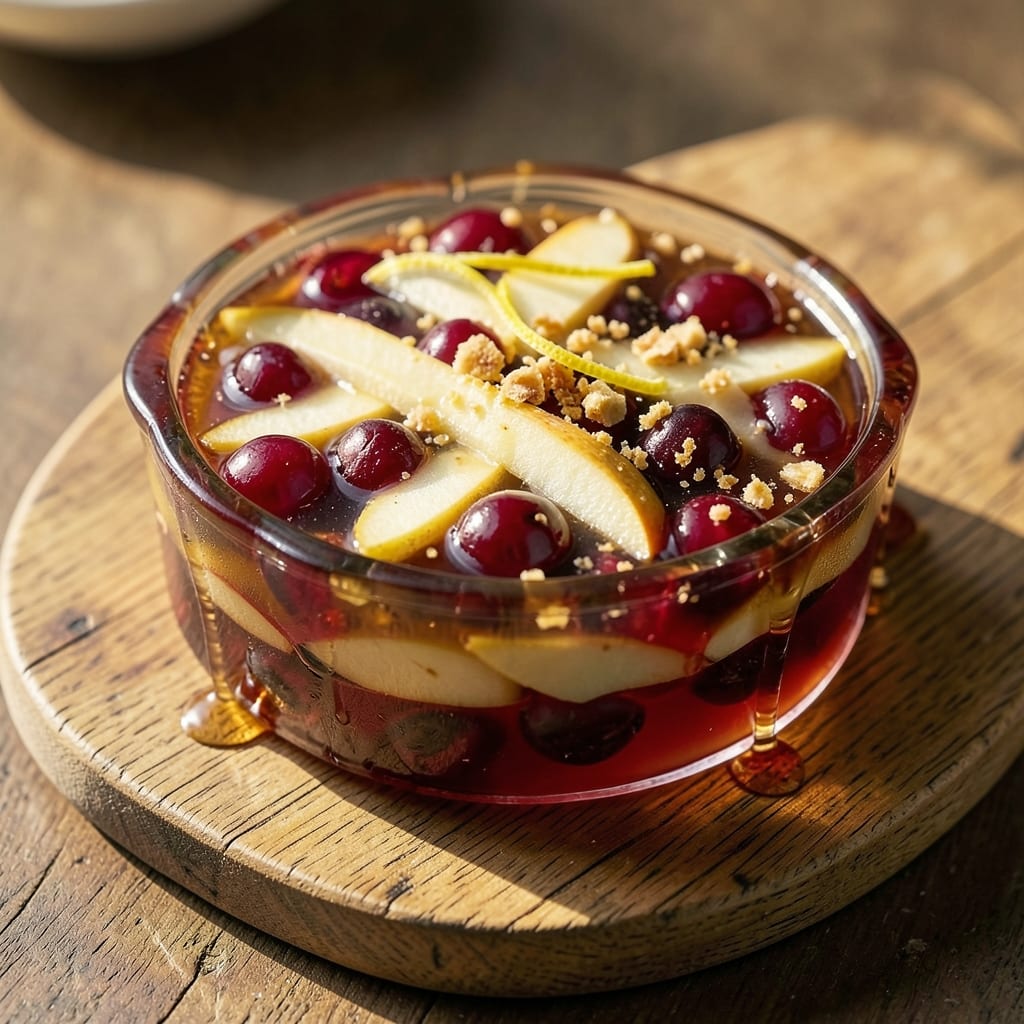
This apple cherry jelly recipe transforms seasonal fruit into a vibrant, naturally sweet preserve without relying on store-bought pectin. 🍎 The secret lies in balancing tart cherries and crisp apples with just the right amount of sugar, creating a thick, glossy jelly that's perfect for toast, yogurt, or cheese boards. I developed this method after struggling with runny preserves that never set properly—until I discovered the magic of fruit's natural pectin content when cooked slowly.
The beauty of this recipe is its simplicity: no special equipment beyond a heavy-bottomed pot and clean jars. The combination of tart Montmorency cherries and sweet apples creates a flavor profile that's more complex than single-fruit jellies, with a subtle balance of sweetness and acidity. We'll use a two-stage cooking process to extract maximum pectin from the fruit while controlling the sugar content for a naturally set preserve.
What you'll end up with is a rich, ruby-red jelly with a perfect spreadable consistency—neither too stiff nor too runny. The aroma alone will make your kitchen smell like a summer orchard, and the flavor pairs beautifully with vanilla ice cream, sharp cheddar, or buttery croissants. This jelly keeps for months in the pantry, making it ideal for gifting or meal prep.
For best results, use a mix of firm apples (like Granny Smith) and sour cherries (fresh or frozen work equally well). The recipe yields about four 8-ounce jars, and the process takes just under 90 minutes from start to finish. Let's create something that tastes like autumn in every bite.
Ingredients for apple cherry jelly
Eight ingredients transform tart cherries and crisp apples into vibrant, naturally set preserves.
| Ingredient | Amount | Notes |
|---|---|---|
| Fresh Montmorency Cherries 🍒 | 1 ½ lb | Pitted, stems removed |
| Firm Apples (Granny Smith) 🍎 | 1 ½ lb | Cored, peeled, sliced thin |
| Granulated Sugar 🍚 | 2 cups | White or raw cane preferred |
| Lemon Juice 🍋 | ¼ cup | Freshly squeezed, seeds removed |
| Water 💧 | 2 cups | Filtered or distilled preferred |
| Apple Cider Vinegar 🍶 | 1 tbsp | For acidity balance |
| Low-Sodium Apple Juice 🍏 | ½ cup | For color and flavor depth |
| Ground Cinnamon 🌿 | ½ tsp | Optional, for warmth |
The cherries are the heart of this jelly—Montmorency cherries pack the most tartness and natural pectin. Local farmers markets or Trader Joe's often carry frozen pitted cherries, which save time and work beautifully. For apples, Granny Smiths are ideal—their tartness balances the sweetness, but Honeycrisp or Fuji add a lovely depth if you prefer milder flavor. Look for firm, unblemished fruit; bruised spots release bitter juices that can cloud your jelly. If using fresh cherries, pitting them quickly is key—a cherry pitter or small knife works best, but don't rush; seeds left behind can make the jelly bitter.
No Montmorency cherries? Sour black cherries or tart red plums work in a pinch, though the color will be deeper. Running short on Granny Smiths? Bosc apples add a honeyed note, but reduce sugar by 0.25 cup to balance their natural sweetness. The lemon juice is non-negotiable—it stabilizes the pectin and brightens the flavor. Freshly squeezed is best, but bottled works if it's 100% real lemon juice (no added water). For a deeper ruby hue, add 1 tsp of beet powder or 1 oz of red onion skins during cooking. And if you're feeling fancy, swap the apple juice for a splash of pomegranate juice** for extra richness.
This jelly sets beautifully in sterilized 8-ounce jars—Ball or Kerr brands are my go-to. Once cooled, they keep for up to 12 months in a cool, dark pantry. For gifting, wrap the jars in kraft paper and tie with twine for a rustic touch. If your jelly doesn't set after 24 hours, it's not ruined—simply simmer it again with 1 extra tbsp of sugar and 1 tsp of vinegar, then test for doneness. The magic of this recipe? It tastes even better the next day as the flavors meld. Store any leftovers in the fridge for up to 2 weeks, though they'll likely disappear faster than that.
Why You'll Love This Recipe
- No Pitting, No Stress: The cherries are pitted for me—no tiny stones to fish out later. Just chop the apples, toss everything in one pot, and let the tart-sweet magic happen while you sip coffee.
- Tart-Sweet Magic: That first bite? The Granny Smith’s crisp bite cuts through the jammy cherries, brightened by lemon juice—like biting into autumn in a jar. Honestly, it’s the kind of flavor that makes you want to eat it straight from the spoon.
- Breakfast to Dessert: Spread it on toast for a fancy brunch, dollop it on yogurt for a snack, or serve it with cheese on a charcuterie board. It’s my go-to for when I want something simple but impressive without trying too hard.
- Jars Full of Value: A big batch costs pennies but lasts months—perfect for gifting or stashing for lazy days. Between us, I’ve been known to freeze extras for smoothie boosts when I’m in a rush.
Step-by-step instructions for apple cherry jelly
Transform tart cherries and crisp apples into luscious, naturally set jelly with this foolproof method.
🍳 Step 1: Cook the Fruit Mixture to Soft Perfection
In a large, heavy-bottomed pot, combine the 1.5 lb fresh Montmorency cherries and 1.5 lb firm Granny Smith apples (already cored, peeled, and sliced thin). Add the 2 cups water and bring to a boil over medium-high heat. Once boiling, reduce heat to medium-low and simmer uncovered for 30-35 minutes, stirring occasionally.
You're aiming for the fruit to break down completely—when done, it should form a thick, jam-like consistency where you can barely see any whole fruit pieces. The cherries will deepen in color to a rich ruby red, and the apples will dissolve into the mixture, releasing their natural pectin. Here's the thing—don't rush this step. The longer the fruit cooks, the more pectin it releases, which means a firmer set without needing added pectin.
🍳 Step 2: Strain and Sweeten the Fruit Puree
Line a fine-mesh strainer with cheesecloth or a jelly bag over a large bowl. Carefully pour the cooked fruit mixture through the strainer, pressing gently with a wooden spoon to extract every bit of juice. Discard the solids—this is where the magic happens in the liquid.
Return the strained juice to the pot and add the 2 cups granulated sugar, 0.25 cup lemon juice, 1 tbsp apple cider vinegar, and 0.5 cup low-sodium apple juice. Stir over medium heat until the sugar completely dissolves—this should take about 5-7 minutes. If you're using the 0.5 tsp ground cinnamon, sprinkle it in now and stir gently. The mixture will bubble gently, and you'll notice it's thickening slightly as the sugar begins to work its magic.
⏰ Step 3: Test for Gel Point and Adjust
Bring the mixture to a full rolling boil, then boil hard for 10 minutes, stirring frequently to prevent scorching. After boiling, perform the gel test: Spoon a small amount onto a chilled plate and refrigerate for 2 minutes. If it wrinkles when you push it with your finger, it's set. If not, boil for another 2-3 minutes and test again.
Real talk: The first test might not be perfect, and that's okay. This jelly is forgiving—if it's slightly under-set, it'll still thicken as it cools. Once you've achieved the right consistency, remove the pot from heat immediately. Skipping this step can lead to a runny jelly, so don't walk away during those final minutes of boiling.
🥘 Step 4: Jar and Process for Shelf Stability
Ladle the hot jelly into sterilized 4-ounce jelly jars, filling them to within ¼ inch of the rim. Wipe the rims clean with a damp cloth to ensure a perfect seal. Place the lids on the jars and process in a water bath canner for 10 minutes—this step is critical for shelf stability and safety.
After processing, remove the jars and let them cool on a towel-lined counter for 12 hours before checking the seals. The jelly will continue to thicken as it cools, so don't be surprised if it looks slightly softer right after processing. Once sealed, store in a cool, dark place for up to 12 months. This jelly is incredible on toast, with cheese, or even as a glaze for roasted meats—its bright, fruity flavor shines in every application.
Pro Tips For Making Apple Cherry Jelly
- STIR CONSTANTLY AT FIRST: I learned this the hard way—skipping the first 5 minutes of stirring turns your pot into a sugar volcano. Keep the heat medium-high and stir like you’re trying to win a race with the sugar crystals until it fully dissolves, or you’ll end up with grainy jelly that looks like it’s from a sad canning factory.
- PIT CHERRIES BEFORE COOKING: Montmorency cherries are stubborn little devils if you skip this. Use a cherry pitter or a paring knife to remove the pits—yes, even if they’re small, those pits add bitterness and can make your jelly taste like you forgot to strain. Don’t trust the "just smash them" method; it’s a shortcut to regret.
- WEIGH YOUR FRUIT, DON’T GUESS: That "handful of apples" you eyeballed? Probably too much. Weigh your chopped Granny Smiths and cherries (about 2 cups total) to avoid watery jelly. Too much fruit = thin, sad spread; too little = cloyingly sweet. A kitchen scale takes 10 seconds and saves you from second-guessing.
- USE A THERMOMETER FOR TESTING: Boiling point isn’t enough—your jelly needs to hit 220°F (104°C) to set properly. Without a candy thermometer, you’re gambling. I used to pull the pot off heat when it looked "done," only to get jelly that never quite gelled. Invest in a cheap thermometer; it’s the difference between jam and glue.
Troubleshooting great apple cherry jelly
Fruit Didn't Break Down
If your fruit isn't softening properly after 30-35 minutes of simmering, you're likely using underripe apples or frozen cherries that need extra time. For frozen fruit, add 5-10 extra minutes of cooking. I've found that Granny Smith apples need slightly more time than sweeter varieties—keep stirring occasionally to prevent sticking. If it's still too chunky, blend the strained mixture briefly with an immersion blender to create a smoother texture. 💡
Jelly Too Runny
A runny jelly usually means insufficient pectin or sugar. First, check your sugar measurement—it should be 2 cups total. If it's still too thin, boil the jelly for another 5 minutes while stirring constantly. For a quick fix, mix 1 tbsp cornstarch with 1 tbsp cold water, stir into the jelly, and boil for 2 more minutes. This trick works wonders without altering flavor. 🔥
Jelly Too Thick
Overcooked jelly or too much sugar creates a stiff, glue-like consistency. Thin it by adding 2 tbsp warm water per jar and reheating gently until smooth. If using Ball or Kerr jars, leave ¼ inch headspace—overfilling causes spillage during processing. For future batches, reduce sugar by ¼ cup if your fruit is particularly sweet. 💫
Cloudy or Off-Colored Jelly
Cloudiness often comes from overcooked fruit releasing tannins. To prevent this, strain the fruit through a fine-mesh sieve lined with cheesecloth for a crystal-clear result. For deeper color, add 1 oz red onion skins during cooking. If the jelly tastes bitter, it's likely from bruised fruit—next time, select perfectly ripe, unblemished ingredients. 🌟
Jars Didn't Seal
Improper sealing usually means air bubbles or dirty jar rims. Before processing, ensure jars are sterilized and rims are wiped clean with a damp vinegar cloth. After processing, check seals within 12 hours—if they're not sealed, refrigerate and use within 2 weeks. For a stronger seal, process jars for an extra 2 minutes. 💪
Mold or Fermentation
If you notice mold or an off smell, the jelly wasn't processed long enough or stored improperly. Always process jars for the full 10 minutes in a boiling water bath. Store sealed jars in a cool, dark place—direct sunlight accelerates spoilage. Unopened jars last 12 months; once opened, refrigerate and use within 3 months. 🚨
Nutrition facts
Frequently asked questions
Can I substitute frozen cherries for fresh in this recipe?
Yes! Frozen cherries work perfectly—just thaw them first and drain any excess liquid. For best results, add 5-10 extra minutes of simmering time since frozen fruit needs longer to soften. The flavor will be just as vibrant, and you'll save time on pitting.
Why does my jelly turn out cloudy?
Cloudiness usually means the fruit released tannins or wasn't strained properly. Use a fine-mesh sieve lined with cheesecloth for crystal-clear jelly. For deeper color, add 1 oz of red onion skins during cooking—they'll infuse a beautiful ruby hue without altering flavor.
How do I know when the jelly is done?
The gel test is foolproof: Spoon a small amount onto a chilled plate and refrigerate for 2 minutes. If it wrinkles when you push it with your finger, it's set! If not, boil for 2-3 more minutes and test again. The first test might be tricky—this jelly thickens as it cools.
Can I make this jelly without added sugar?
You can reduce sugar by ¼ cup, but the jelly may not set as firmly. For a naturally sweet version, use 1:1 cup honey or maple syrup instead of granulated sugar—just remember these sweeteners contain moisture, so you may need to boil slightly longer to achieve the right consistency.
What are the best ways to use apple cherry jelly?
This versatile jelly shines on toasted sourdough, vanilla ice cream, or sharp cheddar. Try it as a glaze for roasted pork or as a filling for thumbprint cookies. The bright, fruity flavor also pairs beautifully with goat cheese or buttery croissants—don't be afraid to get creative!