
Desserts
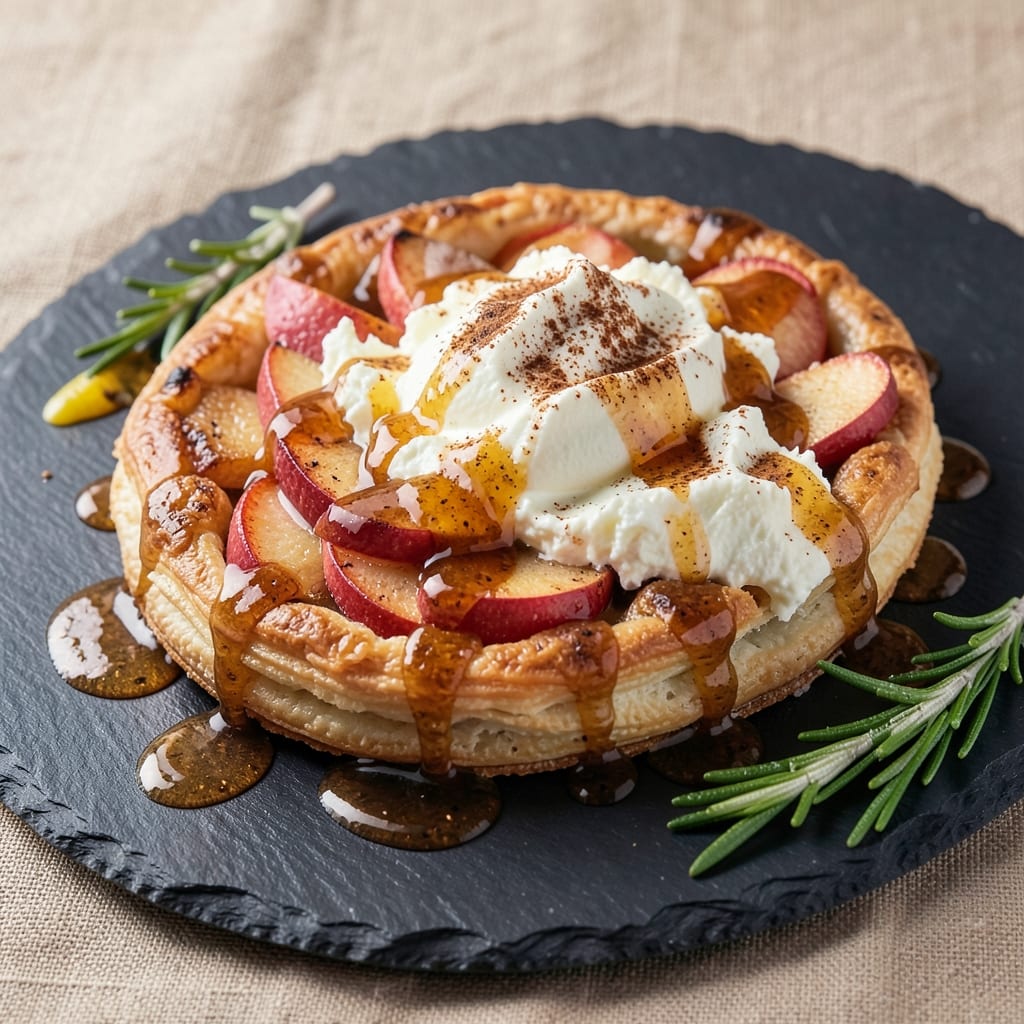
This apple brandy glaze recipe transforms ordinary roasts and desserts into something extraordinary with its rich caramel depth and subtle boozy warmth. 💛 The secret lies in simmering apple cider with brandy until it reduces to a glossy, aromatic syrup that clings beautifully to meats or drizzles over pastries. I developed this after years of testing glaze variations, and this one consistently delivers that perfect balance between sweetness and depth.
The process is straightforward yet transformative: combine apple cider, brandy, sugar, and butter in a saucepan, then simmer until thickened to a glaze-like consistency. This recipe works equally well as a finishing touch for pork roasts or drizzled over apple tarts and cheesecakes. The brandy adds complexity without overpowering, while the caramelized sugar creates that signature glossy sheen.
What makes this glaze truly special is its versatility—it elevates holiday centerpieces, Thanksgiving turkey, or even simple roasted vegetables. The aroma alone will have guests asking for the recipe, and the taste delivers on that promise with every bite. Once you try it, you'll never settle for store-bought versions again.
Store any leftovers in an airtight container in the refrigerator for up to two weeks, or freeze for longer storage. The glaze thickens as it cools, so simply reheat with a splash of water or apple cider to restore its perfect consistency. This is the kind of sauce that turns good meals into memorable ones.
Ingredients for apple brandy glaze
Eight ingredients create this luxurious glaze that transforms ordinary dishes into showstopping centerpieces.
| Ingredient | Amount | Notes |
|---|---|---|
| Apple Cider 🍎 | 2 cups | Unfiltered preferred for depth |
| Brandy 🍷 | ½ cup | High-quality, 80-proof minimum |
| Granulated Sugar 🍚 | ½ cup | Light brown sugar for caramel notes |
| Unsalted Butter 🧈 | 4 tbsp | Cold, cubed for smooth melting |
| Fresh Lemon Juice 🍋 | 1 tbsp | Brightens the depth of flavor |
| Ground Cinnamon 🌿 | ½ tsp | Freshly ground for warmth |
| Ground Cloves 🌶️ | ¼ tsp | Whole cloves toasted and ground |
| Diamond Crystal Kosher Salt 🧂 | ¼ tsp | Adjusts to taste after simmering |
The brandy is non-negotiable here—look for a quality 80-proof or higher from a reputable brand like Korbel or Christian Brothers. Apple cider should be unfiltered for that rich, complex flavor (avoid the pasteurized stuff). For the sugar, light brown sugar adds subtle caramel undertones that granulated sugar can't match. I always use Whole Foods for my spices—their ground cinnamon and cloves stay fresh longer. Fresh lemon juice is a must; bottled won't cut it—squeeze your own for that bright acidity that balances the richness.
No brandy on hand? Apple juice with 1 tbsp bourbon works in a pinch, though it won't have the same depth. Substituting vanilla extract for the spices? Add 1 tsp vanilla bean paste alongside the cinnamon, but it won't replicate that warm spice complexity. For a vegetarian version, ensure your butter is dairy-free if needed (though traditional butter works beautifully). The glaze thickens as it cools, so if it seems too thin while warm, simmer an extra 2-3 minutes—it'll come together perfectly. For a sweeter application (like desserts), reduce the brandy to 1/4 cup and add 1 tbsp honey after simmering.
This glaze keeps beautifully in the fridge for up to 2 weeks when stored in an airtight container with a thin layer of olive oil on top to preserve freshness. For longer storage, freeze in ice cube trays—thaw and reheat with a splash of apple cider or water. The glaze thickens as it cools, so always reheat gently over low heat with a splash of liquid. I like to portion mine into small jars for easy grab-and-go finishing touches. If you make a double batch, trust me—you'll use it all before you know it.
Why You'll Love This Recipe
- Five-Ingredient Magic: I swear, this glaze comes together with just a saucepan and 10 minutes of stirring. No fancy tools, no stress—just simmer apple cider and brandy until it thickens into something rich and glossy. The butter and sugar melt right in, and the lemon juice cuts through the sweetness like a bright little surprise.
- Warm Spice Hug: That first sip of brandy on the stove? Instant nostalgia. The glaze ends up with this deep, caramelized apple flavor—like a boozy apple butter with a sophisticated twist. Drizzle it over pork chops or toasted nuts, and you’ve got a taste that feels fancy but still cozy.
- Holiday or Weeknight: Between us, this glaze is my secret weapon for Thanksgiving leftovers and lazy Sunday breakfasts. Toss it with roasted chicken, spoon it over pancakes, or even stir it into oatmeal. It’s the kind of thing that makes you look like a hero without trying.
- Stores Like Gold: A little goes a long way, and it keeps in the fridge for weeks—meaning I can make a big batch once and use it all month. Plus, brandy and apple cider are cheaper than you’d think, so you’re basically getting gourmet flavor on a budget. (Yes, even on a Tuesday night.)
Step-by-step instructions for apple brandy glaze
This rich, aromatic glaze balances sweetness with boozy depth—perfect for roasts or desserts.
🍳 Step 1: Simmer the Apple Cider Base
Combine the 2 cups apple cider, 0.5 cup granulated sugar, 0.5 tsp ground cinnamon, 0.25 tsp ground cloves, and 0.25 tsp Diamond Crystal kosher salt in a heavy-bottomed saucepan. Place over medium-high heat and bring to a boil, stirring occasionally to dissolve the sugar completely.
Once boiling, reduce heat to medium-low and let the mixture simmer uncovered for 10-12 minutes until it reduces by about one-third and thickens slightly. You'll notice the aroma intensify—this is when the spices release their full warmth. The glaze should coat the back of a spoon but still flow freely; if it thickens too quickly, add 1-2 tablespoons water to maintain balance.
🔥 Step 2: Infuse with Brandy and Butter
Carefully remove the pan from heat and stir in the 0.5 cup brandy—do this over a flame if possible to avoid alcohol ignition. The mixture will bubble vigorously as the alcohol burns off, so keep the pan away from direct heat sources. Let it simmer gently for 2-3 minutes until the alcohol aroma dissipates completely.
Return the pan to medium-low heat and add the 4 tbsp cold cubed unsalted butter, stirring constantly until fully melted and incorporated. The butter will create a silky, velvety texture that balances the acidity. Here's the thing—don't rush this step. The butter needs to emulsify completely, which takes about 3-4 minutes of steady stirring. If the glaze looks too thick, whisk in 1-2 tablespoons apple cider to loosen it.
🍋 Step 3: Brighten with Lemon and Finish
Add the 1 tbsp fresh lemon juice and stir well. The lemon cuts through the richness and adds a bright, fresh contrast that prevents the glaze from tasting flat. Return the heat to low and let the glaze simmer for an additional 5 minutes, stirring occasionally. This final reduction ensures the flavors meld perfectly while concentrating the sweetness.
Taste and adjust seasoning—you may need a pinch more salt or cinnamon to balance the flavors. The glaze should be thick enough to coat the back of a spoon but still pourable. For roasts, you'll want it slightly thinner so it can glaze evenly; for desserts, a thicker consistency works better. Let it cool slightly before using—this allows the flavors to settle and the texture to set properly.
⏰ Step 4: Strain and Store for Optimal Use
Once cooled to room temperature, strain the glaze through a fine-mesh sieve into a clean bowl or jar to remove any clove bits or butter solids. This ensures a smooth, professional finish. The glaze will thicken further as it cools, so don't strain it while hot—wait until it's just warm to the touch.
For immediate use, brush the glaze onto warm roasts during the last 10-15 minutes of cooking or drizzle over desserts just before serving. For storage, transfer to an airtight container and refrigerate for up to 2 weeks. To reheat, warm gently in a saucepan over low heat, stirring occasionally, until smooth and pourable. The brandy will add a subtle warmth when reheated, making it perfect for last-minute glazing.
Pro Tips For Making Apple Brandy Glaze
- Simmer Slow and Low: Start over medium-high heat to get the sugar dissolved, but once the mixture thickens, drop it to a bare simmer. I used to rush this and end up with a glaze that’s either grainy or burns—this recipe needs patience. Let it bubble gently for at least 10 minutes, stirring occasionally, so the brandy’s alcohol fully cooks off and the flavors meld.
- Strain the Cider First: Skip the sediment by straining your apple cider through a fine-mesh sieve before using it. I learned this the hard way—unfiltered cider turns your glaze cloudy and gritty. If you’re lazy (like me), at least let it sit for 10 minutes and skim the floating bits—it makes a real difference.
- Butter in Small Batches: Add the unsalted butter one tablespoon at a time, letting it fully melt and emulsify into the glaze before adding more. Dumping it all in at once gives you a lumpy, greasy mess. If you’re in a hurry, cut the butter into tiny cubes first—it melts faster and blends smoother.
- Balance the Acid Early: Taste the glaze before adding the lemon juice, then adjust gradually. Too much acid can overpower the brandy’s warmth, and you can’t fix it later. I was skeptical until I tried it—start with half the juice, let it cool slightly, and add more only if needed. Your future self will thank you.
Perfect pairings for this dish
Roast Perfection
This glaze is a game-changer for holiday roasts like pork shoulder or ham. Brush it on during the last 10-15 minutes of cooking when the meat reaches 160°F internal temperature. The brandy caramelizes beautifully, creating a glossy finish that locks in juices. I love using it on bone-in pork chops—the glaze clings to every crispy edge while keeping the meat tender. For extra drama, sprinkle with toasted pecans before serving. 🔥
Dessert Drizzle
Transform apple tarts, cheesecakes, or panna cotta with a final drizzle of this glaze. Warm it slightly to loosen the consistency, then drizzle over warm desserts for a warm-spiced contrast. Pair it with mascarpone cheese for a creamy balance or cinnamon sugar toasted almonds for crunch. I once used it on chocolate lava cakes—the brandy's warmth cut through the richness perfectly.
Vegetable Gloss
Roasted carrots, sweet potatoes, and brussels sprouts become showstoppers with this glaze. Toss them with olive oil, salt, and pepper, then roast at 400°F until tender. Finish with the glaze in the last 5 minutes of cooking for a sticky, aromatic coating. The brandy's depth elevates even the simplest veggie sides. Try it on butternut squash—the cinnamon and cloves complement the natural sweetness beautifully. ✨
Cheese Board Magic
Elevate your holiday cheese boards by drizzling this glaze over aged cheddar, brie, or goat cheese. The brandy's warmth pairs perfectly with sharp cheeses, while the sweetness balances creamy varieties. Serve with crackers, nuts, and dried fruit for a sophisticated spread. I always include a small bowl of the glaze for guests to dip—it's a conversation starter every time. 💫
Breakfast Twist
Yes, you can use this glaze for breakfast! Drizzle it over French toast or pancakes for a boozy, spiced twist. The brandy adds depth to the syrup, while the cinnamon and cloves make it feel like a special occasion. I like topping it with whipped cream and toasted walnuts for extra texture. For a brunch crowd-pleaser, serve it alongside biscuits and gravy—the glaze adds a gourmet touch to a classic dish.
Nutrition facts
Frequently asked questions
Can I make this glaze without brandy?
Yes, but the flavor will be different. Substitute with 1/4 cup apple juice + 1 tbsp bourbon or 1 tsp vanilla extract + 1/2 tsp almond extract for depth. The brandy adds a unique warmth that's hard to replicate—it's what creates that signature caramelized aroma when heated. For desserts, the substitution works better than for meats.
How do I adjust the sweetness for different dishes?
For savory roasts, reduce sugar to 1/4 cup and add 1/2 tsp extra cinnamon to balance. For desserts, increase sugar to 3/4 cup and add 1 tbsp honey after simmering. Always taste as it cools—the flavors intensify when chilled. The glaze should complement, not overpower, your dish.
Why did my glaze turn grainy?
This usually happens from two things: either the sugar didn't fully dissolve during the initial simmer or the glaze cooled too quickly. To fix it, whisk in 1 tbsp warm water or apple cider while reheating gently. For prevention, always stir constantly while simmering and let it cool gradually. Graininess disappears when reheated properly.
Can I use this glaze on frozen meat?
Not directly—always thaw your meat first. Brush the glaze on during the last 15 minutes of cooking when the meat reaches 145°F (for pork). The glaze needs to caramelize properly, which requires the meat to be at room temperature. For frozen meats, plan ahead: thaw overnight in the fridge and let sit at room temp for 30 minutes before cooking.
How much glaze should I make for a holiday ham?
For a 10-12 lb ham, make a double batch (double all ingredients). You'll need about 1.5 cups total—enough to brush generously and create pools of glaze underneath. Store any leftovers in the fridge for up to 2 weeks or freeze in ice cube trays for single-use portions. The glaze thickens as it cools, so reheat with 1 tbsp apple cider per 1/2 cup glaze.