
Desserts
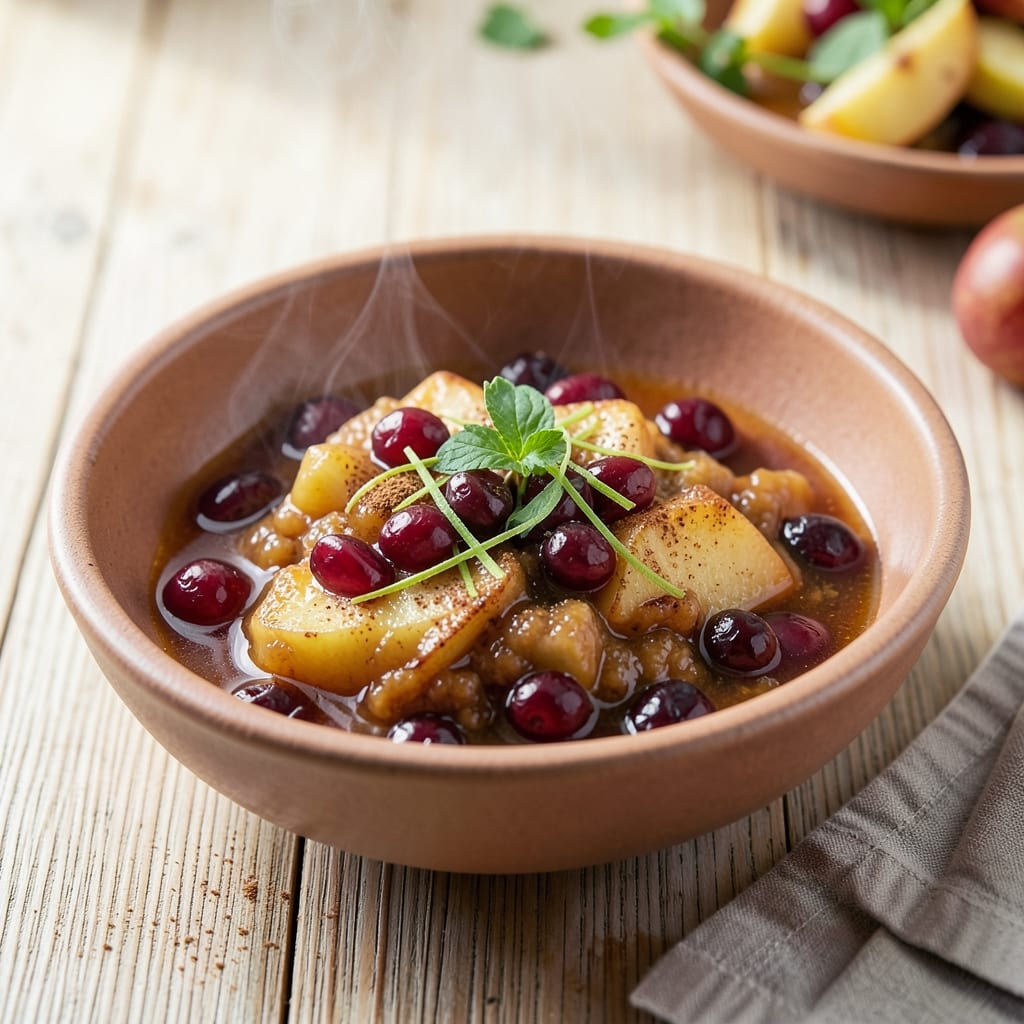
This apple and red currant chutney delivers a tart-sweet balance that elevates cheese boards, sandwiches, and charcuterie displays with every bite. The combination of crisp apples, tangy red currants, and warm spices creates a vibrant, versatile condiment that bridges sweet and savory flavors beautifully. I developed this recipe after years of perfecting chutneys for holiday gatherings, and it never fails to impress.
The secret lies in simmering the fruit with vinegar and sugar until the mixture thickens into a glossy, jam-like consistency. A pinch of cinnamon and cloves adds depth, while a splash of lemon juice brightens the flavors. The result is a chutney that's rich enough to stand alone but balanced enough to complement rich cheeses, cured meats, or even roasted chicken.
What you'll end up with is a versatile spread that stays fresh for weeks in the refrigerator, making it perfect for meal prep or gifting. The chutney's vibrant color and complex flavor profile make it a showstopper on any table, while its natural sweetness and acidity create a perfect harmony with savory foods.
Use it as a dip for crackers, a topping for grilled meats, or a spread for cheese boards. The possibilities are endless, and this chutney will quickly become a staple in your kitchen. Let's get started on making this crowd-pleasing condiment!
Ingredients for apple and red currant chutney
Nine simple ingredients transform into a vibrant chutney perfect for cheese boards and beyond.
| Ingredient | Amount | Notes |
|---|---|---|
| Red Delicious Apples 🍎 | 2 lbs | Peeled, cored, chopped small |
| Red Currants 🍇 | 1 ½ cups | Fresh or frozen, thawed |
| White Vinegar 💧 | 1 cup | Distilled preferred |
| Granulated Sugar 🍚 | 1 ½ cups | Light brown sugar works too |
| Fresh Lemon Juice 🍋 | ¼ cup | From 2-3 lemons |
| Ground Cinnamon 🌿 | 1 tsp | Freshly ground preferred |
| Ground Cloves 🌶️ | ¼ tsp | Whole cloves work too |
| Salt 🧂 | ½ tsp | Kosher or sea salt |
| Extra-Virgin Olive Oil 🫒 | 2 tbsp | For glossy finish |
The apples and red currants are the stars here. Granny Smiths add tanginess, but Honeycrisp or Fuji work too—they just need more sugar to balance. Red currants can be tricky to find fresh, so frozen works perfectly (thaw first). For the best quality, hit up a local orchard in season or grab organic from Trader Joe's. If you're using fresh currants, a fine-mesh strainer makes removing stems easy—no one wants to bite into one. The sugar amount is flexible; if your fruit is extra tart, add a splash more while tasting.
No red currants? Substitute with cranberries or gooseberries—they bring a similar tart punch. Running low on vinegar? Apple cider vinegar works just as well. The spices are non-negotiable though—cinnamon and cloves give that warm, cozy depth. If you're feeling adventurous, add a pinch of cardamom for an exotic twist. For a smoother texture, blend the finished chutney briefly (but don't overdo it—some texture is good!). And if you're making this ahead, reduce the lemon juice slightly—it intensifies over time.
This chutney keeps beautifully—3-4 weeks in the fridge once opened. For gifting, use clean glass jars with airtight lids and a pretty ribbon. The flavor actually improves after the first week as everything melds. Portion into small jars for easy grab-and-go snacks. Freeze extras for up to 6 months if you're really stocking up. Just remember, the longer it sits, the more concentrated the flavors get—so start tasting early if you're impatient!
Why You'll Love This Recipe
- No Chopping Drama: I swear by Red Delicious apples here—tough enough to hold shape but sweet enough to caramelize fast. Dice them once, toss them in, and forget about peeling or coring. That’s right, no knife skills required beyond basic prep.
- Tart-Sweet Magic: The red currants burst with that bright, almost floral tartness, while the apples soften into a jammy richness. A splash of lemon juice ties it all together—like biting into a crisp autumn apple, but with layers of complexity. Honestly, it’s the kind of chutney that makes you reach for seconds without thinking.
- Chef’s Secret Weapon: This isn’t just for sandwiches. Slather it on grilled cheese when you’re craving something cozy, drizzle it over roasted pork, or even mix it into yogurt for a tangy twist. I keep a jar in my fridge for those lazy days when I need flavor fast—no fancy plating, just pure satisfaction.
- Lasts All Month: Between us, this chutney improves with age. The vinegar and sugar work their magic, making it thicker and more concentrated over time. Make a big batch, store it in the fridge, and you’ll have a pantry staple that costs pennies per serving. (Yes, even on a Tuesday night.)
Step-by-step instructions for apple and red currant chutney
Here's how to create a vibrant chutney that balances sweet and tart flavors perfectly.
Prepare the Fruit Base
In a large, heavy-bottomed pot, combine the peeled, cored, and chopped 2 lbs Red Delicious Apples with the 1.5 cups Red Currants. I like to use a pot with a thick base to ensure even cooking and prevent scorching. Add the 1 cup White Vinegar and 0.25 cup Fresh Lemon Juice—this acidity helps break down the fruit fibers and creates that signature tangy depth.
Stir everything together and bring the mixture to a gentle boil over medium-high heat. Once boiling, reduce the heat to medium-low and let it simmer uncovered for 10 minutes, stirring occasionally. You'll notice the mixture softens and releases its juices, creating a thick, fragrant purée. This step is crucial for developing the chutney's texture and flavor foundation.
Add Sweetness and Spices
After the initial simmer, sprinkle in the 1.5 cups Granulated Sugar, 1 tsp Ground Cinnamon, 0.25 tsp Ground Cloves, and 0.5 tsp Salt. Stir well to dissolve the sugar completely—this ensures even sweetness throughout. The spices will infuse their warm, aromatic qualities as they cook.
Let the mixture simmer uncovered for another 15-20 minutes, stirring every 5 minutes to prevent sticking. You're looking for the chutney to thicken noticeably and develop a glossy sheen. The sugar will caramelize slightly, adding depth to the flavor. If the mixture looks too thick before the 20 minutes are up, add 1-2 tablespoons of water to loosen it.
Finish with Olive Oil for Gloss
Once the chutney has thickened to your desired consistency—it should coat the back of a spoon but still be spreadable—remove it from the heat. Stir in the 2 tbsp Extra-Virgin Olive Oil while the chutney is still warm. This final step adds a luxurious finish, giving the chutney a beautiful gloss and helping it cling to cheese boards or crackers.
Let the chutney cool to room temperature, stirring occasionally. As it cools, it will thicken further. For best results, transfer it to a clean jar and refrigerate for at least 2 hours before serving. This chilling step allows all the flavors to meld together perfectly, creating that ideal tart-sweet balance we're after.
Test and Adjust Flavor
Before serving, taste the chutney and adjust the sweetness or acidity if needed. If it's too sweet, add a splash more of the White Vinegar or Lemon Juice. If it's too tart, stir in a little more sugar. The goal is a harmonious blend where neither the sweetness nor the tanginess overpowers the other.
This chutney pairs beautifully with sharp cheeses like aged cheddar or goat cheese, or spread on fresh bread for a delightful snack. The flavors will continue to develop over time, so it actually improves with a day or two of resting in the fridge. Enjoy your homemade chutney—it's perfect for elevating any cheese board or charcuterie spread!
Pro Tips For Making Apple And Red Currant Chutney
- CHOP APPLES SMALL: Red Delicious apples turn to mush if you’re not careful—cut them into ¼-inch dice, not chunks. A sharp knife and quick work keep them firm enough to hold their shape through the simmer, so the chutney stays texturally interesting. (Yes, even if you’re impatient like me.)
- PEEL CURRANTS FIRST: Those tiny red currants are sneaky—half the time, you’ll end up with seeds and skins in your teeth if you skip peeling. Pop them in a bowl of cold water, swish them around, and the good ones sink while the bad ones float. Drain and rinse twice. Worth the extra 30 seconds.
- START WITH HIGH HEAT: The first 5 minutes of simmering should be aggressive—get that mixture bubbling hard to drive off the raw apple taste. Once it’s really rolling, drop to a gentle simmer and let it work its magic. Skimp on the heat, and you’ll be left with a watery, underdeveloped mess.
- ADD SUGAR IN STAGES: Taste as you go—dumping all the sugar at once can make the chutney cloyingly sweet. Start with half, let it reduce for 10 minutes, then adjust. The acidity from the vinegar and lemon will balance it out, but you’ll regret guessing if you’re not checking. (Your future chutney-spreading self will thank you.)
Wine and beer pairings for apple and red currant chutney
White Wine Pairings
For this chutney's bright acidity and warm spices, I reach for a crisp Sauvignon Blanc from New Zealand—think Cloudy Bay or Oyster Bay. The citrus notes in these wines mirror the lemon juice in the chutney, while their mineral finish cuts through the sweetness beautifully. If you prefer something lighter, a Pinot Grigio from Italy's Alto Adige region offers a clean, refreshing contrast that won't overpower the delicate fruit flavors. 🍷
Red Wine Options
A light-bodied Pinot Noir from Oregon or Burgundy works surprisingly well with this chutney when paired with rich, savory foods like charcuterie or roasted meats. Look for wines with bright red fruit notes and subtle earthiness—they complement the cinnamon and cloves without competing. Avoid heavy Cabernets, as their tannins would clash with the chutney's smooth texture.
Beer Complements
A Belgian Witbier like Hoegaarden or Stella Artois brings effervescence that cleanses the palate between bites of chutney-covered cheese or crackers. The coriander and orange peel notes in these beers enhance the chutney's citrusy brightness. For a darker option, try a German Helles Lager—its malty sweetness balances the tartness beautifully. 🍺
Cider Harmony
Don't overlook dry cider as a perfect match! A crisp English dry cider from Thatchers or Westons complements the chutney's apple base while its slight tannins stand up to rich pairings. For something fruitier, a French Poiré (pear cider) adds another layer of complexity that echoes the chutney's sweet-tart profile.
Non-Alcoholic Choices
For a refreshing non-alcoholic option, try sparkling apple cider—the bubbles and apple notes create a delightful echo of the chutney's flavors. Alternatively, a ginger beer with a touch of honey adds warmth that pairs wonderfully with the spiced chutney. These options work beautifully for gatherings where alcohol isn't served.
Serving Temperature
Serve all beverages slightly chilled (around 45-50°F) to enhance their refreshing qualities against the chutney's warm spices. The cold temperature helps balance the richness, especially when paired with fatty cheeses or meats. I like to chill my wine for about 20 minutes in the fridge before serving—just enough to bring out the crispness without muting the flavors. ✨
Nutrition facts
Frequently asked questions
Can I use frozen red currants instead of fresh?
Frozen red currants work perfectly—just thaw them first and drain any excess liquid. The texture will be slightly softer, but the tart flavor remains intact. If using frozen, you might need to simmer the chutney for an extra 5 minutes to achieve the same thickness.
How do I adjust the sweetness if my fruit is extra tart?
Start by reducing the sugar to 1 cup instead of 1.5 cups, then taste as you simmer. For extra tartness, add 1-2 tablespoons of honey or 1 teaspoon of jam at the end. The key is balancing sweetness with the acidity—adjust gradually while tasting.
Can I make this chutney without vinegar?
Vinegar is essential for the tangy depth, but if you're avoiding it, try 1/4 cup extra lemon juice plus 1/4 cup water to mimic the acidity. The texture may be slightly thinner, so simmer longer to thicken. For a vinegar-free version, add 1/2 teaspoon of mustard seeds for complexity.
Why did my chutney turn out too thick?
This usually happens if the fruit wasn't fully cooked or the sugar didn't dissolve properly. Next time, simmer uncovered for 5-10 extra minutes and stir frequently. If it's still too thick, whisk in 1-2 tablespoons of water or broth while warm. For future batches, reduce the sugar slightly to prevent over-thickening.
How can I use up extra chutney?
Spread it on toast with cream cheese, dollop on grilled meats, or use as a glaze for roasted vegetables. It also makes a fantastic filling for pastries or a topping for yogurt. For a savory twist, mix with 1 tablespoon of Dijon mustard and serve with crackers or cheese.