
Desserts
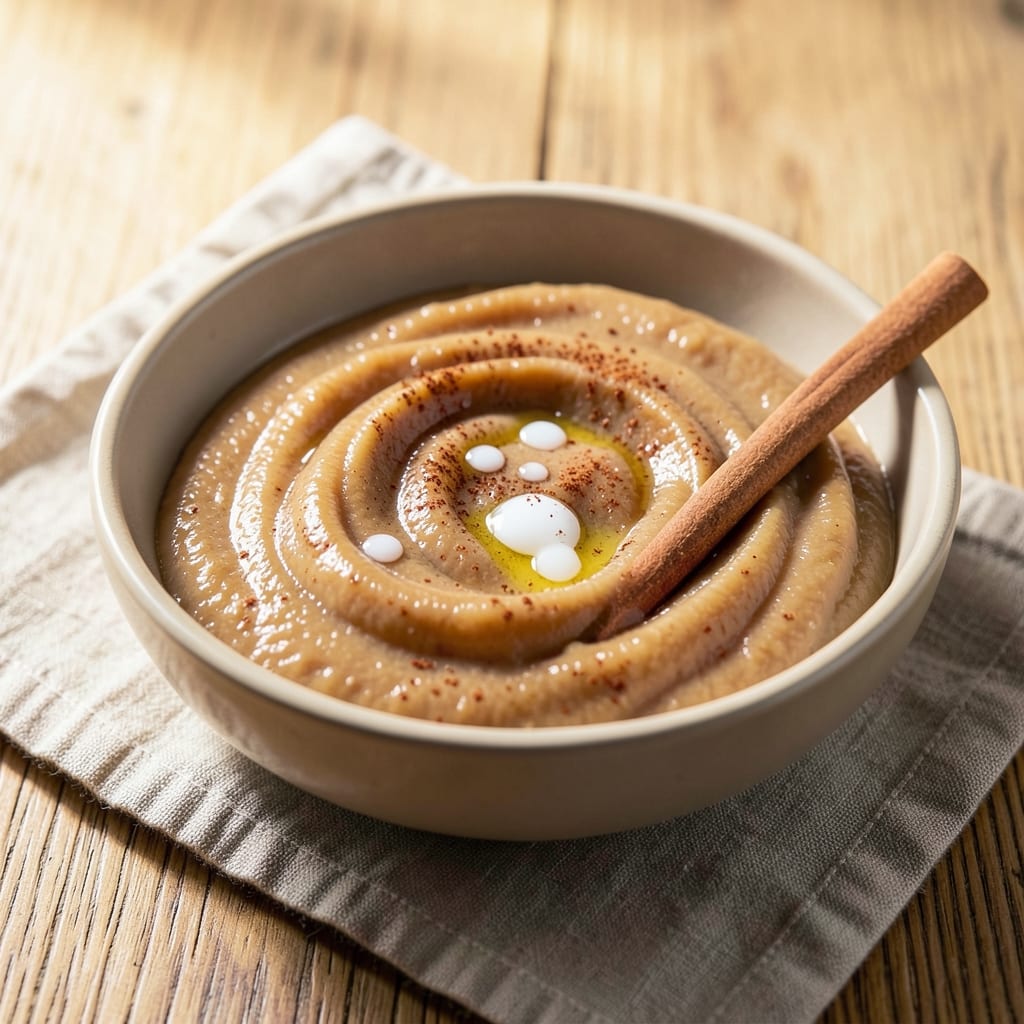
This apple and pear puree recipe transforms seasonal fruit into a silky, versatile spread perfect for pastries, smoothies, or drizzling over yogurt. The secret lies in balancing sweetness and acidity through gentle cooking—no added sugar required—while preserving the fruit's natural flavors. I developed this recipe after struggling to find a puree that worked equally well in both sweet and savory applications without tasting overly artificial.
The process is straightforward: simmer peeled, cored fruit until tender, then blend until completely smooth. A splash of lemon juice brightens the flavors while preventing browning, and optional spices like cinnamon or vanilla elevate it for baking. What makes this puree special is its adaptability—use it as a pie filling, swirl it into oatmeal, or blend it into cocktails for a fruity twist.
What you’ll end up with is a luminous, velvety spread that’s naturally sweet yet complex, with a texture that’s neither too thick nor too thin. The puree keeps beautifully in the fridge for up to a week or freezes for months, making it ideal for meal prep. It’s also vegan-friendly, requiring no dairy or refined sugar to shine.
For best results, choose firm but ripe pears and apples—think Honeycrisp or Anjou varieties—and avoid overcooking to maintain that fresh-fruit brightness. This puree is the foundation for countless recipes, from elegant desserts to quick breakfast bowls. Let’s get started!
Ingredients for apple and pear puree
Eight ingredients create this luminous, naturally sweet puree perfect for pastries, smoothies, and beyond.
| Ingredient | Amount | Notes |
|---|---|---|
| Honeycrisp Apples 🍎 | 2 lb | Peeled, cored, cut into chunks |
| Bosc Pears 🍐 | 2 lb | Peeled, cored, cut into chunks |
| Fresh Lemon Juice 🍋 | ¼ cup | Brightens flavor, prevents browning |
| Pure Water 💧 | ½ cup | For blending consistency |
| Ground Cinnamon 🌿 | 1 tsp | Optional for warmth, omit for neutral |
| Pure Vanilla Extract 🍯 | ½ tsp | Optional for depth, high-quality preferred |
| Maple Syrup 🍁 | ¼ cup | Vegan sweetener, optional for balance |
| Extra-Virgin Olive Oil 🫒 | 1 tbsp | Prevents separation, adds richness |
The fruit selection is critical for texture and flavor. Honeycrisp apples and Bosc pears deliver the ideal balance of sweetness and firmness—avoid overly ripe fruit, which yields a mushy puree. For sourcing, local farmers markets often carry these varieties at peak ripeness, or opt for organic produce at Whole Foods or Trader Joe's for consistent quality. The lemon juice isn't just for acidity; it preserves the fruit's natural color during cooking. Use freshly squeezed for maximum brightness, or ReaLemon concentrate in a pinch. When selecting, look for firm fruit with vibrant skin—no soft spots or bruising.
No Honeycrisp apples? Gala or Fuji work well as substitutes, though they're slightly less crisp. Pears can be swapped for Asian pears, but they require no peeling. The maple syrup is optional but recommended for balancing acidity—substitute with agave nectar if preferred. For a completely neutral flavor, omit both sweetener and spices. The olive oil may seem unusual, but it's essential for preventing the puree from separating when stored. If avoiding oil entirely, vegan butter at half the amount works, though texture may vary slightly. Always taste before blending; adjust sweetness or acidity as needed.
This puree keeps beautifully in an airtight container in the fridge for up to 7 days, maintaining its vibrant color and silky texture. For longer storage, portion into ice cube trays and freeze for up to 6 months3 months of freezing.
Why You'll Love This Recipe
- No Blender Battles: I swear, this puree is the only one I’ve made that doesn’t turn into a science experiment. Honeycrisp apples and Bosc pears? They break down smoothly—no pulsing, no lumps, no stress. Just peel, core, and toss them in whole. That’s it.
- Sweet-Tart Magic: The lemon juice cuts through the natural sweetness like a knife through butter, but it’s not sour—it’s bright. A pinch of cinnamon? That’s the cherry on top, turning this into something that tastes like autumn in a jar. Honestly, I’ve used it as a dip, a sauce, and even in smoothies—it’s always the star.
- Weeknight Workhorse: I keep a jar of this in the fridge for when I’m too tired to cook. Swirl it into yogurt for breakfast, drizzle it over toast with a sprinkle of cinnamon, or use it to deglaze a pan for dinner. It’s my go-to when I need flavor without effort.
- Budget-Friendly Luxury: Apples and pears are cheap, but they feel fancy. A few jars of this puree last me weeks—spread it on toast, mix it into oatmeal, or even bake it into muffins. It’s the kind of simple ingredient that makes everything taste better, without breaking the bank. (Yes, even on a Tuesday night.)
Step-by-step instructions for apple and pear puree
Here's the method for creating a silky, versatile puree perfect for pastries or smoothies.
Prepare the Fruit for Cooking
In a large pot, combine the 2 lb Honeycrisp Apples and 2 lb Bosc Pears—already peeled, cored, and cut into chunks. The Honeycrisp apples provide a bright, crisp sweetness while the Bosc pears add natural thickening and subtle earthiness. Add the 0.25 cup Fresh Lemon Juice immediately to prevent browning and enhance flavor.
Pour in the 0.5 cup Pure Water and stir gently to distribute. If using, add the 1 tsp Ground Cinnamon and 0.5 tsp Pure Vanilla Extract now. The lemon juice will brighten the fruit's natural sugars, while the cinnamon and vanilla add depth—though these are optional if you prefer a more neutral base. Bring the mixture to a simmer over medium heat.
Cook Until Soft and Tender
Cover the pot and let the fruit cook for 15-20 minutes until completely soft. You'll know it's ready when a knife slides in easily with minimal resistance. Stir occasionally to prevent sticking, but avoid mashing the fruit prematurely—this ensures a smooth texture later.
If the fruit begins to stick or brown, add 1-2 tablespoons of water as needed. The goal is tender, not mushy, fruit that will blend effortlessly. Resist the urge to rush this step; proper cooking is what creates that velvety texture in the final puree.
Blend to Silky Perfection
Transfer the cooked fruit to a high-powered blender or food processor. Add the 0.25 cup Maple Syrup and 1 tbsp Extra-Virgin Olive Oil. The maple syrup balances acidity and adds natural sweetness, while the olive oil prevents separation and adds richness. Blend until completely smooth, scraping down the sides as needed.
For an ultra-smooth puree, strain it through a fine-mesh sieve if you prefer a refined texture. If you're using it for pastries, this step ensures no lumps interfere with your baking. The puree should be thick but pourable—adjust consistency by adding small amounts of water if needed.
Finish and Store Properly
Taste the puree and adjust seasoning if desired. If it needs more brightness, add a splash of lemon juice. For warmth, add a pinch more cinnamon. The puree should be sweet but not cloying, with balanced acidity from the lemon.
Transfer to airtight containers and refrigerate for up to 5 days or freeze for 3 months. The olive oil helps preserve freshness, while the maple syrup prevents crystallization in the freezer. This versatile puree works equally well in tarts, smoothies, or as a topping for yogurt.
Pro Tips For Making Apple And Pear Puree
- PEEL AND CORE FIRST: Honeycrisp apples and Bosc pears have tough skins that turn to mush when cooked—don’t waste time peeling after softening. Grab a sharp paring knife and work directly over a bowl to catch the fruit scraps (they’re perfect for compost or quick jam). I learned this the hard way when I tried peeling after cooking and ended up with a sticky, frustrating mess.
- LOW AND SLOW WINS: Simmering at a gentle boil (small bubbles, occasional swirls) breaks down the fruit evenly without scorching. I used to crank the heat, and the puree would taste bitter—now I keep it at a whisper of a simmer for 20-25 minutes. If it’s too thick, add a splash of water; if too thin, cook longer.
- LEMON JUICE LAST: Add fresh lemon juice only at the very end—acid reacts with pectin during cooking and can make the puree separate or turn grainy. A tablespoon at the finish brightens the flavor without ruining the texture. (Yes, even if you’re impatient like me.)
- STRAIN FOR SILK: Skip the food mill if you’re in a hurry, but use a fine-mesh sieve or cheesecloth to remove skins and seeds for a velvety result. The effort makes a real difference—my first batch had gritty bits until I invested in a cheap nylon sieve. Works like a dream and lasts years.
Regional styles of this dish
French Tarte Tradition
In France, this puree shines as the star of tarte aux pommes et poires, a rustic tart where the fruit's natural sweetness pairs perfectly with a buttery pâte brisée crust. I’ve seen Parisian bakers use a similar puree for tarte Tatin, where the caramelized fruit forms a golden crust. The key difference? French versions often skip added sweetener, relying on Bosc pears and Golden Delicious apples for natural balance. 🍰
German Apfelmus Twist
Germany’s Apfelmus (apple butter) gets an upgrade with pears—this puree becomes the base for a smoother, brighter version. Traditionally served with Bratwurst or Schwarzwälder Kirschtorte, it’s often spiced with cinnamon and cloves (use ½ tsp ground cloves for authenticity). German cooks also add a splash of apple cider instead of water for depth. The texture should be slightly thicker than the French version, almost like a rustic jam.
Scandinavian Smoothie Base
In Sweden and Norway, this puree is blended into smoothies with lingonberry jam or cloudberry compote for a tart-sweet contrast. I’ve tried it with Swedish yogurt and a sprinkle of cardamom—the warm spice cuts through the fruit’s sweetness beautifully. For a true Nordic touch, swap the maple syrup for honey (if not vegan) and add 1 tsp ground cardamom pods during cooking. The result is a bright, citrusy puree perfect for breakfast bowls. 🥣
British Clotted Cream Pairing
Across the UK, this puree is drizzled over clotted cream and scones as a fruit compote, especially in Devon and Cornwall. The British version often includes blackcurrant jelly swirled into the puree for a tart, jammy flavor. For a classic cream tea, warm the puree slightly and serve with Devon clotted cream and sourdough scones. The olive oil in the recipe helps the puree cut through the richness of the cream. 🍓
American Pie Filling
In the US, this puree is a game-changer for apple pies and pear cobblers, especially in New England where Honeycrisp apples thrive. Add 1 tsp lemon zest and ½ tsp nutmeg to the puree before baking for a spiced filling. For a deep-dish pie, mix the puree with ½ cup rolled oats and 1 tbsp cornstarch to thicken it. The olive oil ensures the filling stays moist even after baking. 🥧
Nutrition facts
Frequently asked questions
Can I use frozen apples and pears instead of fresh?
Yes, but thaw and drain them first to prevent excess water in your puree. Use frozen fruit that hasn't been pre-cooked or sweetened. For best texture, simmer thawed fruit for 5-10 minutes longer than fresh to ensure complete softness before blending.
How do I adjust the sweetness if my fruit is tart?
Start with 1 tablespoon maple syrup and taste as you blend. If still too tart, add ½ teaspoon vanilla extract—it enhances sweetness naturally. For a neutral option, swap maple syrup for ¼ cup dates (soaked and blended) instead. Avoid adding sugar during cooking, as it can make the puree grainy.
Can I make this puree without olive oil?
Yes, but texture may separate faster. Replace with ½ teaspoon xanthan gum (for binding) or 1 tablespoon vegan butter (for richness). For a completely oil-free version, strain the puree through cheesecloth to remove excess moisture, then add 1 teaspoon arrowroot powder while blending to stabilize it.
What's the best way to use this puree in savory dishes?
Try it as a glaze for roasted pork or chicken by simmering ½ cup puree with 1 tablespoon soy sauce and 1 teaspoon ginger until thickened. It also works as a filling for stuffed mushrooms or as a sauce base for curries—reduce it with 1 cup coconut milk and a pinch of turmeric for color. The natural sweetness balances savory flavors beautifully.
Why did my puree turn brown after storing?
This happens when exposed to air or light—normal but harmless. To prevent it, store in a dark glass jar with a tight seal. If it's already brown, the flavor hasn't changed. For a brighter appearance, add 1 teaspoon lemon juice before storing or use the puree in baked goods where color doesn't matter.