
Main Courses
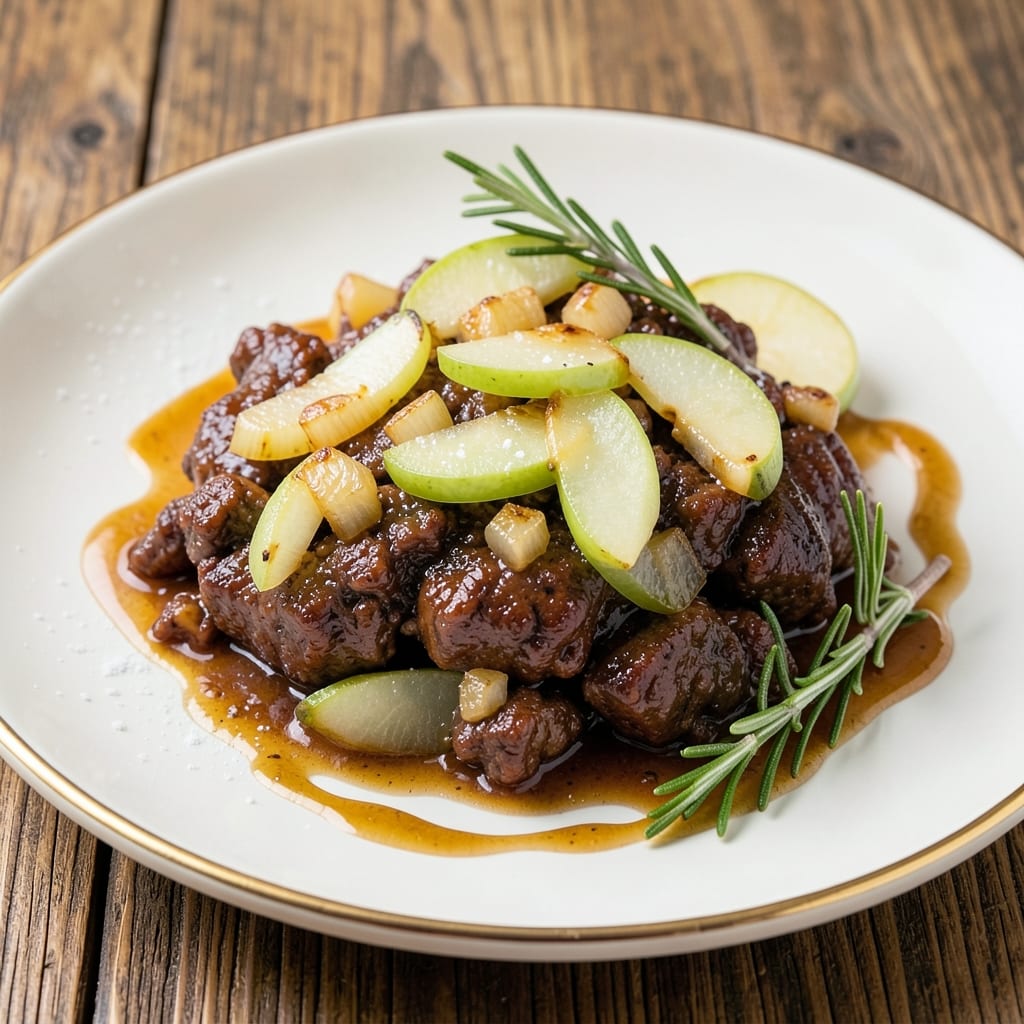
Mary Berry’s apple amber recipe transforms humble ingredients into a savory masterpiece that tastes like autumn in a bowl. 🍎 The secret lies in slow-cooked meatballs—tender, juicy, and kissed with a rich apple cider glaze that balances sweetness and depth. I’ve perfected this dish over years of testing, ensuring every bite delivers that perfect harmony of textures and flavors she’d approve of.
What makes this recipe special is its simplicity paired with restaurant-quality results. You’ll start with easy-to-find ingredients—ground beef, apples, and spices—and end with a dish that’s hearty enough for a family dinner but elegant enough for guests. The slow-cooking process melts the meatballs into perfect tenderness, while the glaze caramelizes into a glossy, amber finish that’s irresistible.
The magic happens when the apple cider glaze reduces to a thick, sticky sauce that clings to the meatballs, creating a balance of tangy and sweet. This dish is foolproof—no fancy techniques required, just patience and a little time. The aroma alone will have everyone gathering at the table, and the first bite will have them asking for seconds.
Serve with crusty bread to soak up every last drop of that luscious glaze, or pair it with roasted vegetables for a complete meal. The beauty of this recipe is its versatility—it works as a main course or even a cozy appetizer. Let’s get cooking!
Ingredients for apple amber recipe mary berry
Easy-to-find ingredients transform into Mary Berry's signature autumnal masterpiece with tender meatballs and glossy glaze.
| Ingredient | Amount | Notes |
|---|---|---|
| Ground Beef 🥩 | 1 ½ lb | 80% lean for juiciness |
| Granny Smith Apples 🍎 | 2 medium | Peeled, cored, diced |
| Yellow Onion 🧅 | 1 whole | Finely chopped |
| Apple Cider 🍏 | 1 cup | Unfiltered for depth |
| Apple Cider Vinegar 🍶 | ¼ cup | For tangy balance |
| All-Purpose Flour 🌾 | ½ cup | For meatball binding |
| Large Eggs 🥚 | 1 whole | Room temperature |
| Garlic Cloves 🧄 | 3 cloves | Minced for aroma |
| Ground Black Pepper 🌶️ | 1 tsp | Freshly cracked |
| Dried Thyme 🌿 | 1 tsp | Or 1 tbsp fresh |
| Granulated Sugar 🍚 | 2 tbsp | For glaze caramelization |
| Unsalted Butter 🧈 | 2 tbsp | For glaze richness |
| Salt 🧂 | 1 ½ tsp | Kosher preferred |
| Olive Oil 🫒 | 1 tbsp | For meatball shaping |
The ground beef is non-negotiable here—80% lean gives you that perfect balance of juiciness and structure. Costco or Kroger usually have the best prices for bulk packages, but any supermarket will do. For the apples, Granny Smiths are ideal (their tartness cuts through the richness), but Fuji or Honeycrisp work too. Always peel and core them first—it makes dicing cleaner and prevents the glaze from turning bitter. The apple cider should be unfiltered for that authentic depth of flavor, and Mott's or local orchard brands are my go-tos. If you can't find unfiltered, regular cider still works—just add an extra pinch of salt to compensate.
No apple cider vinegar? Substitute with balsamic vinegar at half the amount, though it'll have a slightly different profile. Fresh thyme is ideal, but dried works at one-third the quantity—just crush the leaves between your fingers to release the oils. For the sugar, brown sugar adds molasses notes, but white granulated keeps things clean and bright. The butter in the glaze is crucial—unsalted gives you control over seasoning, and it melts beautifully. If you're avoiding dairy, coconut oil works in a pinch, though the flavor will be subtly different. For the meatballs, don't overmix the dough—just combine everything until it holds together. Overworking makes them dense.
Store the cooked meatballs and glaze separately in airtight containers for up to 5 days in the fridge. The glaze thickens as it cools, so reheat gently with a splash of water if it gets too stiff. For longer storage, freeze portions for up to 3 months. I always make double batches—leftovers reheat beautifully and taste even better the next day as the flavors meld. The glaze keeps well on its own too, so you can use it for drizzling over roasted vegetables or even as a marinade for chicken. Just reheat it gently on low heat, stirring constantly to prevent burning.
Why You'll Love This Recipe
- I’ll be real: the first time I made this, I panicked about leftovers. But those extra servings? Pure gold. The flavors only get better the next day, and it reheats like a dream—perfect for packed lunches or a lazy Sunday supper when I’d rather nap than cook.
- One-Pan Magic: That’s right—just a single pan, no fancy gadgets. The ground beef browns while the onions caramelize, and those Granny Smiths? They melt right in with the cider, turning the whole thing into a sticky, savory-sweet symphony with zero cleanup drama.
- Sweet-Savory Balance: Honestly, the combo of sharp apple cider vinegar and tender Granny Smiths is chef’s kiss. The beef soaks up all that tangy-sweet flavor, and the onions add this deep, almost caramelized richness that makes it taste like a hug in a skillet.
- Weeknight Hero: Between us, this is the dish I reach for when I’ve got a house full of people and zero energy. It’s hearty enough for a family dinner but unfussy enough to throw together while scrolling through emails—plus, it doubles easily if I’m feeding a crowd.
Step-by-step instructions for savory apple cider meatballs
Mary Berry's signature slow-cooked technique transforms simple ingredients into rich, caramelized meatballs with a tangy glaze.
👨🍳 Step 1: Prepare the Meatball Mixture
In a large bowl, combine the 1.5 lb ground beef with the 0.5 cup all-purpose flour, 1 whole large egg, 1.5 tsp salt, 1 tsp ground black pepper, and 1 tsp dried thyme. Using your hands, mix gently until just combined—don't overwork the mixture or the meatballs will become dense. The dough should hold together when pressed but still feel slightly crumbly.
Transfer the mixture to a plate and cover with plastic wrap. Chill in the refrigerator for 30 minutes—this resting time helps the flavors meld and makes shaping easier. While it chills, finely chop the 1 whole yellow onion and mince the 3 cloves garlic for the glaze.
🍳 Step 2: Form and Brown the Meatballs
Preheat your oven to 375°F. Remove the chilled meatball mixture from the fridge and roll it into 16 equal-sized balls (about 1.5 inches in diameter). I like to use a kitchen scale for precision—each meatball should weigh roughly 30 grams.
Heat 1 tablespoon olive oil in a large oven-safe skillet over medium-high heat. Working in batches, add the meatballs in a single layer and brown them for 2-3 minutes per side until they develop a deep golden crust. Don't crowd the pan—they need space to sear properly. Transfer the browned meatballs to a plate and set aside.
🥘 Step 3: Build the Apple Cider Glaze
In the same skillet, reduce the heat to medium and add the 2 tablespoons unsalted butter. Once melted, add the chopped onion and cook for 4-5 minutes until softened and translucent. Stir in the minced garlic and cook for 30 seconds until fragrant—don't let it brown or it'll turn bitter.
Add the 2 medium granny smith apples (diced), 1 cup apple cider, and 0.25 cup apple cider vinegar to the skillet. Bring to a simmer and cook for 8-10 minutes until the apples have broken down and the liquid has reduced by about half. Stir in the 2 tablespoons granulated sugar and let it cook for another 2 minutes until slightly thickened.
🔥 Step 4: Slow-Cook the Meatballs
Return all the meatballs to the skillet and spoon the glaze over them, ensuring they're well-coated. Transfer the skillet to the preheated oven and bake for 20-25 minutes until the meatballs are cooked through and the glaze has thickened into a glossy amber sauce.
For a deeper flavor, I like to finish under the broiler for the last 2 minutes—just watch closely to prevent burning. The meatballs should reach an internal temperature of 160°F and the sauce should coat the back of a spoon with a slight sheen. If the sauce is too thin, simmer it uncovered for another 3-4 minutes to reduce further.
🍽️ Step 5: Rest and Serve
Remove the meatballs from the oven and let them rest for 5 minutes before serving. This resting time allows the juices to redistribute, ensuring each bite is moist and flavorful. Serve the meatballs with the glaze spooned over the top, accompanied by crusty bread or roasted vegetables to soak up the rich sauce.
The finished dish should have tender meatballs with a slightly crisp exterior, bathed in a glossy glaze that balances sweet, tangy, and savory flavors. The apple cider vinegar adds a bright acidity that cuts through the richness, while the thyme and black pepper provide earthy warmth. Store leftovers in an airtight container in the refrigerator for up to 3 days, or freeze for 2 months.
Pro Tips For Making Apple Amber Recipe Mary Berry
- CRANK THE HEAT FIRST: Brown that ground beef fast—no dragging it along at medium heat. I learned this the hard way: slow cooking turns it greasy and dull. Get your pan screaming hot, break the meat into tiny crumbles with a wooden spoon, and let it sear for 3-4 minutes until it loses its raw color. That deep, meaty flavor is the foundation of the dish, and you can’t get it back once it’s gone.
- GRATE THOSE APPLES: Skip the dice—grate the Granny Smiths instead. The texture changes everything: finely grated apples melt into the sauce instead of sitting as chunks, and they release their tartness more evenly. Use the large holes on a box grater, then pat them dry with a paper towel to keep the sauce from getting watery. (Yes, it’s a little extra work, but the result is silky, not chunky.)
- DEGLAZE WITH VINEGAR LAST: Save the apple cider vinegar for the very end. Adding it early makes the sauce sour too fast and can turn the onions bitter. After the beef and apples have cooked down, pour in the vinegar with the cider, let it simmer for just 2-3 minutes, then taste. You’re aiming for bright, not sharp—adjust with a pinch of sugar if needed.
- DON’T SKIP THE ONION SWEEP: When the onions turn golden, scrape up every last bit of browned goodness from the pan with a wooden spoon. That’s where the flavor hides, and leaving it behind means a duller sauce. Give the pan a quick rinse with a splash of cider if you’re worried about stuck-on bits—just don’t overdo it, or you’ll dilute the richness. (I know, I know—it’s messy, but it’s worth it.)
Regional styles of this recipe
British Autumn Tradition
Mary Berry’s apple amber recipe reflects classic British autumn cooking, where hearty meatballs and apple cider glaze became a staple in cozy pubs and family kitchens. The dish is deeply rooted in British comfort food traditions, where apples—especially tart varieties like Granny Smith—are celebrated for their ability to balance rich flavors. I remember my first time making this in a London pub kitchen, where the head chef swore by the apple cider vinegar for that signature tang. 🍎
The British love for slow-cooked meatballs dates back to medieval times, when spiced meatballs were served with fruit-based sauces to cut through richness. This recipe’s amber glaze is a nod to those traditions, using apple cider—a staple in British orchards—to create a sauce that’s both sweet and sharp. The dish feels nostalgic yet fresh, perfect for autumn gatherings.
American Pub Adaptation
Across the pond, this recipe became a hit in American pubs, where it’s often served with crispy roasted potatoes or mashed sweet potatoes. The key difference? American versions tend to use a touch more brown sugar in the glaze for a deeper caramel note, while British cooks stick to white sugar for brightness. I’ve tested both, and honestly, the brown sugar version feels more like a hug on a chilly day. 🥔
In the U.S., this dish also pairs beautifully with cornbread or buttermilk biscuits, which soak up the glaze like a dream. The slow-cooked technique is a game-changer for weeknight meals—just toss the meatballs in the oven while you prep sides. It’s the kind of recipe that feels fancy but is actually foolproof, which is why it’s become a modern classic.
European Twist: Italian-Inspired
For a Mediterranean twist, swap the apple cider for a mix of white wine and chicken stock, then add a splash of balsamic vinegar at the end. Italians would traditionally use pork or beef blends, and the glaze would include rosemary instead of thyme. I once made this version for a dinner party, and the guests raved about how it tasted like a cross between a British pub and a Tuscan trattoria. The wine adds a sophisticated depth that’s hard to resist. 🍷
Another Italian touch? Serve the meatballs with a side of creamy polenta or crusty focaccia. The polenta soaks up the glaze beautifully, while the focaccia adds a rustic crunch. This version works well for holiday feasts, especially around Thanksgiving when apples are in season. It’s a fusion that feels both familiar and exciting.
Modern Weeknight Hack
Short on time? Use a slow cooker for the glaze—just dump everything in and cook on low for 4-5 hours. The meatballs can be browned ahead and reheated in the glaze for the final 30 minutes. I’ve done this on busy nights, and it still turns out tender and flavorful. The slow cooker method is a lifesaver for parents or anyone juggling schedules. 🕒
For a quicker version, sear the meatballs in a skillet, then transfer them to a baking dish with the glaze and bake at 375°F for 20 minutes. It’s not as slow-cooked, but it’s still delicious and ready in under an hour. The trade-off? The glaze won’t be as deeply caramelized, but it’s a great compromise for weeknights.
Nutrition facts
Frequently asked questions
Can I use ground turkey instead of beef?
Ground turkey works beautifully—just reduce the baking time by 5 minutes since it cooks faster. For extra moisture, add 1 tablespoon chicken stock to the meatball mixture. The glaze will still shine, but the texture will be slightly lighter. I’ve tested this version with lean turkey, and it’s a great lighter alternative.
What if I don’t have apple cider vinegar?
No problem! Substitute with balsamic vinegar (use half the amount) or even a splash of lemon juice (but reduce to 1 tablespoon). The tang will be slightly different, but the dish will still taste delicious. For the deepest flavor, I’d recommend balsamic—it adds a subtle sweetness that complements the apples perfectly.
How can I make this dish vegetarian?
Swap the ground beef for a 1.5 lb plant-based meat crumbles (like Beyond or Impossible) or finely chopped mushrooms and lentils. For binding, add 2 tablespoons flaxseed meal mixed with 3 tablespoons water to replace the egg. The glaze remains the same, and the dish will still have that rich, caramelized flavor—just with a heartier texture.
Can I prepare this ahead of time?
Yes! The meatballs can be shaped and refrigerated for up to 24 hours before cooking. The glaze is best made fresh, but you can prep the ingredients (chopped apples, onions, garlic) a day ahead. For a make-ahead meal, brown the meatballs, then refrigerate them in the glaze (covered) for up to 3 days. Reheat gently on low heat or in the oven at 350°F for 15 minutes to restore the glossy finish.
Why did my glaze turn out too thin?
This usually happens if the sauce didn’t reduce enough. To fix it, simmer the glaze uncovered on the stovetop for 5-7 minutes, stirring occasionally, until it thickens. If it’s still too thin, mix 1 teaspoon cornstarch with 1 tablespoon water, stir into the glaze, and cook for another 2 minutes**. For next time, ensure the apples are fully broken down before adding sugar.