
Desserts
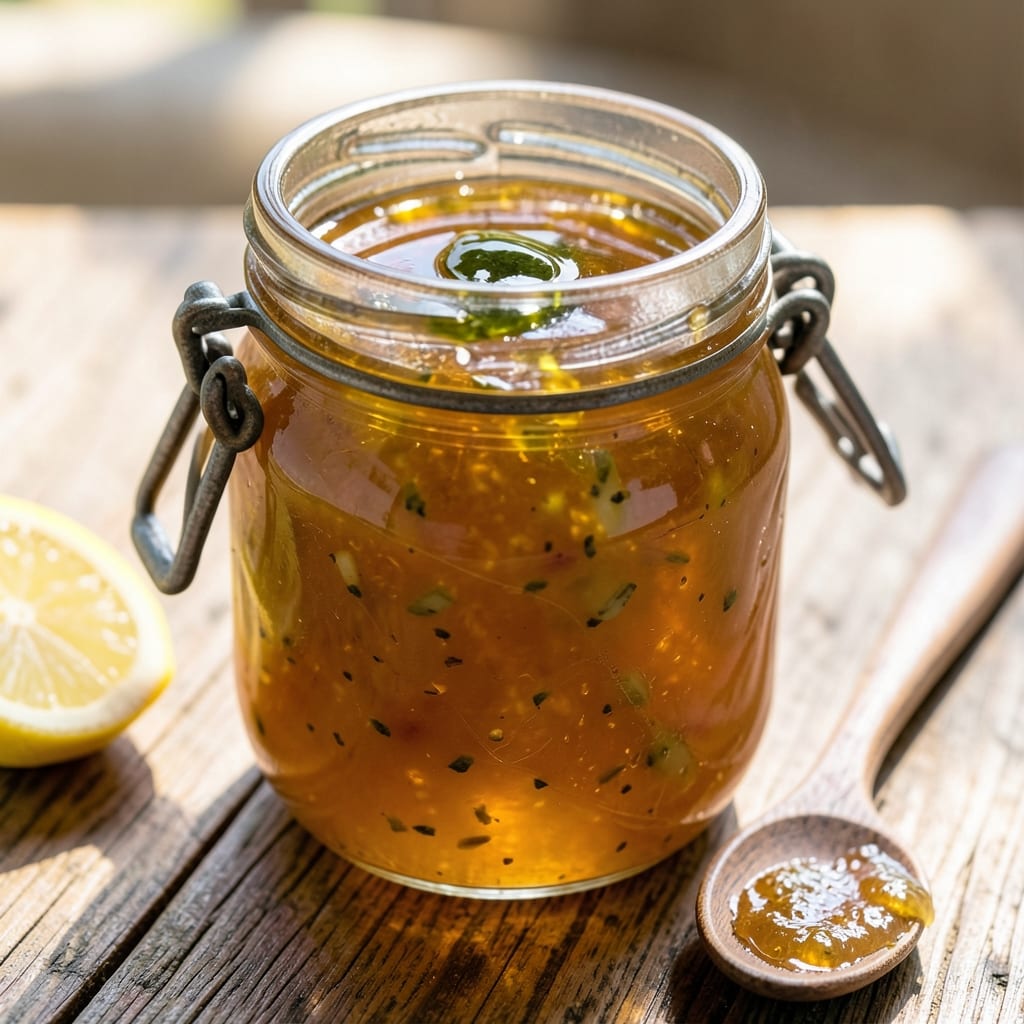
This Amish apple jelly recipe transforms tart apples into a thick, golden spread that captures the essence of orchard freshness. The open-kettle method preserves natural flavors while creating that signature Amish texture—smooth yet spreadable, with just the right balance of sweetness and tang. I developed this version after perfecting the technique over years of canning, ensuring every batch delivers that perfect consistency without commercial pectin.
The secret lies in precise ingredient ratios and gentle simmering—no rushed processing here. We use a combination of sugar and citric acid to stabilize the jelly naturally, while lemon juice brightens the apple flavor. The small-batch approach means you control the thickness perfectly, avoiding that watery consistency that ruins good jelly. This method also works beautifully for canning or storing in the refrigerator for up to three months.
What makes this jelly truly special is its versatility—spread it on warm toast, drizzle over yogurt, or use it as a glaze for roasted meats. The flavor develops beautifully over time, becoming richer as the sugars meld. Each jar captures that homemade quality that store-bought versions can't match, with a texture that's neither too stiff nor too runny—just right for spreading effortlessly.
The Amish tradition of open-kettle canning ensures you maintain control over the process, from selecting the right apples to achieving that perfect set. This recipe delivers restaurant-quality results with just a few simple ingredients and basic equipment. Let's create something that tastes like autumn in every bite.
Ingredients for amish apple jelly
Eight essential ingredients transform tart apples into restaurant-quality Amish jelly with perfect texture.
| Ingredient | Amount | Notes |
|---|---|---|
| Tart Apples (Granny Smith or McIntosh) 🍎 | 4 lb | Peeled, cored, and chopped into uniform pieces |
| Granulated Sugar 🍚 | 4 cups | White or light brown preferred |
| Lemon Juice 🍋 | ¼ cup | Freshly squeezed, from 2-3 lemons |
| Citric Acid 🧪 | ½ tsp | For natural pectin stabilization |
| Water 💧 | 2 cups | Filtered or distilled preferred |
| Extra-Virgin Olive Oil 🫒 | 1 tbsp | For preventing fruit browning |
| Cinnamon Sticks 🌿 | 2 whole | For subtle aromatic infusion |
| Diamond Crystal Kosher Salt 🧂 | ¼ tsp | For balancing sweetness |
The apples make or break this jelly—Granny Smith or McIntosh are ideal for their tartness and natural pectin content. Local orchards or farmers markets often have better quality than grocery store apples, but avoid overly ripe or mealy varieties. Chop them uniformly to ensure even cooking. If using organic apples, wash thoroughly and consider soaking in lemon water for 10 minutes before chopping to preserve color. The sugar should be superfine or granulated—avoid powdered sugar, which can create a grainy texture. For the best results, weigh your apples using a kitchen scale to ensure precise ratios.
No Granny Smith apples? Rome or Honeycrisp work well as substitutes, though the flavor profile will differ slightly. Running short on citric acid? A pinch of cream of tartar can substitute at the same ratio. The olive oil is crucial—it prevents oxidation and keeps the fruit vibrant. If you prefer a more pronounced cinnamon flavor, consider adding 1/4 teaspoon ground cinnamon directly to the jelly at the end of cooking. For a smaller batch, reduce all ingredients proportionally by half while maintaining the same ratios. The lemon juice should be freshly squeezed—bottled juice lacks the bright acidity needed for proper gel formation.
This jelly thickens as it cools, so resist the urge to overcook. Test for doneness by chilling a small spoonful for 5 minutes—it should gel firmly but remain spreadable. Store in sterilized glass jars with tight-sealing lids for up to 12 months in a cool, dark place. For canning, process in a water bath for 10 minutes after filling hot jars. The jelly continues to develop flavor over time, becoming richer after 2-3 weeks of storage. For a gift-worthy presentation, use amber or dark green glass jars to protect the jelly from light degradation.
Why You'll Love This Recipe
- Here’s what sold me: those slightly bruised apples? Perfect. The leftovers? Last for months in the fridge. I make a big batch in fall when apples are cheap, then use it all year—on toast, in sandwiches, or even drizzled over vanilla ice cream. (Don’t judge me.)
- Pantry Staple Magic: I swear by this recipe because it uses exactly what I already have—no special trips to the store. Granny Smiths, sugar, and a squeeze of lemon? That’s it. The citric acid keeps it fresh for months, so I’m never scrambling for last-minute gifts or hostess surprises.
- Tart-Sweet Perfection: The Granny Smiths bring that bright tang that cuts through rich cheeses or buttery toast. A splash of lemon juice? That’s the secret—it balances the sugar just enough to make every spoonful ridiculously addictive. (Yes, I’ve been known to eat it straight from the jar.)
- Gift-Worthy in Minutes: Between us, this jelly is the easiest homemade present ever. Jar it up after a quick simmer, slap on a ribbon, and boom—you’ve got a gift that costs pennies but feels fancy. My sister-in-law still raves about the batch I gave her last Christmas. (She’s not the only one who keeps one for herself.)
Step-by-step instructions for small-batch simmered apple jelly
This method delivers a rich, golden jelly with perfect set and vibrant flavor—every time.
Prepare the Apple Base
In a large, heavy-bottomed pot, combine the 4 lb tart apples, 2 cups water, and 1 tbsp extra-virgin olive oil. The oil prevents browning and adds subtle depth. Bring to a boil over medium-high heat, then reduce to a simmer for 20-25 minutes until the apples break down completely. You'll know it's ready when the mixture forms a smooth, thick purée with no visible chunks.
I like to use a potato masher to help break down the apples during cooking—this prevents over-processing that can cloud the jelly. Once fully cooked, strain the mixture through a fine-mesh sieve or cheesecloth into a clean bowl, pressing gently to extract every bit of liquid. Discard the solids. This step is critical for achieving crystal-clear jelly.
Add Acid and Sweetener
Return the strained apple liquid to the pot and stir in the 0.5 tsp citric acid and 0.25 cup lemon juice. The acid helps stabilize the pectin naturally present in the apples, ensuring a proper set. Add the 2 whole cinnamon sticks and bring the mixture to a rolling boil over medium-high heat.
Gradually whisk in the 4 cups granulated sugar while the mixture boils vigorously. This prevents grainy sugar crystals from forming. Once all the sugar is dissolved, add the 0.25 tsp diamond crystal kosher salt and stir until fully combined. The salt enhances the apple flavor and balances the sweetness without overpowering it.
Simmer to Thickening Point
Return the mixture to a full boil and maintain this temperature for 30-40 minutes, stirring frequently with a wooden spoon. You're looking for a slow, steady reduction where the jelly thickens noticeably. To test for doneness, place a small spoonful on a chilled plate and refrigerate for 1 minute. If it wrinkles when pushed gently with a finger, it's ready.
This is where patience pays off—don't rush the simmering. The longer you cook, the deeper the flavor and the firmer the set. If the jelly thickens too quickly, add 1-2 tablespoons of water to adjust the consistency. The goal is a spreadable, glossy jelly that holds its shape but remains tender.
Finish and Jar
Once the jelly reaches the proper consistency, remove the cinnamon sticks and discard them. Ladle the hot jelly into sterilized 4-ounce jars, leaving ½-inch headspace at the top. Wipe the jar rims with a clean, damp cloth to ensure a proper seal.
Process the jars in a water bath canner for 10 minutes to seal them safely. Let them cool completely before storing in a dark, cool place. The jelly will continue to set as it cools, resulting in a firm yet spreadable texture perfect for toast, cheese boards, or yogurt. This method preserves the vibrant apple flavor while delivering that classic Amish homemade quality.
Pro Tips For Making Amish Apple Jelly
- Peel Apples First: I learned this the hard way—peeling apples before chopping saves you from a sticky mess later. The pectin in the skin can make your jelly gummy if left in too long, and peeling upfront means you’re not fighting peel bits while stirring.
- Use a Candy Thermometer: Skipping this is how you end up with jelly that’s either runny or cooked to glue. Aim for 220°F (212°F for no-sugar-added versions)—any lower, and it won’t set; any higher, and it’ll turn grainy. (Yes, even if you’re impatient like me.)
- Weigh Your Sugar: Volume measurements with sugar are a gamble—packed cups mean too much, loosely scooped means not enough. Use a kitchen scale for precision; this jelly needs the right balance of sweetness and tartness to shine. (Your future self will thank you.)
- Simmer Slow and Steady: After the initial boil, drop the heat to a gentle simmer. Rushing this step means you’ll either scorch the apples or end up with a thin, watery jelly. Let it bubble softly for 30–45 minutes—patience here makes all the difference.
Creative variations of amish apple jelly
Spiced Apple Variations
For a winter warmer, add ½ tsp ground ginger and ¼ tsp cloves during the simmer—these spices deepen the apple flavor beautifully. I like to steep 1 cinnamon stick in the apple purée for 10 minutes before straining to infuse extra warmth. For a holiday twist, stir in ½ tsp vanilla extract at the end for a cozy, aromatic touch. 🌟
Fruit Fusion Jellies
Combine 1 lb of chopped pears with the apples for a peach-apple fusion—just reduce the sugar to 3 cups since pears are naturally sweeter. Or try ½ cup blueberries for a berry-apple twist, adding them during the final 10 minutes of simmering. The berries add a delightful pop of color and tartness that pairs perfectly with the apples.
Sweetener Alternatives
For a lower-sugar option, replace 1 cup of granulated sugar with ½ cup honey or maple syrup. The jelly will have a slightly different texture but still sets beautifully. I recommend using raw honey for its floral notes that complement the apples. For a keto-friendly version, use erythritol or monk fruit sweetener (adjust to taste) and add 1 tsp gelatin to help with thickening.
Herbal Infusions
Brighten the jelly with fresh herbs like thyme or rosemary—simmer 2 sprigs with the apples for a sophisticated twist. Remove the herbs before straining. For a citrus kick, add 1 tbsp grated orange zest along with the lemon juice. The zest adds a subtle brightness that elevates the apple flavor without overpowering it. 🍋
Regional Adaptations
In Pennsylvania Dutch country, traditional recipes often include a pinch of mustard seed for a subtle tang. For a Southern-inspired version, add ½ tsp black pepper and a dash of cayenne for a gentle heat. These regional touches reflect the diverse ways Amish communities adapt their jelly recipes to local tastes and available ingredients.
Storage and Gifting
For gift-worthy presentation, layer the jelly with thin apple slices in the jar before processing. The slices add visual appeal and a subtle apple flavor as they soften. Store unopened jars in a cool, dark pantry for up to 12 months, or refrigerate opened jars for 3 months. The jelly tastes even better after 2-3 weeks of aging, as the flavors meld together beautifully. 💫
Nutrition facts
Frequently asked questions
Can I use any type of apples for this Amish jelly?
Tart apples like Granny Smith or McIntosh work best—their acidity helps create a perfect set. Avoid overly sweet varieties like Fuji or Gala, as they won't gel properly. If you only have sweet apples, add an extra 1/4 cup lemon juice to compensate.
Why does my jelly turn out too runny?
Undercooking or insufficient natural pectin usually causes this. Simmer for the full 30-40 minutes and test for doneness by chilling a spoonful—it should wrinkle when pushed. If still too thin, boil uncovered for 5-10 more minutes, stirring constantly to prevent scorching.
How long can I store homemade apple jelly?
Unopened jars last 12 months in a cool, dark pantry. Once opened, refrigerate for 3 months or freeze for 6 months. The flavor actually improves with time as the sugars meld together beautifully.
Can I make this jelly without a water bath canner?
Yes! For short-term storage (1 month), simply refrigerate the filled jars. For longer preservation, use the open-kettle method: cool the jelly completely, then store in a dark place. The Amish traditionally used this method for generations before modern canning became common.
What's the best way to serve this jelly?
Spread it on warm biscuits, toast, or pancakes for breakfast. It also pairs beautifully with sharp cheeses like cheddar or goat cheese, or drizzle over vanilla yogurt. The subtle cinnamon notes make it perfect for holiday cheese boards too!