
Beverages
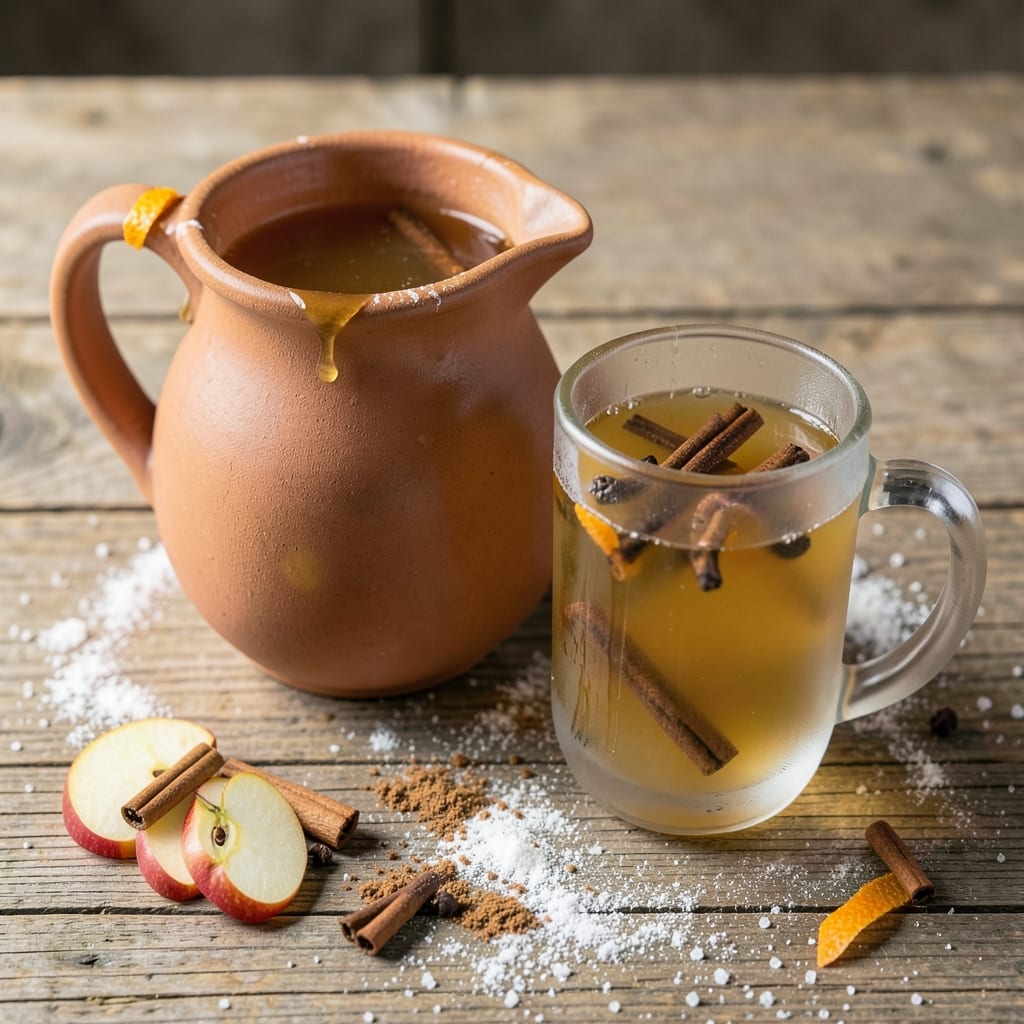
This Amish apple cider recipe brings the warmth of a Pennsylvania orchard to your kitchen with every sip. 🍂 The secret lies in slow-simmering fresh apples with classic spices—cinnamon, cloves, and nutmeg—to create a drink that tastes like autumn in a mug. I’ve perfected this method over years of harvests, balancing tradition with foolproof techniques that deliver rich, aromatic flavor without the fuss of fermentation.
The process starts with pressing apples for maximum juice, then simmering them with spices until the liquid reduces to a fragrant, golden concentrate. Unlike store-bought versions, this recipe captures the true depth of apple flavor—tangy, sweet, and spiced just right. Whether you serve it warm with a cinnamon stick or chilled over ice, it’s a drink that feels like a hug in liquid form.
What makes this recipe special is its versatility: simmer it for a non-alcoholic treat or ferment it for a traditional hard cider. The spices infuse beautifully, creating layers of warmth that make it perfect for cozy evenings, holiday gatherings, or even as a festive centerpiece. Plus, the leftovers keep well in the fridge for days, so you can enjoy the taste of harvest long after the season ends.
Ready in under an hour, this cider requires just a few simple ingredients and a little patience—no fancy equipment needed. The result? A drink that tastes like nostalgia in every sip, with just the right balance of sweetness and spice. Let’s get simmering!
Ingredients for amish apple cider
Six pounds of apples and a handful of spices transform into cozy autumn sips.
| Ingredient | Amount | Notes |
|---|---|---|
| Fresh Apples 🍎 | 6 lb | Mixed varieties like Gala, Fuji, Granny Smith |
| Granulated Sugar 🍚 | 2 cups | White or light brown preferred |
| Ground Cinnamon 🌿 | 2 tsp | Freshly ground for best aroma |
| Whole Cloves 🌶️ | 4 whole | For deep spice infusion |
| Ground Nutmeg 🌿 | ½ tsp | Freshly grated preferred |
| Orange Peel 🍊 | 1 whole | From 1 large orange, sliced thin |
| Water 💧 | 2 cups | Filtered preferred for clarity |
| Lemon Juice 🍋 | 1 tbsp | Freshly squeezed for brightness |
| Salt 🧂 | ½ tsp | Kosher or sea salt |
| Cinnamon Sticks 🍂 | 3 whole | For garnish and infusion |
The apples are the foundation—local orchard varieties like Gala or Fuji work best, but Granny Smith adds tartness. I always grab mine from local farmers markets in fall when they're at their peak, but grocery store apples work too. Look for firm, vibrant fruit without bruises. For the spices, Penzeys or bulk bins are my go-to for freshness. The cinnamon and nutmeg should smell warm and inviting, not stale. If you can't find whole cloves, pre-ground works, but whole cloves infuse better during simmering.
No fresh orange peel? Bottled orange juice concentrate works in a pinch, but fresh is ideal for that bright citrus note. Running short on cinnamon? Cassia cinnamon at double the amount gives a stronger flavor. For a sweeter cider, add an extra cup of sugar—taste as you go. The water should be filtered if possible, but tap water works fine. Don't skip the salt—it balances the sweetness and enhances all the flavors. I like to keep a bag of organic spices on hand for this recipe, but the regular grocery store spices are perfectly fine too.
Store any leftovers in the fridge for up to 5 days in an airtight container. The cider actually tastes better the next day as the flavors meld. For longer storage, freeze in ice cube trays and transfer to a sealed bag for up to 3 months. I always make extra—it's perfect for holiday gatherings or as a festive centerpiece. The spices can be toasted in a dry pan for 1 minute before adding to deepen their aroma, but it's not required.
Why You'll Love This Recipe
- Five-Ingredient Magic: I swear by this recipe because it’s basically impossible to mess up—just apples, sugar, and a handful of spices. No peeling, no fancy techniques, just core and chop. My kids even help (with supervision, obviously).
- Warm Spice Hug: That first sip? Pure autumn in a mug. The cinnamon and nutmeg wrap around you like a cozy blanket, while the cloves add a tiny, unexpected depth. It’s the kind of drink that makes you want to slow down and savor it.
- Crowd-Pleaser Always: Serve it at your next gathering, and no one will bat an eye—whether it’s a backyard BBQ or a quiet Sunday morning. Honestly, I’ve even used it as a non-alcoholic base for mulled wine (shh, don’t tell the adults).
- Pantry Staple Power: You’re already using what you have—sugar, spices, and apples you’d normally toss in a salad. No weird ingredients, no last-minute grocery runs. Plus, it keeps in the fridge for days, so you’re never stuck scrambling.
Step-by-step instructions for homestyle spiced apple cider
Here's the method—simple, tested, and guaranteed to deliver that classic Amish cider aroma.
🍳 Step 1: Core and Chop the Apples
Wash the 6 lb fresh apples thoroughly under cold water, then use a sharp paring knife to remove the stems and blossom ends. Cut each apple into 8-10 equal wedges, leaving the skin on for texture and flavor. I like to keep the wedges about 1-inch thick—this ensures even cooking and prevents some pieces from becoming mushy.
As you work, remove any bruised spots or browned areas. These can make the cider bitter, and you want that bright, clean apple flavor to shine through. Place the chopped apples in a large stockpot or Dutch oven—you'll need something big enough to hold everything comfortably without overcrowding.
🍳 Step 2: Build the Spice Base
In a small bowl, combine the 2 tsp ground cinnamon, 0.5 tsp ground nutmeg, 4 whole cloves, and 0.5 tsp salt. Mix well to distribute the spices evenly. Add the sliced orange peel and 3 whole cinnamon sticks to the pot with the apples. Pour in the 2 cups water and bring the mixture to a boil over medium-high heat.
Once boiling, reduce the heat to medium-low and let it simmer gently for 15 minutes. This initial simmer helps break down the apple fibers and extract their natural juices. You'll notice the apples soften slightly and the liquid starts to take on a pale golden color. Don't walk away—keep an eye on it to prevent boiling over.
🍳 Step 3: Sweeten and Simmer
After 15 minutes of simmering, add the 2 cups granulated sugar and 1 tbsp lemon juice. Stir gently to dissolve the sugar completely—this is where the cider starts to develop its signature sweet-tart balance. The lemon juice brightens the flavor and prevents the cider from tasting flat.
Continue simmering uncovered for another 30-40 minutes until the apples are tender and the cider has reduced slightly, creating a thicker, more concentrated flavor. You'll know it's ready when the apples can be easily pierced with a fork and the aroma fills your kitchen with that unmistakable spiced apple scent. Here's the thing—don't rush this step. The longer it simmers, the deeper the flavor.
🥘 Step 4: Strain and Serve
Remove the pot from heat and let it cool for 5 minutes. Line a fine-mesh strainer with cheesecloth or a clean kitchen towel, then strain the cider into a large pitcher or bowl. Gently press on the apples to extract all the liquid, but avoid squeezing too hard or you'll get a cloudy cider. Discard the solids or compost them.
For a smoother texture, you can strain the cider through a coffee filter or cheesecloth-lined sieve after the initial straining. Serve warm in mugs, garnished with an extra cinnamon stick or orange peel twist. This cider keeps well in the refrigerator for up to 5 days, though it's best enjoyed fresh when the spices are at their peak aroma.
Pro Tips For Making Amish Apple Cider
- PEEL BEFORE CORE: Peeling the apples first saves time and keeps your hands dry—no one wants to scrub cinnamon-stained fingers after slicing. Use a vegetable peeler for speed, but leave the stems intact until you’re ready to chop; they’ll stay neater that way.
- SIMMER LOW AND SLOW: Start with a rolling boil, but drop the heat to a gentle simmer once the apples soften—around 15 minutes in. Too much heat caramelizes the sugar too fast, turning your cider into syrup. Aim for a steady 180°F (82°C) to let the spices infuse evenly.
- STAR ANISE TRICK: Skip the pre-ground nutmeg—it loses potency fast. Instead, crush 2 whole cloves and 1 star anise (if you have it) with a mortar and pestle right before adding to the pot. The oils release better this way, giving deeper warmth than store-bought powder.
- STRAIN TWICE: Line your strainer with cheesecloth or a clean kitchen towel for the first pass—it catches tiny apple bits that would make your cider cloudy. For the second pass, press the pulp gently with a wooden spoon to extract every last drop, but don’t overdo it or you’ll get bitter juice.
Wine and beer pairings for this amish apple cider
Warm Cider with Beer
Pair this spiced apple cider with a crisp American-style wheat beer like Blue Moon or Allagash White. The light, citrusy notes of these beers complement the cider’s cinnamon and orange flavors beautifully. The effervescence also helps cleanse your palate between sips, making it a refreshing contrast. 🍺
Spiced Rum Elevation
For a festive twist, add 1 oz of spiced rum (like Captain Morgan) per mug of warm cider. The rum’s vanilla and caramel notes blend seamlessly with the apple and spices, creating a cozy, almost mulled-wine-like experience. Serve in mugs with a cinnamon stick stirrer for an extra touch of warmth.
Hard Cider Pairings
If you ferment your cider into a traditional Amish hard cider, pair it with sharp dry cider like Angry Orchard or Strongbow. The tannins in these ciders enhance the apple’s natural acidity, while the alcohol in your homemade version adds depth. For a non-alcoholic twist, serve with sparkling apple soda like Martinelli’s.
Red Wine Harmony
A light-bodied red like Pinot Noir or Beaujolais works surprisingly well with this cider. The wine’s bright fruitiness mirrors the apple’s sweetness, while its subtle earthiness balances the spices. Chill the wine slightly before serving to enhance its crispness against the warm cider. 🍷
Coffee or Tea Contrast
For a unique pairing, serve your cider alongside a dark roast coffee or chamomile tea. The bitterness of coffee cuts through the cider’s sweetness, while chamomile’s floral notes complement the cinnamon. This combo is perfect for chilly evenings or holiday gatherings where you want both warmth and variety.
Non-Alcoholic Sparkling
For a refreshing, alcohol-free option, pair your cider with sparkling apple cider like Martinelli’s Sparkling Cider or White Claw Apple Cider. The bubbles and tartness create a lively contrast to the rich, spiced cider. Serve both chilled in festive glassware for a crowd-pleasing presentation.
Nutrition facts
Frequently asked questions
Can I make this cider without fresh apples?
Yes, but the flavor will be different. Use 4 cups of unsweetened apple juice (like fresh-pressed) instead of the apples, and reduce the sugar to 1 cup. Simmer with spices for 20-25 minutes instead of 45 total. For extra depth, add 1 tbsp apple cider vinegar to mimic the tartness from fresh apples.
How do I know when the cider is done simmering?
The cider is ready when the apples are fork-tender and the liquid smells intensely spiced. Test by piercing an apple wedge—it should collapse easily. The total simmer time (after adding sugar) should be 30-40 minutes. If it reduces too quickly, lower the heat slightly to prevent burning the spices.
Can I ferment this into hard cider?
After straining, cool the cider to 70°F or below, then add 1/4 tsp wine yeast (like Lalvin EC-1118) per quart. Ferment in a sanitized container with an airlock for 5-7 days until bubbling stops. For safety, always use a hydrometer to monitor alcohol content—aim for 5-7% ABV. Store in glass bottles with corks.
Why does my cider taste bitter?
Bitterness usually comes from over-simmering or using bruised apples. To fix it, add 1 tbsp lemon juice or 1 tsp honey per cup of cider to balance the flavors. For future batches, remove all bruised spots before chopping and don't over-simmer—45 minutes total is ideal. The spices should infuse, not dominate.
How can I make this cider kid-friendly?
Reduce the spices to 1 tsp cinnamon, 2 whole cloves, and 1/4 tsp nutmeg. Skip the orange peel and add 1/2 tsp vanilla extract for sweetness. Serve chilled with a splash of ginger ale for fizz. For extra safety, don't ferment—simmer only 20 minutes after adding sugar and strain immediately.