
Beverages
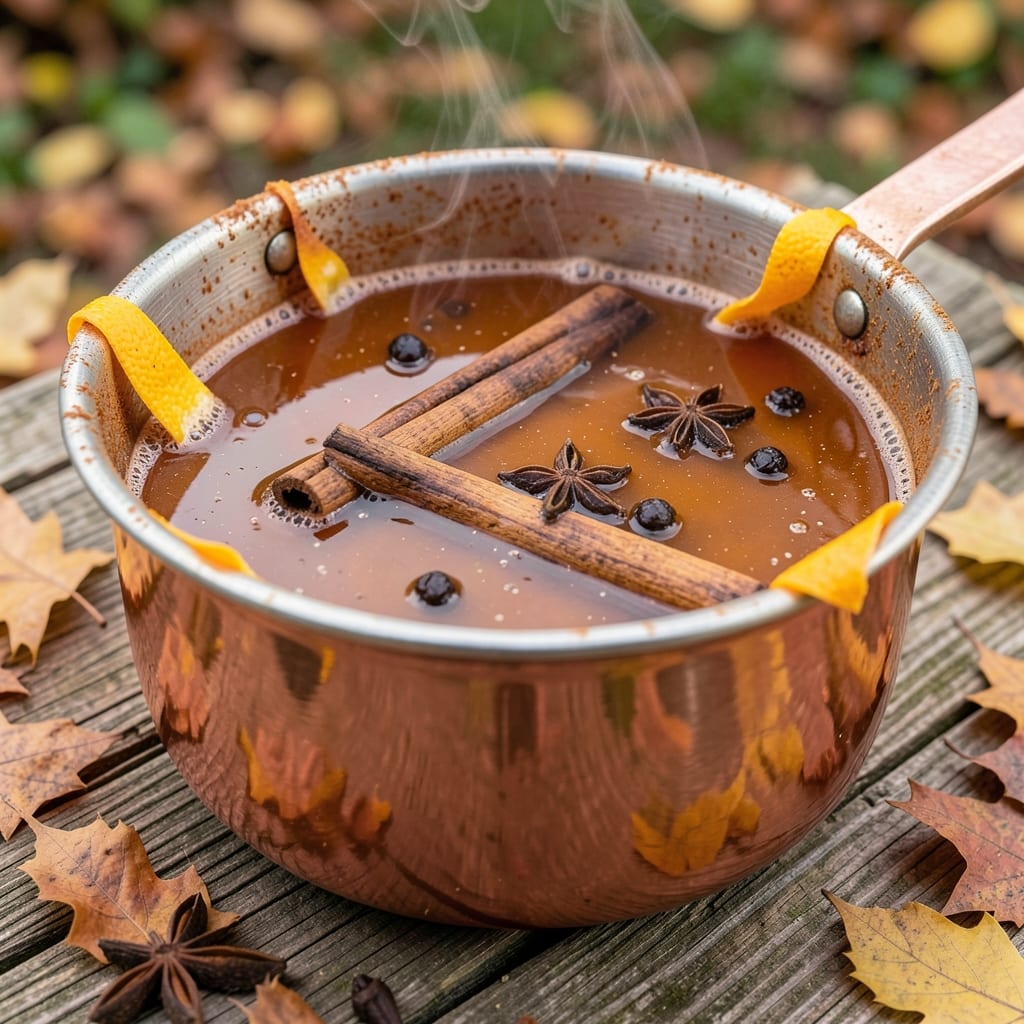
This American apple cider recipe transforms seasonal apples into a warm, aromatic drink that captures the essence of autumn harvests. 🍂 The slow simmer of spiced cider creates deep flavors that make every sip feel like a cozy embrace—perfect for crisp fall evenings or holiday gatherings. What makes this recipe special is its versatility: enjoy it warm with cinnamon sticks, spiked with bourbon, or even fermented for hard cider.
The process begins with fresh apples, which you'll simmer with water, sugar, and spices like cinnamon and cloves to develop rich, complex flavors. No special equipment is needed—just a large pot, a strainer, and patience for the slow reduction that concentrates the natural sweetness. The result is a fragrant, golden cider that's naturally sweetened and bursting with autumnal warmth.
Once simmered to perfection, this cider becomes the heart of fall celebrations—whether served steaming in mugs at a harvest festival or poured into mugs for a quiet evening by the fire. The spices infuse the liquid with warm, comforting notes, while the natural apple flavor shines through. Store leftovers in the refrigerator for up to a week, or freeze for longer shelf life.
For a modern twist, try adding a splash of bourbon or apple brandy for a festive cocktail version, or experiment with different apple varieties to adjust sweetness and tartness. This recipe isn't just a drink—it's a tradition that brings people together during the coziest season of the year.
Ingredients for american apple cider
Twelve ingredients for a spiced cider that captures autumn's cozy warmth in every sip.
| Ingredient | Amount | Notes |
|---|---|---|
| Fresh Apples 🍎 | 6 lb | Mixed variety, peeled and quartered |
| Water 💧 | 4 cups | Filtered or spring water preferred |
| Granulated Sugar 🍚 | 2 cups | Adjust for apple sweetness |
| Cinnamon Sticks 🌿 | 4 whole | For infusing aroma |
| Whole Cloves 🌶️ | 6 whole | For deep spice flavor |
| Orange Peel 🍊 | 1 strip | From 1 organic orange |
| Vanilla Bean 🌸 | 1 whole | Split lengthwise for seeds |
| Ground Nutmeg 🌿 | ½ tsp | Freshly grated preferred |
| Salt 🧂 | ½ tsp | Kosher or sea salt |
| Apple Cider Vinegar 🍶 | 1 tbsp | For balance and preservation |
| Bourbon or Apple Brandy 🥃 | 1 cup | Optional for spiked version |
| Cinnamon Sticks (for serving) 🌿 | 2 whole | For garnish and extra aroma |
The apples are the heart of this cider, so mix varieties—Fujis for sweetness, Granny Smiths for tartness, and Honeycrisp for complexity. Local orchards or farmers markets often have the freshest selection, but grocery store bins work too. Look for firm, unblemished apples with vibrant color. Peeled and quartered, they'll release their natural sweetness during the slow simmer. For the spices, Penzeys Spices or bulk bins at Whole Foods offer the freshest ground options, while cinnamon sticks and whole cloves can be found in any supermarket's baking aisle. The orange peel adds a bright citrus note—organic is best to avoid wax residue, but conventional works in a pinch.
No vanilla bean? Pure vanilla extract at half the amount works, though the seeds add beautiful flecks to the finished cider. Short on apples? Apple juice concentrate can supplement, but fresh is ideal. The bourbon or brandy is optional but recommended for a festive touch—Buffalo Trace or Maker's Mark add depth, but any good bourbon does the trick. For a non-alcoholic version, add a splash of apple brandy extract instead. The apple cider vinegar might seem unusual, but it balances sweetness and adds subtle tang—Bragg Organic is my go-to. If you're fermenting into hard cider, reduce the sugar slightly and add yeast, but that's a whole other process!
This cider keeps beautifully—1 week refrigerated or 3 months frozen. For freezing, use airtight containers or mason jars, leaving 1-inch headspace. Reheat gently on the stove or microwave until steaming. The spices infuse more deeply over time, so the flavor actually improves after a day or two. Serve with cinnamon sticks for stirring and extra warmth. For a modern twist, strain the cider and reduce it further for a concentrated syrup to drizzle over desserts or pancakes. The leftovers make excellent ice cubes for cocktails—just freeze in a tray and transfer to a bag.
Why You'll Love This Recipe
- Pantry-Only Magic: I swear by this recipe because it uses exactly what I already have—no fancy shopping trips. Just apples, water, sugar, and those spices gathering dust in my cabinet. The cloves and cinnamon sticks? They’re the secret weapon—no measuring, just toss them in.
- Warmth in a Mug: That first sip of spiced, bubbling cider? It’s like autumn in a cup. The sugar caramelizes just enough to balance the tart apples, while the cloves add a deep, woodsy bite. Honestly, it’s the kind of drink that makes me pause mid-sip and think, “Why don’t I do this more?”
- Crowd-Pleaser Anywhere: I’ve served this at tailgates, holiday brunches, and even as a cozy weekend breakfast with pancakes. It’s the one drink that everyone reaches for—kids, grandparents, my picky uncle. Plus, it’s the perfect base for mulled wine later if you’re feeling fancy.
- Zero-Waste Comfort: Between us, this recipe is my go-to for using up bruised apples or oddball varieties. Simmer it down, strain it, and you’ve got a batch that keeps for days in the fridge. I’ll often make a big pot on Sundays—sip some now, reheat later, and still have leftovers for when company drops by. Effortless.
Step-by-step instructions for spiced apple cider
Here's the classic method for crafting rich, aromatic apple cider with perfect spice balance.
🍳 Step 1: Prepare and Simmer the Apple Base
In a large stockpot, combine the 6 lb fresh apples (peeled and quartered), 4 cups water, 2 cups granulated sugar, 4 whole cinnamon sticks, 6 whole cloves, and 1 strip orange peel. Bring to a rolling boil over medium-high heat—you'll hear the apples begin to break down and release their juices.
Once boiling, reduce heat to medium-low and let it simmer uncovered for strong>20-25 minutes, stirring occasionally. You're looking for the apples to soften completely and the liquid to reduce slightly—this builds the cider's depth. The mixture should smell intensely of apples and warm spices. If the cider starts to stick, add 1-2 tablespoons of water to keep it moving.
🥘 Step 2: Infuse with Spices and Vanilla
Remove the pot from heat and carefully add the split vanilla bean (scraping out the seeds) and 0.5 tsp ground nutmeg. Stir gently to distribute the spices evenly. Let the cider steep off the heat for strong>15 minutes—this allows the vanilla and nutmeg to mingle with the apples and develop their flavors.
I like to press the vanilla bean against the side of the pot to release more seeds into the liquid. The cider should now have a complex aroma—sweet apples with warm, woody vanilla notes. This is where the magic happens; don't rush this step. If you're using the 1 cup bourbon or apple brandy, add it now and stir gently to combine.
🍳 Step 3: Strain and Finish the Cider
Line a fine-mesh strainer with cheesecloth or a clean kitchen towel, then strain the cider into a clean pot or large pitcher. Work in batches if needed—you want all the liquid but none of the apple pulp. Discard the solids or save them for apple butter if you're feeling ambitious.
Return the strained cider to the pot and bring to a gentle simmer over low heat. Stir in the 0.5 tsp salt and 1 tbsp apple cider vinegar, then let it simmer for strong>5-7 minutes to meld all the flavors. The vinegar brightens the cider while the salt enhances all the sweet and spice notes. Taste and adjust sweetness if needed—you can add more sugar if it tastes tart, but the original amount should be perfect.
⏰ Step 4: Serve Warm with Garnish
Ladle the warm cider into mugs or heatproof glasses, leaving room at the top. Garnish each serving with 1 whole cinnamon stick (for serving)—this adds a beautiful presentation and lets guests infuse their own cider with fresh spice. Serve immediately with a sprinkle of ground nutmeg or extra cinnamon sticks on the side.
For the best experience, serve with buttery cinnamon rolls or warm apple slices. The cider should be fragrant, with a perfect balance of sweetness and spice—sweet from the apples and sugar, warm from the cinnamon and cloves, and bright from the orange peel and vinegar. Each sip should feel like autumn in a mug.
Pro Tips For Making American Apple Cider
- PEEL AND CORE APPLES FAST: Use a sharp paring knife instead of an apple corer—it’s faster and lets you control the chunks. Big chunks = more flavor, but keep them even so they cook uniformly.
- STEADY THE SIMMER: A rolling boil scalds the apples, turning your cider bitter. Once the apples hit the pot, lower heat to a gentle simmer—just small bubbles breaking the surface—and stir occasionally to keep things even.
- STRAIN TWICE: After simmering, line a fine-mesh strainer with cheesecloth for the first pass to catch tiny pulp bits. Then, for the final pour, use a clean kitchen towel folded into a pouch—it’ll filter out even the finest grit and give you that silky-smooth cider.
- SWEETEN AFTER SIMMERING: Add sugar after the apples release their juice, not at the start. The natural starches in the apples caramelize as they cook, so tasting and adjusting the sweetness at the end lets you balance the depth of flavor instead of guessing.
Regional styles of this american apple cider
New England Style
In New England, apple cider is all about simplicity and rustic charm. Here, you'll find it made with local heirloom apples like McIntosh or Cortland, simmered with just cinnamon and a touch of nutmeg—no vanilla or bourbon. The cider is often less sweet and served in mugs with extra cinnamon sticks for stirring. I love the way the tartness of the apples shines through, especially when paired with freshly baked apple pies or cornbread. 🍂
Mid-Atlantic Tradition
The Mid-Atlantic region, including Pennsylvania and New Jersey, leans into hard cider traditions with their apple cider. Here, you'll see spiced cider served at harvest festivals, but with a twist—apple brandy or rum is often added for a festive kick. The apples used are a mix of Golden Delicious and Jonathan, and the cider is slightly thicker due to longer simmering times. I’ve seen vendors serve it in steaming mugs with caramel drizzles for a decadent touch. 🥃
Southern Comfort
Southern apple cider takes inspiration from sweet tea culture, resulting in a richer, sweeter cider with extra spices like star anise or allspice. In states like Virginia and the Carolinas, you’ll find cider served with peanut butter and honey dipping sauces or even whipped cream—yes, really! The apples used are often Fuji or Gala, and the cider is sometimes reduced into a syrup for pouring over pancakes or ice cream. Trust me, it’s a game-changer for breakfast. 🍯
Pacific Northwest Twist
Out West, apple cider gets a modern, lighter makeover. The Pacific Northwest—especially Washington and Oregon—uses local organic apples like Envy or Honeycrisp, simmered with ginger and cardamom for a unique flavor profile. The cider is often less sweet and served ice-cold in the summer or warm with a splash of bourbon in the fall. I’ve even seen it paired with smoked salmon and baguettes for a savory-sweet twist. It’s a far cry from the traditional mug of spiced cider, but it’s delicious. 🌿
Modern Urban Adaptations
In cities like New York and Chicago, apple cider has gone gourmet. Chefs and mixologists infuse it with unexpected ingredients like rosemary, black pepper, or even chili powder for a spicy-sweet kick. You’ll find craft cider bars serving it in mason jars with edible flowers or as a base for cocktails like the "Spiced Apple Old Fashioned." I love how these urban versions keep the cozy spirit of cider while adding a sophisticated edge. 🍸
Farm-to-Table Variations
Farmers markets across the country now offer hyper-local cider made with whatever apples are in season. In upstate New York, you might find cider made with Empire apples and maple syrup for a caramelized finish. Meanwhile, in California, Granny Smiths and orange peel create a bright, tangy cider perfect for sipping alongside charcuterie boards. The key here is seasonality—what’s fresh at the market dictates the flavor. It’s all about celebrating the harvest in the most authentic way. 🍏
Nutrition facts
Frequently asked questions
Can I make this cider without fresh apples?
Yes! Use 6 cups of apple juice (preferably unsweetened) plus 1 extra cup of water to mimic the liquid volume. Simmer with the same spices for 15-20 minutes instead of 25, since there's no pulp to break down. For deeper flavor, add 1/2 cup apple cider vinegar at the end to enhance the apple taste.
How do I adjust sweetness for tart apples?
Start with the full 2 cups sugar, then taste after simmering. For tart varieties like Granny Smith, add 1/4 cup extra sugar if needed. If using sweet apples like Fuji, reduce by 1/4 cup and balance with 1 extra tbsp lemon juice for brightness. Always taste before serving!
Can I make this cider ahead of time?
This cider actually improves with time. Store in the fridge for up to 1 week—the spices infuse deeper. For longer storage, freeze in airtight containers for 3 months. Reheat gently on the stove or microwave until steaming. The flavor becomes more complex after 24 hours of refrigeration!
What's the best way to serve spiked cider?
For cocktails, pour 1 cup cider into heatproof mugs, then add 1 oz bourbon or apple brandy. Garnish with a cinnamon stick and serve with a sprinkle of nutmeg. For a festive touch, float a cinnamon stick candy on top. Keep the alcohol separate until serving to preserve aroma.
Why did my cider turn cloudy?
Cloudiness usually means unfiltered pulp or yeast activity. Strain through a finer mesh sieve or cheesecloth next time. For fermentation into hard cider, cloudiness is normal—just add 1/4 tsp citric acid before bottling to prevent future clouding. If it smells fine, the cider is still safe to drink!